Milk and Cow is a dairy-focused website providing information about milk production, cows, and various dairy products. Explore the world of milk with us!
Milk and cows are an inseparable duo that have been deeply intertwined in human culture for centuries. From the mornings spent milking cows to the creamy goodness poured into our coffee, milk plays a vital role in our daily lives. But have you ever wondered about the fascinating journey that milk takes from the udder of a cow to your breakfast table? Prepare to be captivated as we delve into the world of milk production and the remarkable creatures behind it - cows.
Milk and Cow
Cows are domesticated animals that have been bred by humans for centuries. They are primarily raised for their meat, but they also provide us with an essential source of nutrition - milk. Milk is a nutrient-rich liquid that is produced by female mammals, including cows. In this article, we will explore the relationship between milk and cows, and the importance of milk in our everyday lives.
The Dairy Cow
The dairy cow is a specific breed of cow that has been selectively bred to produce large quantities of milk. These cows are typically larger in size and have a higher milk-producing capacity than other breeds. They are kept in specialized dairy farms and undergo regular milking to ensure a steady supply of milk.
The Process of Milking
Milking a cow is a carefully orchestrated process that requires skill and practice. The first step is to clean the udder and teats to maintain hygiene. Then, the cow's teats are gently squeezed to release the milk, which is collected in a clean container. The milk is then stored in refrigerated tanks or transported to dairy processing plants.
Nutritional Composition of Milk
Milk is a complete food source that contains a wide range of essential nutrients. It is rich in proteins, carbohydrates, fats, vitamins, and minerals. The protein in milk is high-quality and easily digestible, making it an excellent source of amino acids. Milk also provides calcium, which is crucial for bone health, as well as vitamin D, which aids in calcium absorption.
Health Benefits of Milk
Milk offers numerous health benefits due to its nutritional content. It helps strengthen bones and teeth, making it essential for growing children and preventing osteoporosis in adults. The proteins in milk contribute to muscle growth and repair. Additionally, milk contains vitamins A and B12, which support healthy vision and the production of red blood cells, respectively.
Types of Milk
There are various types of milk available in the market, each with its own unique characteristics. Whole milk contains a higher fat content, while skim or low-fat milk has reduced fat levels. There are also lactose-free options for individuals with lactose intolerance. Additionally, there are flavored milk varieties, such as chocolate or strawberry milk, which are popular among children.
Milk in Culinary Applications
Milk is a versatile ingredient used in various culinary applications. It is a staple in baking, where it adds moisture and richness to cakes, cookies, and bread. Milk is also used in making dairy products like cheese, butter, and yogurt. Additionally, it serves as a base for numerous beverages, including coffee, tea, hot chocolate, and milkshakes.
Sustainability and Ethical Considerations
While milk is a valuable resource, there are sustainability and ethical concerns surrounding its production. Dairy farming can have significant environmental impacts, such as greenhouse gas emissions and water pollution. Additionally, there is ongoing debate regarding the welfare of cows in the dairy industry. These issues highlight the importance of responsible and sustainable farming practices.
Milk Substitutes
For individuals who cannot consume cow's milk due to allergies, lactose intolerance, or dietary preferences, there are several milk substitutes available. Popular alternatives include plant-based milks like almond milk, soy milk, and oat milk. These substitutes offer similar nutritional profiles and are suitable for use in cooking, baking, and beverages.
Milk in Cultural Significance
Milk holds cultural significance in many societies around the world. In some cultures, milk is considered a symbol of purity and fertility. It is used in religious ceremonies and rituals. Additionally, milk has become an iconic part of certain festivals and celebrations, such as the Indian festival of Krishna Janmashtami, where milk is offered to Lord Krishna.
In conclusion, milk and cows are intrinsically connected. Cows provide us with nutritious milk, which has numerous health benefits and culinary applications. However, it is essential to consider the environmental and ethical aspects of dairy farming. With the availability of milk substitutes, individuals have options to meet their dietary needs and preferences. Milk continues to hold cultural significance, reminding us of its place in our history and traditions.
Origins of Milk: Discovering the Connection to Cows
Milk, a staple in many households, has been consumed by humans for centuries. But have you ever wondered where this nutritious beverage comes from? The answer lies in the humble cow. For thousands of years, cows have been domesticated and raised for their milk. This connection between cows and milk is deeply ingrained in our culture and history.
A Closer Look at the Nutritional Value of Milk
Milk is often referred to as nature's perfect food, and for good reason. It is packed with essential nutrients that are beneficial for our health. One glass of milk provides us with a rich source of calcium, protein, vitamins, and minerals. Calcium, in particular, is crucial for healthy bones and teeth. Protein helps in building and repairing tissues, while vitamins and minerals contribute to overall well-being. So, next time you pour yourself a glass of milk, remember that you are giving your body a nutrient powerhouse.
The Journey from Cow to Carton: Understanding Milk Production
Have you ever wondered how milk goes from the cow to your carton? The journey begins on dairy farms, where cows are carefully raised and nurtured. These animals are milked two to three times a day using milking machines. The milk is then transported to processing plants where it undergoes pasteurization. This process involves heating the milk to kill any harmful bacteria, ensuring its safety for consumption. After pasteurization, the milk is homogenized to prevent separation of the cream. Finally, it is packaged and delivered to grocery stores, ready for us to enjoy.
Fresh vs. Processed Milk: Exploring the Different Varieties Available
When it comes to milk, we are often faced with the choice between fresh and processed varieties. Fresh milk is raw milk that has not undergone any processing, while processed milk has undergone pasteurization and homogenization. Both types have their own advantages. Fresh milk retains its natural flavor and is often preferred by those who enjoy the taste of milk in its purest form. Processed milk, on the other hand, has a longer shelf life and is more readily available. It is also safer to consume due to the elimination of harmful bacteria during pasteurization. Ultimately, the choice between fresh and processed milk depends on personal preference and convenience.
Milk's Role in Healthy Bones and Teeth
We've all heard the saying drink your milk for strong bones and teeth, but what exactly is the science behind it? Milk is an excellent source of calcium, a mineral that is essential for bone health. Calcium helps in building and maintaining strong bones, preventing conditions such as osteoporosis. Additionally, milk contains vitamin D, which aids in the absorption of calcium. This dynamic duo works together to ensure our bones stay healthy and strong throughout our lives. So, make sure to include milk in your diet to keep your bones and teeth in top condition.
Milk and Brain Development: Unveiling the Benefits for Children
Milk is not only important for bone health but also plays a crucial role in brain development, especially in children. The high content of protein and essential fatty acids in milk contribute to the growth and development of brain cells. These nutrients provide the building blocks necessary for the formation of neural connections, which are responsible for cognitive functions such as learning and memory. Including milk in a child's diet can have long-lasting benefits for their brain health and cognitive abilities.
Milk and Weight Management: Debunking the Myths
There is a common misconception that milk is fattening and should be avoided for weight management. However, this couldn't be further from the truth. In fact, studies have shown that milk can actually aid in weight loss and weight management. The protein content in milk helps in increasing satiety, keeping you feeling fuller for longer and reducing the likelihood of overeating. Additionally, the calcium present in milk plays a role in regulating body weight by influencing fat metabolism. So, don't be afraid to include milk in your diet if you're trying to maintain a healthy weight.
Lactose Intolerance: What It Means for Milk Consumption
While milk offers numerous health benefits, there are some individuals who cannot tolerate lactose, a sugar found in milk. This condition, known as lactose intolerance, occurs when the body lacks the enzyme lactase, which is responsible for breaking down lactose. Symptoms of lactose intolerance include bloating, diarrhea, and stomach cramps after consuming milk or dairy products. However, lactose-free milk and dairy alternatives such as almond milk or soy milk are available for those with lactose intolerance to still enjoy the nutritional benefits of milk without the discomfort.
The Environmental Impact of Dairy Farming
As milk consumption continues to rise, it's important to consider the environmental impact of dairy farming. Dairy cows produce methane, a greenhouse gas that contributes to climate change. Additionally, large-scale dairy farming requires vast amounts of water, land, and feed, which can put a strain on natural resources. However, sustainable practices such as rotational grazing, manure management, and energy-efficient systems are being implemented to reduce the environmental footprint of dairy farming. By supporting sustainable and eco-friendly dairy practices, we can enjoy milk while also protecting the planet.
Creative Ways to Incorporate Milk into Your Daily Diet
Milk is a versatile ingredient that can be enjoyed in various ways beyond simply drinking it. Here are some creative ideas to incorporate milk into your daily diet:
1. Smoothies:
Blend milk with fruits, vegetables, and yogurt for a nutritious and refreshing smoothie.
2. Oatmeal:
Cook your morning oatmeal with milk instead of water for a creamier and more flavorful breakfast.
3. Baking:
Use milk as a liquid ingredient in baking recipes such as cakes, cookies, and pancakes.
4. Soups and sauces:
Add milk to soups and sauces to enhance their creaminess and flavor.
5. Coffee or tea:
Add a splash of milk to your coffee or tea for a creamy and milder taste.
6. Desserts:
Create delicious desserts like puddings, custards, and ice creams using milk as the main ingredient.
By incorporating milk into your daily diet in these creative ways, you can enjoy its nutritional benefits while also exploring new flavors and culinary experiences.
Point of view about Milk And Cow:
Milk and cows play a significant role in our society and have been essential to human survival for centuries. They provide us with a valuable source of nutrition and are an integral part of our daily lives. Here is my point of view on milk and cows:
* Milk is a nutritious beverage: Milk is packed with essential nutrients like calcium, protein, vitamins, and minerals. It is an excellent source of nourishment, especially for children and individuals who may have dietary restrictions.
* Cows are gentle creatures: Cows are domesticated animals that have been bred for centuries. They are known for their docile nature and can be easily managed and cared for by humans.
* Milk promotes bone health: The high calcium content in milk helps in maintaining strong bones and teeth. Regular consumption of milk can reduce the risk of osteoporosis, a condition characterized by weak and brittle bones.
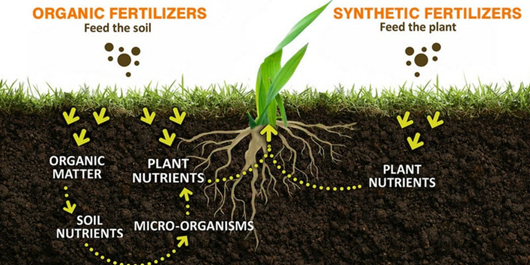
* Cows contribute to agriculture: Besides providing milk, cows are also used in agriculture for plowing fields, generating organic fertilizers, and sustaining rural economies. They are integral to sustainable farming practices.
* Milk supports muscle growth: The protein content in milk aids in muscle development and repair. It is particularly beneficial for individuals engaged in physical activities or athletes looking to enhance their performance.
Pros of using milk and cows:
* Availability and affordability: Milk is widely available and relatively affordable in most parts of the world. Cows can be raised efficiently and provide a reliable source of milk.
* Diverse uses: Milk can be consumed as a beverage, used in cooking, and is a primary ingredient in various dairy products like cheese, yogurt, and butter. This versatility adds to its value.
* Contribution to the economy: The dairy industry, supported by cows, contributes significantly to the global economy. It provides employment opportunities and is a source of income for many farmers and businesses.
* Cultural significance: Milk has cultural and traditional importance in many societies. It is often associated with celebrations, rituals, and family gatherings.
Cons of using milk and cows:
* Lactose intolerance: Some individuals cannot digest lactose, the sugar present in milk, leading to digestive issues like bloating, diarrhea, and stomach cramps. This can limit their ability to consume milk and dairy products.
* Environmental impact: Cows contribute to greenhouse gas emissions, particularly methane, which is a potent greenhouse gas. Large-scale dairy farming can also lead to land degradation, water pollution, and deforestation.
* Animal welfare concerns: In intensive farming systems, cows may be subjected to crowded conditions, limited movement, and practices like dehorning and tail docking. Ensuring proper animal welfare standards is crucial in addressing these concerns.
* Dietary preferences and restrictions: Some individuals choose to follow plant-based diets or have dietary restrictions that exclude milk and dairy products. This limits their consumption options and requires alternative sources for essential nutrients found in milk.
In conclusion, milk and cows have undeniable benefits in terms of nutrition, agriculture, and economy. However, it is important to consider the environmental impact, animal welfare, and individual dietary preferences when assessing their overall use and consumption.
Thank you for taking the time to visit our blog and learn more about milk and cows. We hope that you have found the information provided both interesting and informative. As we conclude this article, we would like to summarize some key points discussed throughout.
Firstly, milk is an incredibly nutritious beverage that provides numerous health benefits. It is a rich source of essential nutrients such as calcium, protein, vitamins, and minerals, which are crucial for maintaining overall health and well-being. Whether consumed on its own or used in various culinary creations, milk can be a valuable addition to a balanced diet.
Secondly, cows play a vital role in milk production. They are remarkable animals that have been domesticated for thousands of years, and their milk has become a staple in many cultures around the world. Dairy cows are specifically bred and raised to produce large quantities of milk, ensuring a steady supply for consumers.
In conclusion, milk and cows are closely interconnected, with cows serving as the primary source of this nutritious beverage. Understanding the importance of milk and the process involved in its production can help us make informed choices about the products we consume. Whether you enjoy a glass of milk with your breakfast or use it to create delicious recipes, it's clear that milk and cows have an undeniable impact on our lives.
We hope that this article has deepened your understanding of milk and cows, and that you will continue to explore this fascinating topic further. Remember to check back regularly for more informative articles on a wide range of subjects. Thank you once again for visiting our blog!.
Here are some common questions that people also ask about milk and cows:
*
Why do cows produce milk?
Cows produce milk to feed their calves. Like humans, they have mammary glands that produce milk when they give birth.
*
How much milk does a cow produce per day?
On average, a dairy cow can produce around 6-7 gallons (22-27 liters) of milk per day.
*
Are all cows used for milk production?
No, not all cows are used for milk production. There are specific breeds called dairy cows that are primarily raised for milk production. Other breeds, such as beef cattle, are raised for meat.
*
Do cows need to be milked every day?
Yes, cows need to be milked regularly. If they are not milked, their udders can become uncomfortable or even painful. Most dairy cows are milked two to three times a day.
*
Is milk from different cow breeds different?
Yes, milk can vary slightly in taste and composition depending on the breed of the cow. For example, some breeds may produce milk with higher fat content, while others may produce milk with more protein.
*
What is pasteurized milk?
Pasteurized milk is milk that has been heated to destroy harmful bacteria and extend its shelf life. This process helps ensure that the milk is safe to consume.
*
Is milk a good source of nutrients?
Yes, milk is considered a good source of various essential nutrients such as calcium, protein, vitamin D, and vitamin B12. It can contribute to the overall nutrition and health of individuals.
*
Can lactose-intolerant people consume milk?
Lactose-intolerant individuals have difficulty digesting lactose, which is the sugar found in milk. However, there are lactose-free milk alternatives available, such as lactose-free cow's milk or plant-based milks like almond milk or soy milk.
*
What are organic and hormone-free milk?
Organic milk comes from cows that have been raised according to specific organic farming standards, which include being fed organic feed and not receiving hormones or antibiotics. Hormone-free milk refers to milk from cows that have not been given artificial growth hormones.
*
How long does milk stay fresh?
The freshness of milk depends on various factors, including storage conditions and the type of milk. In general, pasteurized milk can stay fresh for about a week when refrigerated properly.
http://dlvr.it/SvwP1W