Showing posts sorted by date for query Urban. Sort by relevance Show all posts

Growing Upward: The Rise Of Indoor Farming Technology

Growing Upward: The Rise of Indoor Farming Technology
It is a privilege to walk through the details of the compelling theme of Growing Upward: The Rise of Indoor Farming Technology. We aim to share interesting insights and provide readers with fresh angles.

Video about Growing Upward: The Rise of Indoor Farming Technology

Growing Upward: The Rise of Indoor Farming Technology

Growing Upward: The Rise of Indoor Farming Technology

The future of food production is looking greener – and less reliant on sprawling fields. Indoor farming, a revolutionary approach leveraging cutting-edge technology to cultivate crops in controlled environments, is rapidly gaining traction as a sustainable, efficient, and innovative solution to global food security challenges.

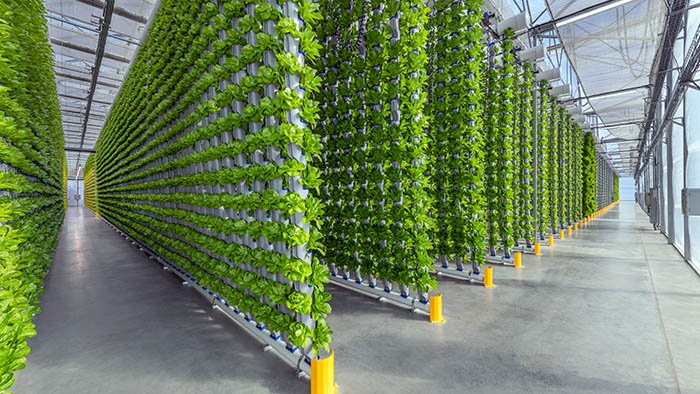
Gone are the days of relying solely on sunlight and traditional agricultural practices. Indoor farms, often housed in repurposed warehouses, shipping containers, or even vertical structures, utilize artificial lighting, precise climate control, and sophisticated nutrient delivery systems to create ideal growing conditions, year-round. This sophisticated interplay of technology and botany allows for vertical stacking of crops, maximizing space and yield, while minimizing environmental impact.

Breaking Down the Technology:

Indoor farming is an umbrella term encompassing various methods, each leveraging distinct technologies:

1. Hydroponics: This widely embraced method involves growing plants in nutrient-rich water solutions instead of soil. By eliminating the need for soil, hydroponics reduces water consumption by up to 90%, minimizes land use, and prevents soil-borne diseases.

2. Aeroponics: Taking hydroponics a step further, aeroponics suspends plant roots in air and mist them with nutrient-rich solutions. This method boasts even greater water efficiency and produces faster growth rates.

3. Aquaponics: This innovative system integrates hydroponics with aquaculture, raising fish alongside plants. The fish waste provides natural fertilizer for the plants, while the plants filter the water for the fish, creating a symbiotic and sustainable cycle.

4. Vertical Farming: Imagine a symphony of stacked layers, each growing a vibrant tapestry of crops. Vertical farms maximize vertical space using techniques like stacked hydroponic or aeroponic systems to cultivate crops in a confined area. This allows for higher yields in smaller spaces, reducing transportation needs and land-use footprint.

5. Controlled Environment Agriculture (CEA): This all-encompassing term refers to any indoor farming system that utilizes advanced technology to control environmental factors like temperature, humidity, light, and CO2 levels.

Illuminating the Way: Artificial Lighting:

Providing the necessary energy for photosynthesis, artificial lighting is a crucial component in indoor farming. LED (Light Emitting Diode) lights have emerged as the preferred choice due to their energy efficiency, longevity, and ability to emit specific wavelengths tailored to different plant needs.

The Power of Precision:

Indoor farms benefit immensely from precise environmental control:

  • Temperature and Humidity: Maintaining optimal temperatures and humidity levels ensures healthy plant growth and prevents diseases. Sensors and automated systems constantly monitor and adjust these conditions, creating an ideal microclimate for each crop.
  • Nutrients: Unlike soil-based cultivation, indoor farming allows for precise nutrient solutions tailored to the specific needs of each plant species. This targeted approach minimizes nutrient runoff, reduces fertilizer waste, and promotes healthy plant development.
  • Water Management: Advanced irrigation systems, such as drip irrigation, deliver water directly to plant roots, minimizing evaporation and water waste. Some systems even utilize rainwater harvesting and graywater recycling for further sustainability.

Pest and Disease Control:

Indoor environments offer natural protection against many soil-borne diseases and pests. However, integrated pest management strategies are still essential. This includes biological controls, such as introducing beneficial insects to prey on pests, and physical barriers, like netting, to prevent contamination.

Why Indoor Farming Matters:

Indoor farming is poised to revolutionize food production by tackling several pressing global challenges:

  • Sustainable Agriculture: By reducing water consumption, minimizing fertilizer use, and eliminating the need for pesticides, indoor farming offers a more environmentally friendly approach to agriculture.
  • Enhanced Food Security: Indoor farms can produce food year-round, regardless of weather conditions, creating more resilient food systems and ensuring access to fresh produce even in remote or resource-limited areas.
  • Reduced Food Miles: Indoor farms can be located closer to urban centers, reducing transportation needs and minimizing the carbon footprint associated with food distribution.
  • Improved Nutritional Value: Controlled environments allow for the optimization of nutrient profiles, potentially leading to higher quality and more nutritious food.

The Future is Blooming:

Closure

We trust this article has been helpful in understanding Growing Upward: The Rise of Indoor Farming Technology. We hope this article has been insightful and beneficial. See you in our next piece!.

Cultivating A Sustainable Future: Achieving Agricultural Goals In An Era Of Change

Cultivating a Sustainable Future: Achieving Agricultural Goals in an Era of Change
With a sharp focus, we critically examine the captivating subject concerning Cultivating a Sustainable Future: Achieving Agricultural Goals in an Era of Change. Let’s dive into essential details and provide readers with new angles.

Video about Cultivating a Sustainable Future: Achieving Agricultural Goals in an Era of Change

Cultivating a Sustainable Future: Achieving Agricultural Goals in an Era of Change

Cultivating a Sustainable Future: Achieving Agricultural Goals in an Era of Change

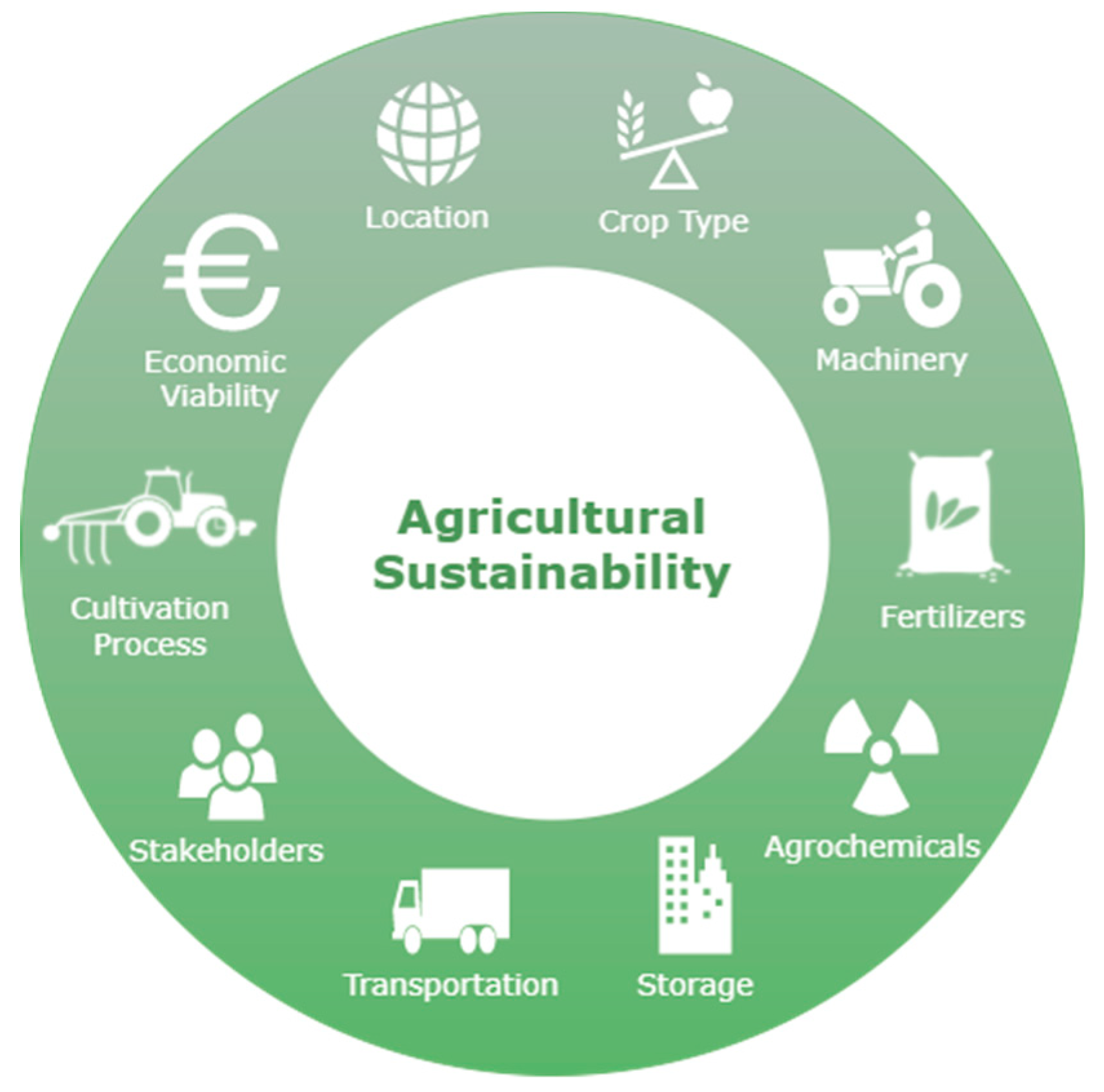
Food security, environmental protection, and economic resilience are three inextricably linked pillars of sustainable farming. Achieving this delicate balance requires a paradigm shift – moving away from resource-intensive, environmentally damaging practices towards regenerative, climate-smart, and socially responsible agricultural systems. This article delves into the key goals of sustainable farming, explores innovative practices that are reshaping the agricultural landscape, and outlines the collective action needed to ensure a food-secure and sustainable future for all.

The Triple Goal Framework: Food Security, Environmental Preservation, and Economic Viability

Sustainable farming strives to achieve a harmonious interplay between three fundamental goals:

1. Food Security: Providing safe, nutritious, and affordable food for a growing global population, while ensuring equitable access for all.

2. Environmental Protection: Minimizing the environmental footprint of agriculture by conserving natural resources (water, soil, biodiversity) and mitigating climate change.

3. Economic Viability: Creating profitable and resilient farming systems that ensure a fair income for farmers and support rural communities.

Navigating the Challenges: Climate Change, Resource Depletion, and Market Volatility

The modern agricultural landscape is confronted by an array of pressing challenges that necessitate a sustainable approach:

  • Climate Change: Rising global temperatures, changing rainfall patterns, and extreme weather events are directly impacting crop yields, livestock production, and overall agricultural resilience.

  • Resource Depletion: Excessive use of fertilizers and pesticides degrades soil quality, pollutes water sources, and depletes vital nutrients. Water scarcity is another growing concern, particularly in arid and semi-arid regions.

  • Market Volatility: Fluctuating food prices, global trade policies, and consumer preferences pose significant economic challenges for farmers, often leading to financial instability and income insecurity.

Innovative Solutions: Embracing Regenerative and Climate-Smart Practices

A growing number of innovative agricultural practices are paving the way towards a more sustainable future:

  • Regenerative Agriculture: This holistic approach focuses on restoring and enhancing the natural ecosystems on which agriculture depends. Practices include cover cropping, no-till farming, crop rotation, and rotational grazing, which improve soil health, sequester carbon, and enhance biodiversity.
  • Precision Agriculture: Leveraging technology such as drones, sensors, and data analytics to optimize resource use, reduce waste, and improve crop yields. Precise irrigation, targeted fertilizer application, and early pest detection are some key applications.
  • Agroforestry: Integrating trees and shrubs into agricultural landscapes, providing multiple benefits such as shade, windbreaks, soil fertility enhancement, and carbon sequestration.
  • Vertical Farming: Cultivating crops in vertically stacked layers using controlled environments, minimizing land use and water consumption. This technology is particularly valuable in urban areas.

The Power of Collaboration: Fostering Collective Action for Systemic Change

Transitioning towards sustainable agriculture requires a comprehensive and collaborative approach involving all stakeholders:

Closure

We hope this article has enhanced your understanding of Cultivating a Sustainable Future: Achieving Agricultural Goals in an Era of Change. We appreciate you reading through this article. See you in the next one!.

Reaching New Heights: Rooftop Farming Innovations Transforming Urban Landscapes

Reaching New Heights: Rooftop Farming Innovations Transforming Urban Landscapes
We are invigorated to explore the depths of the engaging issue related to Reaching New Heights: Rooftop Farming Innovations Transforming Urban Landscapes. Let’s offer new information and provide readers with fresh insights.

Video about Reaching New Heights: Rooftop Farming Innovations Transforming Urban Landscapes

Reaching New Heights: Rooftop Farming Innovations Transforming Urban Landscapes

Reaching New Heights: Rooftop Farming Innovations Transforming Urban Landscapes

As urban populations swell and food security concerns mount, innovative solutions for sustainable agriculture are becoming increasingly vital. Enter rooftop farming, a practice that transforms unused urban spaces into fertile ground, offering a promising path towards localized food production and a greener future.

This article delves into the exciting world of rooftop farming, exploring the latest innovations that are driving its growth and unlocking its full potential to revitalize cities and nourish communities.

The Rise of Urban Agriculture: The story of rooftop farming is inextricably linked to the rapid growth of cities. Urban sprawl, coupled with climate change and increasing demand for fresh produce, has fueled a movement towards vertical farming and other innovative agricultural techniques. Rooftops, long seen as spaces for air circulation and aesthetic appeal, are now recognized as valuable real estate for growing food, offering a multitude of benefits.

Harnessing the Power of Sunlight: One of the most significant advantages of rooftop farming lies in its ability to harness the power of the sun. Whether glazed solariums or open-air platforms, rooftops provide ample sunlight, essential for photosynthesis and optimal crop growth. Smart technologies are further optimizing sun exposure, with adjustable shade structures and solar-powered irrigation systems, ensuring efficient water use and maximized yield.

Innovations in Growing Media and Techniques: Rooftop farming breaks away from traditional soil-based agriculture, embracing innovative growing media and techniques optimized for urban environments.

  • Vertical Farming: Taking advantage of limited space, vertical farming techniques like hydroponics, aquaponics, and aeroponics cultivate crops in stacked layers, often indoors, maximizing space and yield.
  • Lightweight & Durable Materials: Modern rooftop farming utilizes lightweight and durable materials like composite wood, recycled plastics, and lightweight aggregates, minimizing structural strain on buildings while ensuring longevity.
  • Automated Irrigation Systems:Smart irrigation systems, incorporating sensors and weather data, precisely deliver the optimal amount of water to each plant, conserving resources and preventing overwatering.
  • Precision Nutrient Delivery: Hydroponic and aeroponic systems offer precise control over nutrient delivery, ensuring optimal plant health and maximizing yield while minimizing waste.

Climate Control and Greenhouses:

Creating the ideal growing environment for year-round production requires sophisticated climate control systems.

  • Controlled Environment Agriculture (CEA): Utilizing LEDs, ventilation systems, and climate-regulation technology, CEA enables year-round growth of delicate crops that struggle in traditional outdoor settings.
  • Greenhouses with Smart Glazing: Advanced greenhouses with automated shading and heating/cooling systems are being deployed on rooftops, creating microclimates that protect crops from extreme weather conditions.

Beyond Food: Expanding the Role of Rooftop Gardens: While food production remains the primary focus, rooftop farming initiatives are evolving beyond agriculture.

  • Urban Oasis and Biodiversity: Rooftop gardens are increasingly designed to support biodiversity, attracting pollinators and creating urban habitats for various species.

  • Stormwater Management: Green roofs, integrated into rooftop farming systems, act as sponges, absorbing rainwater and reducing runoff, mitigating stormwater flooding and improving urban water management.

  • Energy Efficiency: Heavy vegetation on rooftop gardens can provide insulation, reducing energy consumption for heating and cooling in buildings, contributing to sustainable urban development.

Closure

We hope this article has provided a thorough understanding of Reaching New Heights: Rooftop Farming Innovations Transforming Urban Landscapes. We appreciate your attention to this article. Stay tuned for more articles!.

Climbing Towards Profitability: Unpacking The Vertical Farming Landscape

Climbing Towards Profitability: Unpacking the Vertical Farming Landscape
With a sharp focus, we critically examine the thought-provoking theme surrounding Climbing Towards Profitability: Unpacking the Vertical Farming Landscape. Let’s dive into valuable insights and offer new perspectives.

Video about Climbing Towards Profitability: Unpacking the Vertical Farming Landscape

Climbing Towards Profitability: Unpacking the Vertical Farming Landscape

Climbing Towards Profitability: Unpacking the Vertical Farming Landscape

Vertical farming – cultivating crops in stacked layers, often in controlled environments indoors – is often hailed as the future of agriculture. Its proponents tout benefits like higher yields, year-round production, reduced water usage, and minimal pesticide reliance. But beneath the glossy veneer of this innovative approach lies a complex question: is vertical farming truly profitable?

The answer, as with most things in agriculture, isn’t a simple yes or no. While vertical farming undoubtedly holds immense potential, its financial viability today remains a subject of debate. Understanding the factors driving both profitability and challenges requires a deeper dive into the multifaceted world of vertical farming.

The Promise of Profitability:

Several key factors contribute to the potential profitability of vertical farming:

  • Higher Yields: Vertical farming optimizes space by growing plants in tightly controlled environments, stacked vertically. This allows for up to 10 times more production per square foot compared to traditional farming. Higher yields per unit area translate directly to increased output, ultimately boosting potential profits.
  • Year-Round Production:
    Vertical farms operate independently of external weather conditions, enabled by climate-controlled environments. This allows for consistent production throughout the year, ensuring a steady revenue stream and diminishing dependence on seasonal fluctuations.
  • Reduced Input Costs: Controlled environments minimize pest and disease pressures, reducing the need for pesticides and herbicides. Vertical farms often utilize hydroponics or aeroponics, which require significantly less water than traditional methods. These factors significantly contribute to lower operating costs and increased margins.
  • Shortened Supply Chains:
    Vertical farms can be located near urban centers, reducing transportation distances and associated costs. This allows for faster delivery of fresh produce, minimizing spoilage and extending shelf life. Additionally, shorter supply chains offer greater flexibility for catering to specific consumer demands and local markets.

However, profitability is not guaranteed:

Despite the enticing potential, several challenges pose obstacles to widespread profitability in vertical farming:

  • High Initial Investment Costs: Setting up a vertical farm requires substantial upfront capital for sophisticated equipment, controlled environment systems, lighting, and automation technologies. These high initial costs can be daunting for aspiring entrepreneurs and limit scalability.
  • Energy Consumption: Maintaining optimal growing conditions in controlled environments requires significant energy input for lighting, climate control, and other processes. Energy costs can represent a substantial portion of operational expenses, particularly if reliance on fossil fuels persists.
  • Technological Expertise: Operating a vertical farm necessitates specialized knowledge in areas such as hydroponics, lighting systems, environmental control, and data analysis. Acquiring and retaining skilled personnel can be a challenge and add to labor costs.
  • Competition from Traditional Agriculture: Vertical farming faces stiff competition from well-established traditional farming practices, which often benefit from economies of scale and lower input costs. Price competition for certain produce types can impact the profitability of vertical farms, particularly in the early stages.

Navigating the Path to Profitability:

To overcome these challenges and achieve sustainable profitability, vertical farming ventures need to focus on:

  • Optimization and Efficiency: Continuous improvement in crop yields, resource utilization (water, energy), and operational processes are crucial. Employing advanced sensor technology, data analytics, and AI-driven systems can significantly enhance efficiency and reduce costs.
  • Exploring Diverse Crop Options: Focusing on high-value crops like microgreens, leafy greens, herbs, and specialty produce where market demand is strong and price premiums exist can improve profitability. Diversifying offerings can also mitigate risks associated with reliance on a single crop.
  • Strategic Partnerships and Collaboration:

Collaboration with research institutions, technology providers, and established businesses in the agricultural and retail sectors can foster innovation, access to resources, and wider market reach. Sharing knowledge and expertise is vital for growth and collective success.

    Closure

    Thus, we hope this article has highlighted key aspects of Climbing Towards Profitability: Unpacking the Vertical Farming Landscape. We value your time and attention. Stay tuned for the next one!.

A Field Of Controversy: Analyzing Farm Subsidies In The USA

A Field of Controversy: Analyzing Farm Subsidies in the USA
This exciting moment allows us to explore new dimensions of the engaging matter around A Field of Controversy: Analyzing Farm Subsidies in the USA. We are ready to present fascinating information and offer unique insights.

Video about A Field of Controversy: Analyzing Farm Subsidies in the USA

A Field of Controversy: Analyzing Farm Subsidies in the USA

A Field of Controversy: Analyzing Farm Subsidies in the USA

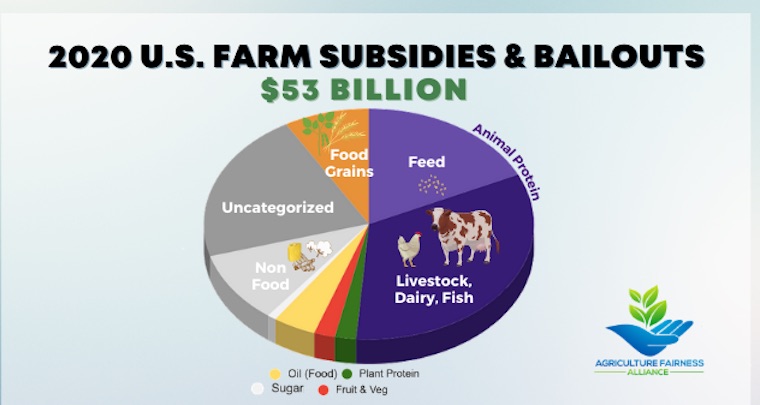
For decades, the American landscape has been shaped by vast fields of corn, soybeans, and cotton, nurtured by a complex web of government support known as farm subsidies. These payments, often controversial, have played a monumental role in shaping agricultural production and the political landscape of rural America. This article delves into the history, mechanics, and consequences of farm subsidies in the USA, exploring their intended benefits and unintended repercussions.

A Historical Perspective:

The roots of American farm subsidies lie in the tumultuous early 20th century, marked by agrarian distress, volatile commodity prices, and the Great Depression. In response to widespread poverty and failing farms, Congress implemented the first significant agricultural legislation, the McNary-Haugen Bill, in 1924. This bill aimed to stabilize crop prices through government-controlled exports, but it ultimately faced legal challenges and was never fully implemented.

World War II and the post-war economic boom spurred further government intervention in agriculture. The Agricultural Adjustment Act (AAA) of 1933, despite initial controversy, ushered in an era of direct payments to farmers based on production levels. This policy aimed to reduce surpluses and artificially inflate prices, impacting the balance of the agricultural economy. Subsequently, numerous subsequent acts and programs have been enacted, each designed to address specific challenges and concerns within the agricultural sector.

The Mechanics of Subsidization:

The modern-day farm subsidy system in the USA is a vast and intricate network, composed of various programs administered by the US Department of Agriculture (USDA). These programs can be broadly categorized as:

  • Direct Payments: These are unconditional cash payments to farmers based on historical production levels. This system, though criticized for rewarding inefficiency, provides a guaranteed income stream for many farmers.
  • Crop Insurance: Subsided crop insurance programs aim to protect farmers from financial losses due to natural disasters, price fluctuations, and market risks. This safety net encourages farmers to take risks on higher-yielding crops and manage production risks more effectively.
  • Commodity Loans: The USDA offers loans to farmers at low interest rates, allowing them to store crops and sell them when prices rise. This system stabilizes farm income and helps manage surplus supplies.
  • Marketing Loans: Farmers can secure loans based on the value of their stored crops. This provides them with immediate cash flow and the flexibility to release their crops into the market when prices are favorable.

Debates and Controversies:

While farm subsidies have undeniably stabilized food supply chains and supported the livelihoods of numerous farmers, their existence has sparked endless debate and controversy.

Arguments in Favor:

Proponents of farm subsidies argue that they are essential for:

  • Food Security: Subsidies ensure a reliable and affordable food supply for the American population. Without government support, farm production could be vulnerable to market fluctuations, leading to food insecurity.
  • Rural Economic Development: Farm subsidies represent a vital lifeline for rural communities, supporting local businesses, maintaining population stability, and preventing rural decline.
  • Environmental Protection: Certain subsidy programs encourage environmentally friendly farming practices, such as conservation tillage and water conservation, contributing to sustainable agriculture.

Arguments Against:

Opponents of farm subsidies contend that they:

  • Distort Market Mechanisms: Subsidies artificially inflate crop prices, leading to market distortions and inefficiency. They hinder the growth of smaller farms and create an uneven playing field that favors large, agribusiness operations.
  • Lead to Overproduction: Subsidies encourage overproduction of certain crops, resulting in surplus supplies that contribute to environmental problems like soil degradation and water pollution. They also lead to lower prices for farmers, exacerbating the problem for smaller farms seeking to compete.
  • Benefit Wealthy Landowners: A disproportionate share of subsidies goes to large landholders and agribusiness corporations, exacerbating the growing wealth gap between rural and urban communities.

The Future of Farm Subsidies:

Closure

We hope this article has shed light on important aspects of A Field of Controversy: Analyzing Farm Subsidies in the USA. Thank you for reading our article. See you in our next article!.

Ditch The Drought: Embracing Smart Irrigation Systems For A Greener Future

Ditch the Drought: Embracing Smart Irrigation Systems for a Greener Future
We are invigorated to explore the depths of the exciting topic related to Ditch the Drought: Embracing Smart Irrigation Systems for a Greener Future. Let’s craft thoughtful insights and offer fresh perspectives.

Video about Ditch the Drought: Embracing Smart Irrigation Systems for a Greener Future

Ditch the Drought: Embracing Smart Irrigation Systems for a Greener Future

Ditch the Drought: Embracing Smart Irrigation Systems for a Greener Future

Water is life. It’s a simple truth that resonates across every corner of our planet. Yet, with growing populations and the looming threat of climate change, reliable access to clean water is becoming increasingly precarious. This is especially true in the domain of agriculture, where water scarcity poses a significant challenge to food security.

In this context, smart irrigation systems have emerged as a beacon of hope, offering a technologically advanced solution to optimize water usage and promote sustainable agriculture. These intelligent systems go beyond traditional, often wasteful, watering practices by utilizing data, sensors, and automation to deliver water precisely where and when it’s needed most.

Understanding the Landscape: Traditional vs. Smart Irrigation

Traditional irrigation methods, often relying on fixed schedules and generalized estimates, frequently result in overwatering or underwatering, leading to inefficiencies and wasted water. Factors like soil type, weather conditions, plant needs, and even neighboring structures can influence water requirements, making a one-size-fits-all approach unsustainable.

Smart irrigation systems disrupt this paradigm by leveraging a suite of technologies to deliver water with pinpoint accuracy. They incorporate:

  • Soil moisture sensors: These strategically placed sensors measure the water content in the soil, providing real-time feedback on the plant’s immediate needs.
  • Weather stations: These stations collect data on rainfall, temperature, humidity, and wind speed, allowing the system to adjust watering schedules based on current and forecasted conditions.
  • Evapotranspiration (ET) calculations: This sophisticated technology estimates the amount of water plants lose through transpiration (evaporation from leaves) and evaporation from the soil surface.

Armed with this data, smart irrigation controllers can dynamically adjust watering schedules, duration, and intensity, ensuring each plant receives the optimal amount of water while minimizing waste.

The Benefits of a Smarter Approach: Boosting Efficiency and Sustainability

The advantages of embracing smart irrigation systems are multifaceted, impacting both the environment and the bottom line:

  • Water Conservation: Smart irrigation significantly reduces water consumption by eliminating unnecessary watering. This is especially crucial in arid and semi-arid regions facing water stress.
  • Increased Crop Yields: Healthy plants thrive with consistent, appropriate watering. By delivering water precisely when needed, smart systems optimize plant growth and ultimately boost crop yields.
  • Reduced Fertilizer Runoff: Overwatering can lead to excessive fertilizer leaching into waterways, polluting water sources and harming ecosystems. Smart irrigation minimizes this risk by delivering water efficiently, reducing nutrient runoff.
  • Energy Savings: Traditional irrigation systems often rely on pumps that consume significant energy. Smart systems, by adjusting watering cycles, can minimize pump run time, leading to substantial energy savings.
  • Cost Reduction: While the initial investment in a smart irrigation system may seem higher compared to traditional methods, the long-term cost savings in water, energy, and fertilizer expenses contribute to a significant return on investment.
  • Remote Monitoring and Control: Many smart irrigation systems offer remote access via smartphone apps or web platforms, allowing users to monitor water usage, adjust settings, and receive alerts from anywhere.

Smart Irrigation: Beyond Agriculture

The benefits of smart irrigation extend far beyond farmlands. Urban landscapes, golf courses, parks, and even residential lawns can all benefit from the precision and efficiency of these systems. By implementing smart irrigation in urban areas, communities can significantly reduce their water footprint while maintaining healthy and vibrant green spaces.

Looking Ahead: Future Trends in Smart Irrigation

The field of smart irrigation is constantly evolving, with ongoing advancements pushing the boundaries of efficiency and innovation.

  • Artificial Intelligence (AI): AI-powered algorithms are being integrated into smart irrigation systems, enabling even more precise water management based on complex data analysis, real-time weather forecasts, and historical irrigation patterns.
  • Internet of Things (IoT): The interconnected nature of the IoT allows smart irrigation systems to communicate with other devices and platforms, such as weather services, soil sensors, and even drones, creating a comprehensive ecosystem for optimized water management.
  • Precision Nutrient Delivery: Smart irrigation systems are increasingly being equipped with the ability to deliver fertilizers and other nutrients directly to plant roots, further minimizing waste and maximizing resource utilization.
  • Closure

    We trust this article has been helpful in understanding Ditch the Drought: Embracing Smart Irrigation Systems for a Greener Future. Thank you for giving this article your time. See you in our next piece!.

Cultivating The Future: A Closer Look At Farming Workshops Across The USA

Cultivating the Future: A Closer Look at Farming Workshops Across the USA
We are captivated as we dig deeper into the interesting discussion around Cultivating the Future: A Closer Look at Farming Workshops Across the USA. We will present thoughtful information and give the readers a fresh perspective.

Video about Cultivating the Future: A Closer Look at Farming Workshops Across the USA

Cultivating the Future: A Closer Look at Farming Workshops Across the USA

Cultivating the Future: A Closer Look at Farming Workshops Across the USA

The United States, with its vast agricultural landscape, is witnessing a revitalization of interest in farming. From seasoned producers seeking new techniques to urban dwellers dreaming of self-sufficiency, a growing number of individuals are turning to workshops to gain valuable knowledge and skills. These immersive learning experiences offer a hands-on approach, bridging the gap between theoretical knowledge and practical application.

Farming workshops encompass a wide range of disciplines, catering to diverse interests and skill levels. Whether it’s the art of organic vegetable gardening, the intricacies of raising livestock, or mastering permaculture principles, there’s a workshop to suit every aspiring farmer.

Types of Farming Workshops:

  • Gardening Workshops: These workshops delve into the basics of soil health, seed selection, planting techniques, pest control, and harvesting. Topics often include organic gardening, raised bed construction, composting, and identifying and managing common garden pests.
  • Livestock Workshops: From raising chickens and goats to beekeeping and sheep farming, livestock workshops provide comprehensive guidance on selecting appropriate breeds, constructing housing, feeding, health management, and marketing products.
  • Permaculture Workshops: Focusing on sustainable and holistic land management techniques, permaculture workshops explore principles like soil fertility, water conservation, biodiversity, and creating self-sustaining ecosystems. Participants learn how to design and implement permaculture systems for food production, energy efficiency, and ecological balance.
  • Small-scale Farming Workshops: These workshops equip individuals with the knowledge and skills to start and manage small-scale farms effectively. They cover topics like crop planning, business planning, marketing strategies, farm finance, and resource management.

Benefits of Attending Farming Workshops:

  • Gain Practical Knowledge: Workshops offer a unique opportunity to learn by doing, engaging in hands-on activities and receiving direct instruction from experienced farmers and experts.
  • Network with Fellow Learners: Workshops create a space for farmers, aspiring farmers, and enthusiasts to connect, share experiences, and build a supportive community.
  • Access Specialized Expertise: Workshops often feature experts in specific fields who provide in-depth knowledge and guidance on niche topics.
  • Stay Up-to-Date: Workshops help participants stay informed about the latest trends, technologies, and best practices in farming.

Finding Farming Workshops in the USA:

  • Local Agricultural Extension Offices: These state-run offices offer a wealth of resources, including workshops and educational programs, tailored to the specific needs of local farmers.
  • Colleges and Universities: Many agricultural colleges and universities host workshops and short courses on various farming topics.
  • Farming Organizations: National and regional farming organizations, such as the Farm Bureau or the Rodale Institute, often organize workshops and conferences for their members and the public.
  • Online Platforms: Several online platforms aggregate information about farming workshops across the country.

Tips for Choosing a Farming Workshop:

  • Define Your Goals: Be clear about the skills and knowledge you want to acquire.
  • Research Instructors: Look for workshops led by experienced farmers or experts with relevant credentials.
  • Read Reviews: Check online reviews and testimonials from past participants.
  • Consider Location and Logistics: Ensure the workshop location is accessible and the program schedule aligns with your availability.
  • Closure

    We hope this article has provided useful information on Cultivating the Future: A Closer Look at Farming Workshops Across the USA. We appreciate your focus and attention. Catch you in the next one!.

The Rise Of The Local Farm: Cultivating Community And Sustainability In The USA

The Rise of the Local Farm: Cultivating Community and Sustainability in the USA
With an inquisitive mindset, we dive into the exciting subject of The Rise of the Local Farm: Cultivating Community and Sustainability in the USA. Our mission is to provide fascinating information and present a fresh point of view.

Video about The Rise of the Local Farm: Cultivating Community and Sustainability in the USA

The Rise of the Local Farm: Cultivating Community and Sustainability in the USA

The Rise of the Local Farm: Cultivating Community and Sustainability in the USA

Across the vast expanse of the United States, a quiet revolution is taking root. It’s a movement rooted in soil, nourished by community, and fueled by a growing desire for sustainable living. This is the story of local farming initiatives, a blossoming network of farmers markets, community gardens, and farm-to-table restaurants, reshaping the agricultural landscape and nourishing communities from sea to shining sea.

From Field to Family Table: The Growing Appeal of Local Food

The surge in popularity of local food isn’t solely driven by a romanticized picture of rural life. It’s a response to a multifaceted need for change. Consumers are increasingly conscious of the environmental impact of industrial agriculture, with its reliance on fossil fuels, heavy pesticide use, and long-distance transportation. They yearn for fresh, flavorful produce, knowing exactly where it came from and how it was grown. Locally-sourced food often boasts a superior taste, riper at harvest and less time spent in transit, which translates to greater nutritional value.

Furthermore, local farms provide a vital economic boost to communities. Money spent at farmers markets and farm stands stays within the local economy, supporting farmers, artisans, and ancillary businesses. This creates jobs, strengthens community ties, and fosters a sense of self-reliance.

Transforming Landscape: Diverse Approaches to Local Farming

The tapestry of local farming initiatives is woven with diverse threads, each contributing to the vibrant whole.

  • Farmers Markets: A vibrant heartbeat of many towns and cities, farmers markets showcase the bounty of local farms, offering a direct connection between producer and consumer. From bustling Saturday morning markets to smaller, community-driven events, these spaces foster a sense of camaraderie and showcase the diversity of local produce.

  • Community Supported Agriculture (CSA): This model builds vibrant relationships between farmers and consumers. With a CSA subscription, individuals or families receive a regular share of the farm’s harvest throughout the growing season. It provides farmers with upfront capital and guarantees a market for their produce, while subscribers enjoy fresh, seasonal food and a deeper connection to their food sources.

  • Urban Farming: Urban green spaces are undergoing a transformation, becoming fertile grounds for urban farms and community gardens. Rooted in dense city environments, these initiatives tackle food insecurity, promote access to fresh produce, and create green oases amidst concrete jungles.

  • Farm-to-Table Restaurants: Elevating the culinary experience, farm-to-table restaurants prioritize sourcing ingredients directly from local farms. This emphasis on fresh, seasonal produce creates dishes bursting with flavor while supporting local farmers and fostering a sustainable food system.

  • Agritourism: Connecting consumers with the farm experience, agritourism ventures offer a glimpse into the world of agriculture. From pumpkin patches to farm tours to picking-your-own berries, these initiatives provide educational opportunities and strengthen the relationship between consumers and their food sources.

Overcoming Challenges: Building a Sustainable Future for Local Farming

While the movement towards local farming is gaining momentum, several challenges remain.

  • Land Access: Securing affordable land for farming, particularly in urban and suburban areas, is a significant obstacle. Innovative solutions like community land trusts and urban farming initiatives are tackling this challenge, reclaiming underutilized spaces for agricultural purposes.

  • Closure

    We hope this article has shed some light on The Rise of the Local Farm: Cultivating Community and Sustainability in the USA. We appreciate your time in reading this article. See you in the next article!.

Growing Green At Home: Your Guide To Hydroponic Farming

Growing Green at Home: Your Guide to Hydroponic Farming
It is with great interest that we analyze the interesting theme surrounding Growing Green at Home: Your Guide to Hydroponic Farming. Let’s share key insights and offer new perspectives for the readers.

Video about Growing Green at Home: Your Guide to Hydroponic Farming

Growing Green at Home: Your Guide to Hydroponic Farming

Growing Green at Home: Your Guide to Hydroponic Farming

Imagine a lush, verdant garden flourishing indoors, regardless of the external weather or your yard space. This isn’t a scene from a fantasy novel, but the reality of hydroponic farming – a revolutionary method of growing plants without soil. With its potential for year-round production, water conservation, and delicious, pesticide-free produce, hydroponics is gaining popularity amongst home gardeners and urban dwellers alike.

This comprehensive guide will delve into the world of hydroponic farming, empowering you to cultivate your own indoor oasis.

Understanding Hydroponics

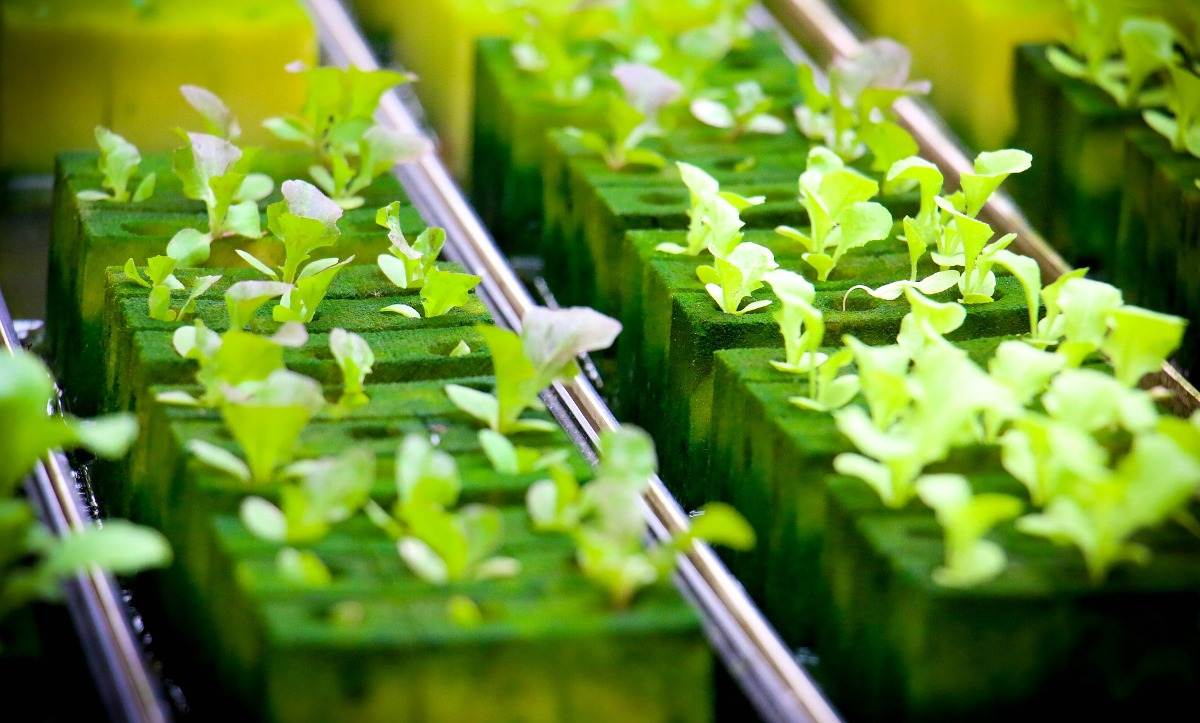
Hydroponics is a soil-less gardening technique where plants are grown in a nutrient-rich water solution. Instead of relying on the natural elements found in soil, plants absorb essential nutrients directly from the water, allowing for faster growth rates and larger yields.

The Advantages of Hydroponic Farming at Home

1. Space-Saving Solution: Hydroponic systems can be tailored to fit any indoor space, be it a sunny windowsill, a dedicated room, or even a vertical wall. This makes it an ideal option for homes with limited outdoor areas.

2. Year-Round Gardening: Say goodbye to seasonal limitations. With hydroponics, you can cultivate fresh produce year-round, regardless of the weather outside.

3. Water Conservation: Hydroponic systems utilize water efficiently. Water is recirculated and reused, minimizing wastage and contributing to water conservation efforts.

4. Faster Growth Rates: Plants grown hydroponically tend to grow faster and produce larger yields compared to traditional soil-based gardening.

5. Reduced Pestilence and Disease: The controlled environment of hydroponics minimizes the risk of soil-borne pests and diseases, reducing the need for chemical pesticides.

6. Enhanced Nutritional Value: Some studies suggest that hydroponically grown produce may have higher levels of certain nutrients compared to soil-grown crops.

7. Control Over Growing Conditions: Hydroponics offers precise control over nutrient levels, pH, temperature, and humidity, allowing for optimal plant growth.

Types of Hydroponic Systems

There are several hydroponic systems to choose from, each with its own unique features and benefits.

1. Deep Water Culture (DWC): This simple system involves submerging plant roots in a nutrient-rich solution. An air pump continuously aerates the solution, providing oxygen to the roots.

2. Nutrient Film Technique (NFT): In NFT systems, a thin film of nutrient solution flows continuously over the plant roots, providing a steady supply of nutrients.

3. Drip System: Drip systems deliver nutrient solution directly to the plant roots through a network of tubes and emitters. This method is highly efficient and allows for precise watering.

4. Wick System: A passive system where a wick draws nutrient solution from a reservoir up to the plant roots. It’s a beginner-friendly option that requires minimal maintenance.

5. Aeroponics: Plants are suspended in the air, with their roots periodically sprayed with a nutrient mist. This system promotes excellent root aeration and rapid growth.

Essential Components of a Home Hydroponic System

1. Grow Lights: Since most hydroponic setups are indoors, artificial lighting is essential to provide plants with the necessary light energy for photosynthesis. LED grow lights are a popular choice due to their energy efficiency and long lifespan.

2. Nutrient Solution: A carefully formulated mixture of essential nutrients, including nitrogen, phosphorus, potassium, and micronutrients, is crucial for plant growth and development.

3. Water Pump: A small water pump is necessary to circulate the nutrient solution in systems like DWC and NFT.

4. Air Pump and Stones: An air pump with air stones is used to oxygenate the nutrient solution in systems where roots are submerged, promoting healthy root growth.

5. Reservoir: A container to hold the nutrient solution, typically made of plastic or stainless steel.

6. Growing Medium (optional): While not strictly necessary in some hydroponic methods, a growing medium like perlite, coco coir, or rockwool can provide support for plants and improve nutrient retention.

Setting Up Your Hydroponic System

1. Choose Your System: Based on your space, budget, and gardening experience, select a hydroponic system that best suits your needs.

2. Gather Your Materials: Acquire all the necessary components, including grow lights, nutrient solution, pumps, and a reservoir.

Closure

We hope this article has provided a clearer view on Growing Green at Home: Your Guide to Hydroponic Farming. We greatly appreciate your attention to our work. See you again in our upcoming article!.

From Concrete Jungle To Green Oasis: Success Stories Of Urban Farming

From Concrete Jungle to Green Oasis: Success Stories of Urban Farming
On this day, we set forth to learn more about the exciting subject of From Concrete Jungle to Green Oasis: Success Stories of Urban Farming. We are ready to share meaningful information and offer unique viewpoints.

Video about From Concrete Jungle to Green Oasis: Success Stories of Urban Farming

From Concrete Jungle to Green Oasis: Success Stories of Urban Farming

From Concrete Jungle to Green Oasis: Success Stories of Urban Farming

The concrete jungle is transforming, with pockets of green springing up where asphalt and steel once dominated. Urban farming, a movement that cultivates food in cities, is flourishing, offering a wealth of benefits for individuals, communities, and the environment. As sustainability concerns grow and food insecurity becomes increasingly prevalent, urban farming emerges as a promising solution, fueled by innovation, community spirit, and a growing demand for local, fresh produce.

The Rise of the Urban Gardener:
The reasons behind the urban farming boom are multifaceted.

1. Food Access and Security: Many cities grapple with "food deserts," areas lacking access to affordable, healthy food. Urban farming tackles this issue by bringing fresh produce directly to communities, reducing reliance on long, often carbon-intensive, supply chains.

2. Environmental Benefits: Urban farms mitigate the ecological footprint of food production. They reduce transportation emissions, contribute to green infrastructure by absorbing CO2, managing stormwater runoff, and promoting biodiversity.

3. Community Building: Urban farms often function as community hubs, fostering social connections, promoting education, and empowering residents. They offer opportunities for shared learning, volunteerism, and collective action.

4. Economic Opportunity: Urban farming can stimulate local economies by creating jobs in agriculture, food processing, and distribution. Moreover, it supports small-scale entrepreneurship and strengthens local food systems.

Success Stories Across the Globe:

Numerous urban farming initiatives have emerged worldwide, demonstrating the viability and impact of bringing agriculture to the city.

1. Detroit, USA: Growing a Green Legacy:
Detroit, once known for its industrial decline, is experiencing a renaissance through urban agriculture. Organizations like the Detroit Urban Farming Initiative have transformed vacant lots into thriving community gardens, providing fresh food, job training, and educational programs.

2. Singapore: Vertical Farming Pioneers: Facing land scarcity, Singapore pioneered vertical farming, an innovative technique that utilizes stacked layers to cultivate crops in controlled environments. Companies like Sky Greens and Sustenir Agriculture are producing a wide range of leafy greens, herbs, and fruit year-round, demonstrating the potential of vertical farming to overcome geographical limitations.

3. Rio de Janeiro, Brazil: Bringing Food to the Favela:
In Rio de Janeiro’s favelas, where access to healthy food is often limited, projects like the Amaro Soteldo Community Farm have empowered residents to cultivate their own food. Through collective gardening, residents gain access to fresh produce, build community resilience, and develop valuable skills.

4. London, UK: "Growing Underground" Takes Root:
In the basement of a former railway depot, Growing Underground cultivates salads and herbs in a state-of-the-art vertical farm. Light is provided by LED panels, and the farm uses up to 95 percent less water than traditional agriculture. This innovative approach highlights the potential for urban farming to thrive even in densely populated cities.

5. Paris, France: Rooftop Green Hubs: Paris is incorporating urban agriculture into its urban fabric. Rooftop gardens like the "City Farm" in the 13th arrondissement provide space for growing vegetables, flowers, and fruits while offering educational workshops and community events.

Overcoming Challenges:

While urban farming offers numerous benefits, it also faces significant challenges.

1. Limited Space: Finding suitable space for urban farms is a recurring hurdle. Many cities have limited vacant land. Innovative solutions include utilizing rooftops, vertical farming structures, and repurposed industrial spaces.

2. Soil Contamination: Urban soil can be contaminated with pollutants and heavy metals, making it unsuitable for growing food. Solutions include employing raised beds, using hydroponics or aquaponics systems, and implementing soil remediation techniques.

3. Funding and Resources: Urban farming projects often require initial financial investment and ongoing maintenance. Obtaining funding, accessing resources, and securing reliable water supplies can be challenging.

4. Legal and Regulatory Barriers: Zoning regulations and building codes in some cities may not accommodate urban farming practices. Advocacy and policy changes are needed to create a supportive legal framework for urban agriculture.

Cultivating a Sustainable Future:

Despite these challenges, the success stories of urban farming inspire hope for a more sustainable future. Urban farms are not simply about growing food; they are about building resilient communities, creating green spaces, and reconnecting people with nature.

As the demand for local, sustainable food continues to grow, urban farming will undoubtedly play an increasingly important role in feeding cities and transforming our urban landscapes. By embracing innovation, collaboration, and a commitment to social justice, we can cultivate a future where cities are not only centers of commerce and culture but also vibrant ecosystems that nourish both people and planet.

Closure

We trust this article has enriched your knowledge about From Concrete Jungle to Green Oasis: Success Stories of Urban Farming. We are thankful for your interest in our content. Until the next article!.

Growing Greens In Grey Spaces: A Look At Innovative Urban Farming Ideas

Growing Greens in Grey Spaces: A Look at Innovative Urban Farming Ideas
We are overjoyed to immerse ourselves in the captivating topic related to Growing Greens in Grey Spaces: A Look at Innovative Urban Farming Ideas. Let’s share thoughtful ideas and provide new outlooks for the readers.

Video about Growing Greens in Grey Spaces: A Look at Innovative Urban Farming Ideas

Growing Greens in Grey Spaces: A Look at Innovative Urban Farming Ideas

Growing Greens in Grey Spaces: A Look at Innovative Urban Farming Ideas

Modern cities, teeming with concrete and steel, often seem worlds away from rolling fields and bountiful harvests. Yet, amidst the urban sprawl, a green revolution is quietly taking root. Urban farming, the practice of cultivating, processing, and distributing food in and around cities, is blossoming into a powerful force, nourishing both communities and the environment. This resurgence of agricultural practice within urban landscapes offers a plethora of innovative solutions to address food security, promote sustainability, and revitalize urban spaces.

From Rooftop Gardens to Vertical Farms:

Urban farmers are increasingly turning to unconventional spaces to cultivate their crops. Rooftops, balconies, and even vacant lots are being transformed into vibrant gardens, transforming urban deserts into pockets of green.

  • Rooftop Farming: Leafy greens, herbs, and even fruits like strawberries thrive in rooftop gardens, utilizing otherwise unused space. These gardens not only provide fresh produce but also act as natural insulators, reducing energy consumption within buildings.

  • Vertical Farming: This innovative technique utilizes vertical space to maximize yield. Plants are grown in stacked layers, with controlled environments offering optimal lighting, temperature, and humidity. Vertical farms are particularly suited for urban areas, as they require minimal land and can be integrated into existing structures.

  • Container Gardening: Tomatoes, peppers, and even small trees can flourish in containers, making it an accessible option for residents with limited outdoor space.

Community Gardens: Seeds of Collaboration:

Community gardens stand as testaments to the power of shared resources and collective effort. These urban green spaces bring people together, fostering a sense of community and providing access to fresh produce for residents of all backgrounds.

  • Public Park Plots: Many cities allocate specific areas within public parks for community gardens. These shared spaces offer residents a place to connect, learn about gardening, and cultivate their own food.
  • Urban Farms and Community Hubs: Organizations are establishing urban farms that function as hubs for learning, food sharing, and community building. These farms often offer workshops, volunteer opportunities, and affordable produce through farmers markets or CSA (Community Supported Agriculture) programs.

Aquaponics: Fish and Food in Harmony:

Aquaponics, a sustainable system that combines aquaculture (fish farming) with hydroponics (growing plants in water), is gaining traction in urban settings. Fish waste provides nutrients for the plants, which in turn purify the water for the fish, creating a symbiotic relationship.

  • Urban Aquaponics Systems: Small-scale aquaponics systems can be set up in homes, schools, or community centers, offering a unique and eco-friendly way to produce both fish and vegetables.

Technology-Driven Urban Farming:

Technology is playing an increasingly important role in revolutionizing urban agriculture. From automated irrigation systems to sensor-based monitoring, technology is helping farmers optimize yields, conserve resources, and manage their operations efficiently.

  • Smart Irrigation Systems: These systems utilize sensors and data analysis to deliver precise amounts of water to plants, reducing waste and promoting efficient water usage.
  • Closure

    Thus, we hope this article has been informative about Growing Greens in Grey Spaces: A Look at Innovative Urban Farming Ideas. We appreciate your attention and interest. Stay tuned for more!.

Field Of Dreams: The Future Of Farming Technology

Field of Dreams: The Future of Farming Technology
We are keen to take a closer look at the captivating subject concerning Field of Dreams: The Future of Farming Technology. Let’s dive into essential details and provide readers with new angles.

Video about Field of Dreams: The Future of Farming Technology

Field of Dreams: The Future of Farming Technology

Field of Dreams: The Future of Farming Technology

The world’s population is projected to reach nearly 10 billion by 2050, demanding a monumental increase in food production. To meet this challenge, farmers must embrace innovative technologies that boost efficiency, sustainability, and resilience. The future of farming is not just about increasing yield; it’s about cultivating a food system that nourishes people and planet alike.

Precision Agriculture: Farming with Data

Data is revolutionizing agriculture, driving the rise of precision farming. Equipped with sensors, drones, and GPS-guided machinery, farmers can gather real-time insights into soil health, plant growth, water usage, and pest infestations. This data-driven approach allows for:

  • Variable Rate Application: Applying fertilizers, pesticides, and irrigation precisely where and when needed, minimizing waste and environmental impact.
  • Optimized Nutrient Management: Tailoring fertilization strategies to individual plant needs, maximizing nutrient uptake and reducing runoff.
  • Early Disease Detection: Identifying signs of disease or pest pressure early on, allowing for timely intervention and preventing widespread damage.
  • Yield Forecasting: Accurately predicting crop yields based on environmental and plant factors, helping farmers make informed decisions about harvesting and marketing.

Robotic Revolution: Automating Fields

Robots are stepping onto the farm, performing tasks from planting and weeding to harvesting and sorting. This automation offers numerous benefits:

  • Reduced Labor Costs: Addressing labor shortages by automating repetitive and physically demanding tasks.
  • Increased Efficiency: Working tirelessly day and night, robots accelerate field operations and optimize resource allocation.
  • Improved Accuracy: Robots can perform tasks with greater precision than human workers, minimizing errors and maximizing yields.
  • Enhanced Safety: Reducing the risk of human injury associated with hazardous tasks like pesticide application or operating heavy machinery.

Vertical Farming: Growing Upwards

Addressing land scarcity and urban food security, vertical farms are cultivating crops in stacked layers indoors. This innovative approach harnesses technologies like:

  • LED Lighting: Providing plants with precise light spectrums for optimal growth.
  • Hydroponics and Aeroponics: Growing plants in nutrient-rich water solutions without soil, minimizing water usage and preventing nutrient leaching.
  • Climate Control: Regulating temperature, humidity, and airflow to create ideal growing conditions year-round.

Gene Editing: Harnessing Genetic Potential

CRISPR-Cas9 gene editing technology is revolutionizing crop improvement by allowing scientists to precisely modify plant genes. This powerful tool holds immense potential for:

  • Enhanced Yield and Nutrition: Creating crops with increased resistance to disease, pests, and climate stressors, while boosting nutritional value.
  • Sustainable Farming: Developing crops that require fewer resources, such as water, fertilizer, and pesticides, reducing environmental impact.
  • Closure

    We trust this article has brought valuable information about Field of Dreams: The Future of Farming Technology. We hope this article has been beneficial to you. Catch you in our next article!.

A Future Grown Upwards: Exploring The Potential Of Vertical Farming

A Future Grown Upwards: Exploring the Potential of Vertical Farming
Today, we take the time to reflect upon the exciting subject of A Future Grown Upwards: Exploring the Potential of Vertical Farming. Our mission is to provide fascinating information and present a fresh point of view.

Video about A Future Grown Upwards: Exploring the Potential of Vertical Farming

A Future Grown Upwards: Exploring the Potential of Vertical Farming

A Future Grown Upwards: Exploring the Potential of Vertical Farming

The global population is projected to reach 9.7 billion by 2050, demanding a significant increase in food production. Traditional agriculture faces challenges in meeting this demand, including land scarcity, water stress, and environmental degradation. In response, vertical farming – a revolutionary approach to cultivation – is emerging as a promising solution for a sustainable food future. This innovative method involves growing crops in vertically stacked layers, typically within controlled indoor environments.

This article delves into the intricacies of vertical farming systems, examining their advantages, disadvantages, and the potential they hold for transforming the agriculture landscape.

The Anatomy of a Vertical Farm

Imagine a towering structure, not filled with office spaces but with rows of neatly arranged plants flourishing under artificial light. This is the essence of vertical farming. Unlike conventional agriculture, where crops are grown horizontally on extensive land plots, vertical farms optimize space by cultivating plants in a multitude of stacked layers.

Vertical farms employ a variety of growing mediums, including hydroponics, aeroponics, and aquaponics.

  • Hydroponics involves growing plants in nutrient-rich water solutions, eliminating the need for soil.
  • Aeroponics suspends plants in the air, spraying them directly with nutrient mist. This method boasts higher growth rates and water efficiency.
  • Aquaponics integrates fish farming with plant cultivation, utilizing the nutrient-laden wastewater from fish tanks as fertilizer for the plants. This symbiotic system promotes a closed-loop, sustainable environment.

Illuminating Growth: The Role of Artificial Light

Since vertical farms operate indoors, artificial lighting is crucial for simulating natural sunlight and driving photosynthesis. High-Intensity Discharge (HID) lamps, Light Emitting Diodes (LEDs), and fluorescent lights are commonly used, each with varying energy efficiencies and spectral outputs optimized for different plant species.

Climate Control: The Indoor Environment

Vertical farms maintain a meticulously controlled environment to ensure optimal growing conditions. Sophisticated climate control systems regulate temperature, humidity, air circulation, and CO2 levels. This allows farmers to cultivate crops year-round, irrespective of external weather conditions, and minimize the risk of pests and diseases.

Vertical Farming: A Boon for Sustainability

Vertical farming offers a compelling solution to several pressing agricultural challenges:

  • Land Use Efficiency: By growing upwards instead of outwards, vertical farms significantly reduce land requirements. This is particularly crucial in densely populated urban areas where farmland is scarce.

  • Water Conservation: Most vertical farming methods employ closed-loop systems, recirculating and reusing water. This drastically reduces irrigation needs compared to traditional agriculture.

  • Reduced Pesticide Use: The controlled indoor environment minimizes the risk of pest infestations, reducing the reliance on chemical pesticides and promoting healthier produce.

  • Freshness and Quality: By eliminating transportation distance, vertical farms deliver fresh, high-quality produce directly to consumers, minimizing spoilage and preserving nutritional value.

  • Closure

    We hope this article has successfully illuminated key points regarding A Future Grown Upwards: Exploring the Potential of Vertical Farming. We hope this information has been of value to you. Look out for our next article!.

In Harmony With The Land: A Glimpse Into The Rural Farming Life

In Harmony with the Land: A Glimpse into the Rural Farming Life
In the spirit of discovery, we shall examine the absorbing discussion on In Harmony with the Land: A Glimpse into the Rural Farming Life. Let’s gather and share meaningful details and offer the readers a fresh perspective.

Video about In Harmony with the Land: A Glimpse into the Rural Farming Life

In Harmony with the Land: A Glimpse into the Rural Farming Life

In Harmony with the Land: A Glimpse into the Rural Farming Life

The sun rises over rolling hills, painting the sky in vibrant hues of orange and pink. A rooster crows, announcing the start of a new day in the heart of rural America. It’s a life steeped in tradition, where the rhythm of the seasons dictates the pace and the bounty of the land is the primary source of livelihood. This is the world of the rural farmer, a world that, despite its challenges, offers a unique sense of connection to nature and a deep-rooted sense of purpose.

Far removed from the hustle and bustle of urban life, the rural landscape offers a panorama of wide-open spaces, dotted with weathered barns, quaint farmhouses, and winding dirt roads. It’s a life of simplicity and hard work, where every day brings new tasks and challenges.

Waking Up to the Call of the Land:

The day for a rural farmer begins before the sun has fully risen. The aroma of coffee brewing mingles with the earthy scent of freshly turned soil as chores begin. Livestock must be fed and watered, fields need tending, and the tasks of harvesting, planting, or caring for livestock take priority.

The farmer’s relationship with nature is a profound one, marked by both appreciation and respect. A keen observation of the weather patterns, soil conditions, and pests is crucial for success. They understand the language of the land, recognizing the subtle signs of change in the air, the feel of the earth, and the behaviors of their animals.

A Diverse Landscape of Agriculture:

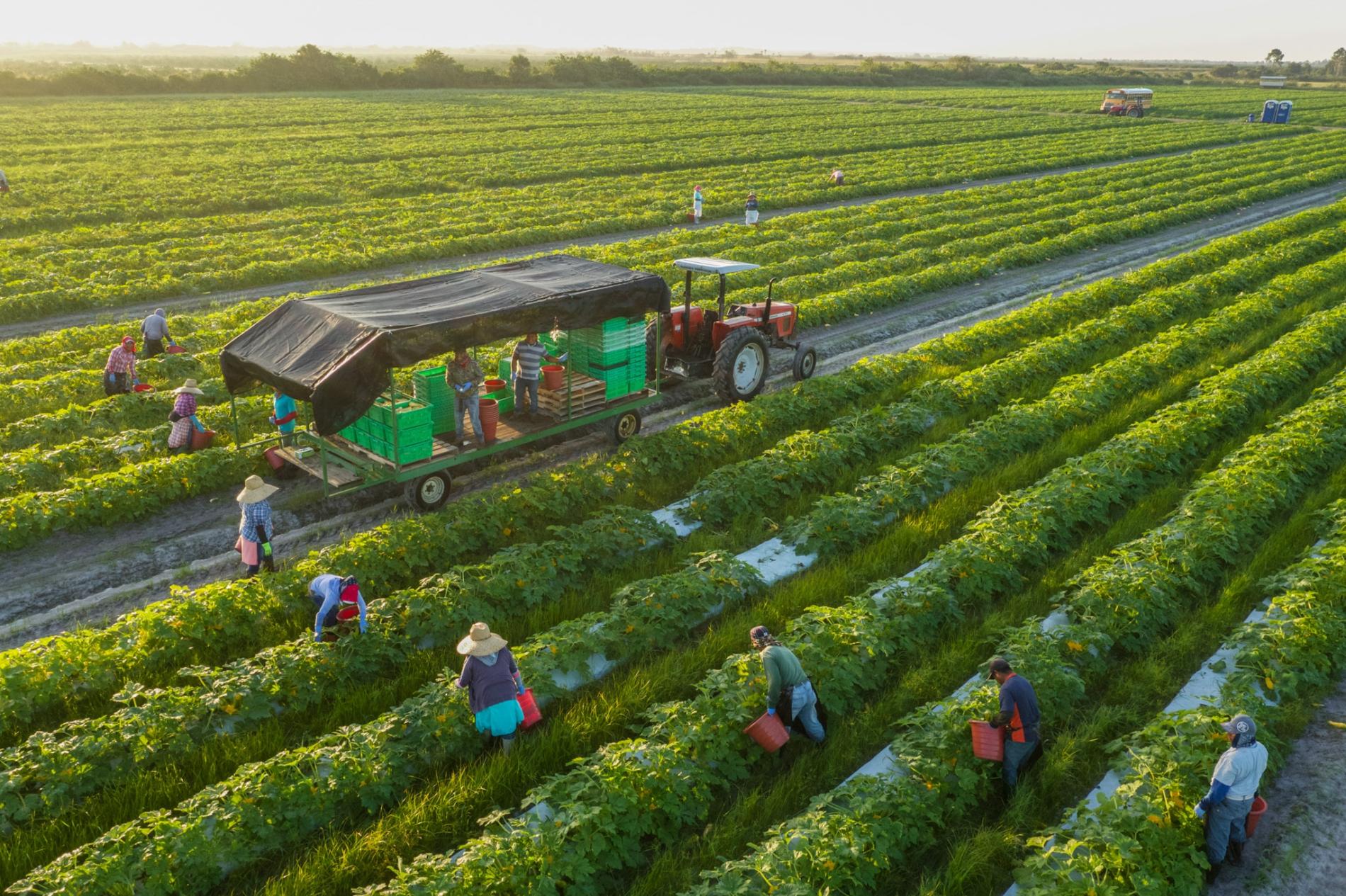
The image of a solitary farmer tilling a vast expanse of cornfields might be a common one, but the reality of rural farming is far more diverse. From family-run dairy farms with rows of contented cows, to orchards buzzing with honeybees gathering pollen, to vineyards stretching across rolling hillsides, the rural landscape reflects a tapestry of agricultural practices.

The rise of niche markets has opened up exciting opportunities for specialized farmers. Local farmers markets, organic farms, and artisan food producers are connecting directly with consumers, fostering a sense of community and appreciation for the source of their food.

Modern Tools Meet Traditional Values:

While the core principles of farming remain deeply rooted in tradition, technological advancements are constantly reshaping the industry. GPS-guided tractors increase efficiency, while sophisticated irrigation systems conserve water. Data-driven analysis helps farmers make informed decisions about planting and harvesting.

This technological integration, however, doesn’t erase the need for the farmer’s hands-on knowledge and expertise. Understanding the land, the animals, and the nuances of nature remains essential for success.

The Challenges and Rewards:

Rural farming is not without its challenges. Fluctuating market prices, unpredictable weather patterns, and increasing environmental regulations can all pose significant obstacles. The long hours, physical demands, and uncertainties inherent in the agricultural cycle can take a toll on both body and mind.

But the rewards are equally substantial. The tangible results of a season’s work – a bountiful harvest, healthy livestock, or a bustling farmers market filled with locally grown produce – provide immense satisfaction. The connection to the land, the sense of community, and the knowledge of providing sustenance for others are deeply fulfilling aspects of this way of life.

The Future of Rural Farming:

The future of rural farming is intertwined with the future of food security and sustainability. The world’s population is growing, and the demand for food is increasing. Rural farmers play a vital role in meeting this demand, providing nutritious food while ensuring the responsible stewardship of our natural resources.

Challenges remain, including adapting to a changing climate, addressing labor shortages, and promoting sustainable practices. But the resilience and ingenuity of rural farmers, coupled with growing public awareness of the importance of locally sourced food and sustainable agriculture, offer hope for a thriving future for this essential way of life.

In the quiet rhythm of the fields, amidst the scent of fresh air and fertile earth, the rural farming life endures – a testament to the enduring connection between humans and the land, a legacy passed down through generations, and a vital part of the fabric of our world.

Closure

We trust this article has clarified.

Discover the Best Mini Cow Farms Near You for a Unique Farming Experience

Discover the Best Mini Cow Farms Near You for a Unique Farming Experience

Looking for a mini cow farm near you? Discover the perfect place to experience the joy of miniature cows and explore their adorable world.

The Ultimate Guide to Mini Cow Cost: Factors to Consider for Affordable and Practical Ownership

Discover the affordability of mini cows at Mini Cow Cost. Find the perfect companion for your farm or backyard with our wide selection and competitive prices. Are you tired of the high costs associated with raising traditional-sized cows? Look no further, because Mini Cow Cost is here to revolutionize the way you think about livestock expenses! With our innovative approach to farming, we offer a solution that not only saves you money but also provides a unique and adorable addition to your farm. So, why break the bank when you can enjoy all the benefits of owning a cow at a fraction of the price? Join the Mini Cow Cost community today and discover a whole new world of affordability! Introduction Mini cows, also known as miniature cattle, have become increasingly popular among farmers and enthusiasts alike. These adorable pint-sized bovines are not only charming but also practical for small farms, urban homesteads, and even as pets. While the idea of owning a mini cow may seem appealing, many people wonder about the cost associated with these unique creatures. In this article, we will explore the various expenses involved in raising and keeping mini cows. Mini Cow Acquisition Costs Purchase Price The initial cost of acquiring a mini cow depends on various factors such as breed, age, gender, and pedigree. On average, you can expect to pay anywhere from $1,500 to $5,000 for a mini cow. Rare or highly sought-after breeds may command an even higher price tag. Veterinary Examinations Before bringing a mini cow home, it is essential to have them examined by a veterinarian. Veterinary examinations typically cost between $100 and $200, which includes vaccinations and testing for common diseases. Shelter and Fencing Expenses Barn or Shed Mini cows require adequate shelter to protect them from extreme weather conditions. The cost of a barn or shed can vary greatly depending on its size, materials used, and location. On average, you can expect to spend between $1,000 and $5,000 for a suitable shelter. Fencing Strong and secure fencing is crucial for keeping mini cows safely contained. The cost of fencing will depend on the type of material used, length of the perimeter, and any additional features such as gates. Expect to spend around $2,000 to $5,000 for fencing. Feeding and Nutrition Pasture and Hay Mini cows primarily graze on pasture, so ensuring they have access to good quality grass is essential. The cost of establishing and maintaining pasture can vary depending on the size of your land, soil conditions, and climate. Additionally, providing supplemental hay during the winter months is necessary, which can cost around $500 to $1,000 per year. Supplements and Minerals In addition to grazing, mini cows may require supplements and minerals to ensure they receive all the necessary nutrients. The cost of these supplements can range from $20 to $50 per month. Healthcare and Maintenance Regular Veterinary Care Mini cows, like any other animal, will require routine veterinary care to stay healthy. This includes vaccinations, deworming, hoof trimming, and general check-ups. The cost of annual veterinary care can range from $200 to $500. Grooming and Maintenance Mini cows may require occasional grooming, such as brushing and cleaning their hooves. While you can perform these tasks yourself, hiring a professional groomer can cost around $50 to $100 per session. Additional Expenses Transportation If you need to transport your mini cow, there may be additional costs involved, such as hiring a livestock trailer or paying for transportation services. Prices can vary depending on the distance and mode of transportation. Permits and Registrations Depending on your location and intended use of the mini cow, you may need to obtain permits or register them with local authorities. These fees can range from $50 to $200. Conclusion While the cost of owning a mini cow may seem daunting at first, it is important to consider the long-term benefits and joys they bring. Mini cows can provide companionship, milk, or even be shown in competitions. By understanding the various expenses involved and planning accordingly, you can make informed decisions about whether owning a mini cow is right for you. Affordable Purchase Price When considering the purchase of a cow, mini cows offer an appealing advantage with their affordable price tag. Compared to their larger counterparts, mini cows often come with a lower purchase price, making them a more cost-effective choice for potential owners. This means that individuals who have a limited budget can still fulfill their dream of owning cattle without breaking the bank. Reduced Feed Expenses One of the significant advantages of mini cows is their smaller size, which translates to reduced feed expenses. These pint-sized bovines require less feed compared to full-sized cattle, resulting in lower ongoing expenses for their upkeep. With the rising cost of animal feed, this cost-saving feature can make a significant difference in the overall financial burden of owning and maintaining a cow. Compact Shelter Needs Unlike standard-sized cows, mini cows do not require as much space or elaborate shelter structures. Their compact size allows them to thrive in smaller areas, which can help minimize construction and maintenance costs for their housing. This means that potential owners can save on building materials and labor, while still providing a comfortable and suitable living environment for their mini cows. Economical Grazing Mini cows possess the remarkable ability to efficiently graze on smaller plots of land. This grazing efficiency allows owners to save on pasture size and associated costs. By requiring less land for their grazing needs, mini cows contribute to reduced expenses related to land acquisition, maintenance, and fencing. This makes them an attractive option for individuals with limited available land or those looking to maximize their pasture utilization. Lower Veterinary Expenses Compared to larger breeds, mini cows generally require fewer medical interventions and vaccines. This reduction in veterinary care translates into potentially lower veterinary expenses for owners. With veterinary costs being a significant aspect of animal ownership, mini cows offer a cost-saving advantage by keeping these expenses at a minimum. This is particularly beneficial for individuals who are looking to save money on their livestock's healthcare without compromising their well-being. Practical Handling Equipment Handling and restraining equipment for mini cows doesn't have to be as heavy-duty or expensive as those required for larger cattle breeds. Due to their smaller size, mini cows are easier to handle and pose less of a physical challenge during routine tasks such as grooming, milking, or medical procedures. This means that potential owners can invest in practical and budget-friendly handling equipment, further reducing the initial setup and ongoing maintenance costs associated with owning cattle. Cost-Effective Breeding Programs For those interested in breeding mini cows, the process can be more economical compared to breeding larger cattle breeds. Breeding mini cows typically involves smaller doses of fertility treatments and requires less space for housing the breeding pairs. These factors contribute to reduced expenses related to reproductive management, making mini cows an attractive option for individuals looking to establish a cost-effective breeding program. Affordable Transportation Transporting livestock can be a costly affair, especially when dealing with larger animals. However, mini cows offer an advantage in this regard. Their smaller size allows them to be easily transported in standard trailers or trucks, saving on transportation costs. Owners can avoid the need for specialized vehicles or expensive transportation services, making mini cows a practical choice for individuals who may need to relocate their livestock or participate in agricultural shows and events. Reduced Land Requirements The smaller size of mini cows means that less land is needed for their grazing. This directly translates into lower land acquisition and maintenance costs for potential owners. Whether individuals have limited available land or are looking to optimize their land usage, mini cows offer the opportunity to maximize the productivity of smaller areas without compromising on the benefits of owning cattle. Budget-Friendly Maintenance When it comes to maintenance costs, mini cows offer a budget-friendly advantage over full-sized cattle. Expenses such as hoof trimming, de-worming, and vaccinations are often lower for mini cows. These reduced maintenance costs, coupled with their overall smaller size, contribute to long-term savings for owners. By choosing mini cows, individuals can enjoy the benefits of owning cattle while keeping their maintenance expenses at a manageable level. Point of View: I believe that the cost of owning a mini cow can vary depending on various factors such as breed, age, location, and purpose. While it is important to consider the financial implications of owning a mini cow, it is equally important to understand the potential benefits and drawbacks associated with this type of investment. Pros of Mini Cow Cost: * Lower initial cost: Compared to traditional-sized cows, mini cows generally have a lower purchase price, which can make them more accessible to individuals with limited budgets. * Reduced feed expenses: Mini cows require less food and pasture space compared to their larger counterparts, resulting in potential savings on feed costs. * Easier handling and management: Due to their smaller size, mini cows are generally easier to handle and require less physical strength or equipment for tasks such as milking, grooming, and transportation. * Lower space requirements: Owning a mini cow may be more feasible for individuals with limited land availability, as they require less space for grazing and housing. * Alternative income sources: Mini cows can provide various income opportunities through selling milk, breeding, or showcasing them as pets or attractions in petting zoos or educational facilities. Cons of Mini Cow Cost: * Higher veterinary expenses: While mini cows may require less feed, their healthcare needs can still be significant, and veterinary costs can add up over time. * Limited market demand: Selling mini cows or their products may have a smaller market compared to traditional cows, potentially impacting the profitability of the venture. * Space limitations: Although mini cows require less space, it is still essential to provide them with adequate grazing and shelter, which can limit the number of mini cows that can be kept on a property. * Specialized knowledge required: Owning mini cows may require specific knowledge and skills related to their care, including nutrition, health, and breeding, which can involve additional costs for education or professional advice. * Long-term commitment: Mini cows have a lifespan of around 15-20 years, so owning them requires a long-term commitment of time, effort, and finances. In conclusion, the cost of owning a mini cow should be carefully considered, weighing the potential advantages and disadvantages. While they may offer cost-saving benefits in terms of initial purchase price and feed expenses, it is crucial to account for other factors such as veterinary care, market demand, space limitations, specialized knowledge, and the long-term commitment required. Thank you for taking the time to visit our blog and learn more about the cost of mini cows. We hope that the information provided has been helpful in giving you a better understanding of what to expect when considering adding one of these adorable creatures to your life. In this closing message, we would like to summarize the key points discussed throughout the article. Firstly, it is important to note that the cost of a mini cow can vary depending on several factors. These factors include the breed, age, gender, and overall health of the animal. Additionally, the location and availability of mini cows in your area may also impact the price. Therefore, it is crucial to do thorough research and reach out to local breeders or farms to get a better idea of the specific costs in your region. Secondly, we discussed the various expenses associated with owning a mini cow. While the initial purchase price is one aspect, it is equally important to consider ongoing costs such as feed, shelter, veterinary care, and other maintenance expenses. These costs can add up over time, so it is essential to budget accordingly and be prepared for the financial commitment that comes with owning a mini cow. In conclusion, owning a mini cow can bring immense joy and fulfillment to your life. However, it is vital to be aware of the financial implications and responsibilities that come with it. By understanding the factors that influence the cost of mini cows and considering the ongoing expenses, you will be better equipped to make an informed decision. We appreciate your interest in our blog and hope that you found the information provided valuable. Should you have any further questions or need more information, please feel free to reach out. Best of luck on your mini cow journey!. Here are some common questions that people also ask about Mini Cow Cost: * How much does a mini cow cost? Mini cows can vary in price depending on various factors such as breed, age, size, and market demand. On average, you can expect to pay between $1,000 and $4,000 for a mini cow. However, rare or unique breeds may have higher price tags. * Are mini cows expensive to maintain? Mini cows tend to require less feed and space compared to their full-sized counterparts, making them relatively affordable to maintain. However, it is important to consider additional expenses such as veterinary care, shelter, fencing, and regular vaccinations. Overall, the cost of maintaining a mini cow is moderate. * Can I milk a mini cow? Yes, many mini cows can be milked just like standard-sized cows. However, their milk production is significantly lower due to their smaller size. If you are looking for a consistent milk supply, it may be more practical to opt for a full-sized dairy cow. * Do mini cows make good pets? Mini cows can indeed make great pets! They are often known for their friendly and docile nature, which makes them enjoyable companions. However, it's important to note that they still require proper care, attention, and a suitable environment to thrive. * Are mini cows legal to own? The legality of owning mini cows varies by location. Some areas allow them as pets or for agricultural purposes, while others may have restrictions or specific requirements. It's crucial to check with your local authorities or zoning regulations to ensure you can legally own a mini cow in your area.
http://dlvr.it/SwQCJn

The Ultimate Guide to Mini Cow Cost: Factors to Consider for Affordable and Practical Ownership

The Ultimate Guide to Mini Cow Cost: Factors to Consider for Affordable and Practical Ownership

Discover the affordability of mini cows at Mini Cow Cost. Find the perfect companion for your farm or backyard with our wide selection and competitive prices.

Unlocking the Secrets: How to Milk a Cow like a Pro

Unlocking the Secrets: How to Milk a Cow like a Pro

To Milk A Cow is a practical guide for all aspiring farmers, providing step-by-step instructions on the art of milking cows and maintaining a healthy herd.

Beyond The Bag: Exploring Sustainable Fertilizer Alternatives For Modern Farms

Beyond the Bag: Exploring Sustainable Fertilizer Alternatives for Modern Farms This exciting moment allows us to explore new dimensions of t...