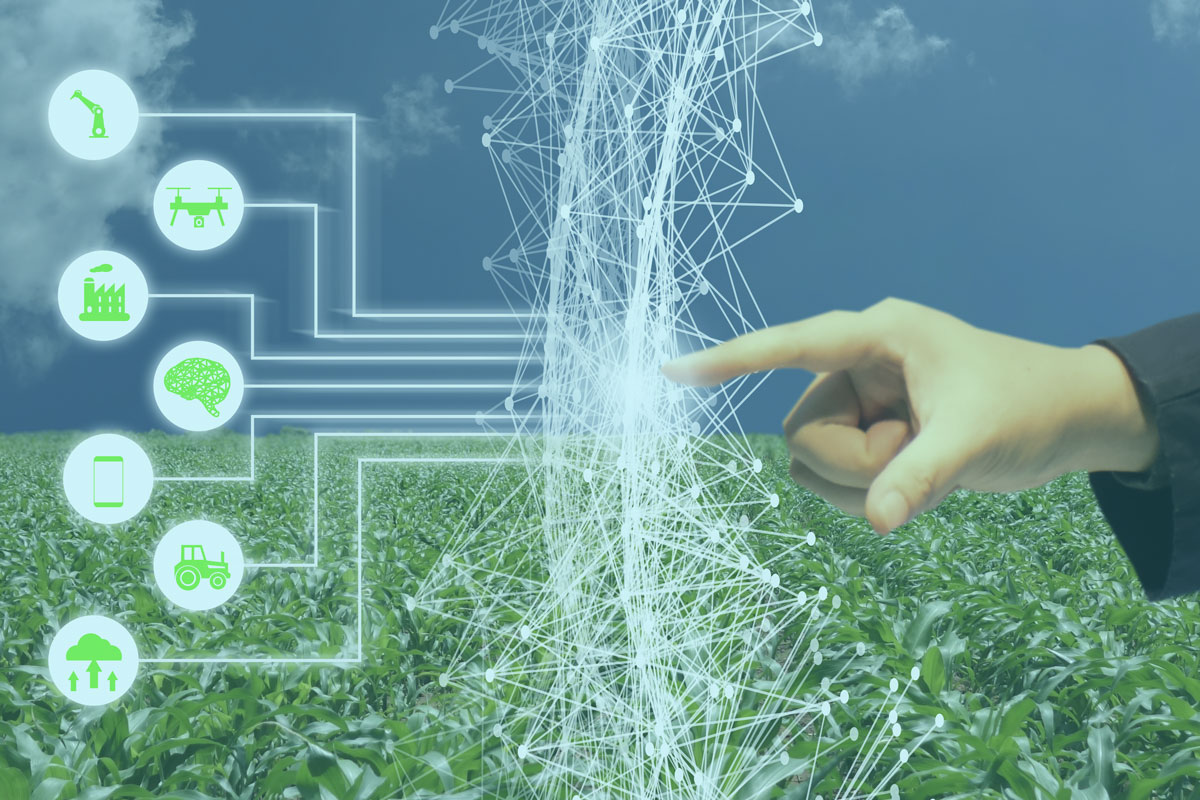
Precision Livestock Farming: Optimizing Animal Welfare, Productivity, And Sustainability

Precision Livestock Farming: Optimizing Animal Welfare, Productivity, and Sustainability
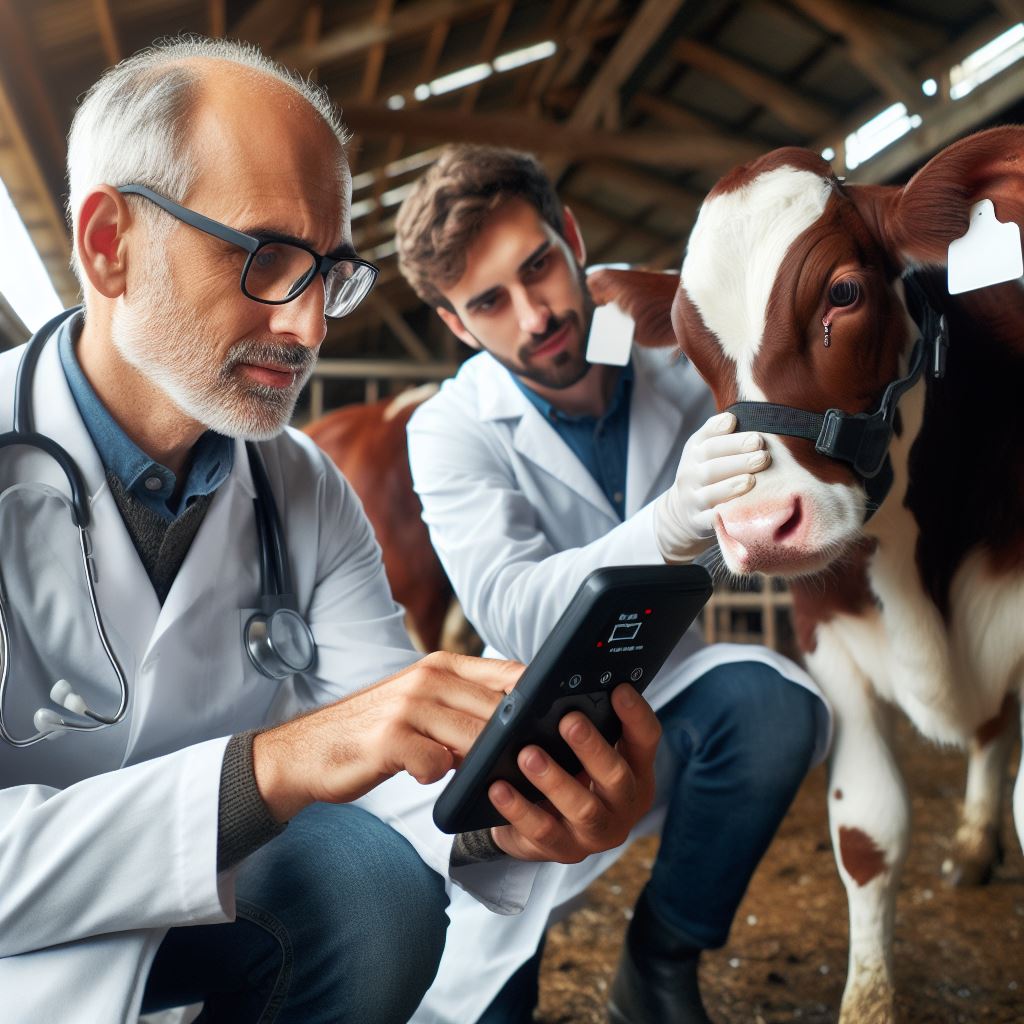
On this day, we set forth to learn more about the thought-provoking matter of Precision Livestock Farming: Optimizing Animal Welfare, Productivity, and Sustainability. We will explore meaningful data and offer innovative perspectives to the readers.

Video about Precision Livestock Farming: Optimizing Animal Welfare, Productivity, and Sustainability

Precision Livestock Farming: Optimizing Animal Welfare, Productivity, and Sustainability

Precision Livestock Farming: Optimizing Animal Welfare, Productivity, and Sustainability

Precision livestock farming (PLF), a rapidly evolving field at the intersection of agriculture and technology, is transforming the way we interact with and manage livestock. Rooted in the principles of data-driven decision making, PLF leverages advanced sensors, artificial intelligence, and other cutting-edge technologies to monitor and manage animal health, behavior, and productivity with unprecedented accuracy. This approach not only promises significant economic benefits for farmers but also fosters improved animal welfare and contributes to environmental sustainability.

The Pillars of Precision Livestock Farming:

PLF operates on a foundation of data collection and analysis.

  • Sensors: A diverse array of sensors, both wearable and environmental, play a crucial role in gathering real-time information about individual animals and their surroundings. These sensors can monitor:

    • Animal health: Body temperature, heart rate, respiration, activity levels, and even gait can be tracked to detect early signs of illness or distress.
    • Feeding behaviour: Sensors can track feed intake, identify animals experiencing feeding difficulties, and optimize feed rations for individual animals.
    • Location and movement: GPS trackers and RFID tags allow farmers to monitor animal movement patterns, identify potential escape risks, and optimize grazing strategies.
    • Environmental conditions: Sensors can measure temperature, humidity, ammonia levels, and other environmental factors, ensuring optimal living conditions for the animals.
  • Data Integration and Analysis: Collected data is processed and analyzed using sophisticated software algorithms and artificial intelligence (AI). This analysis helps farmers:

    • Identify trends and patterns: Anomalies in animal behavior or health indicators can alert farmers to potential problems, enabling timely intervention.
    • Predict future outcomes: Machine learning models can be trained to predict animal health issues, reproductive cycles, and even individual growth trajectories.
    • Optimize resource allocation: Data-driven insights can guide decisions on feed allocation, grazing management, and other resource utilization strategies, improving efficiency and reducing waste.
  • Automation and Decision Support:

PLF systems integrate with existing farm infrastructure and automate various tasks, freeing farmers from repetitive manual work.

  • Automatic feeding systems: Sensors can adjust feed delivery based on individual animal needs, ensuring optimal nutrition and reducing waste.
  • Automated health monitoring:
  • Closure

    We hope this article has contributed to your knowledge about Precision Livestock Farming: Optimizing Animal Welfare, Productivity, and Sustainability. We hope you found this article valuable and insightful. See you again in our next article!.

Scaling Green: A Look At The Economics Of Vertical Farming

Scaling Green: A Look at the Economics of Vertical Farming
In this special moment, we aim to explore the captivating topic concerning Scaling Green: A Look at the Economics of Vertical Farming. We aim to weave valuable insights and bring fresh perspectives.

Video about Scaling Green: A Look at the Economics of Vertical Farming

Scaling Green: A Look at the Economics of Vertical Farming

Scaling Green: A Look at the Economics of Vertical Farming

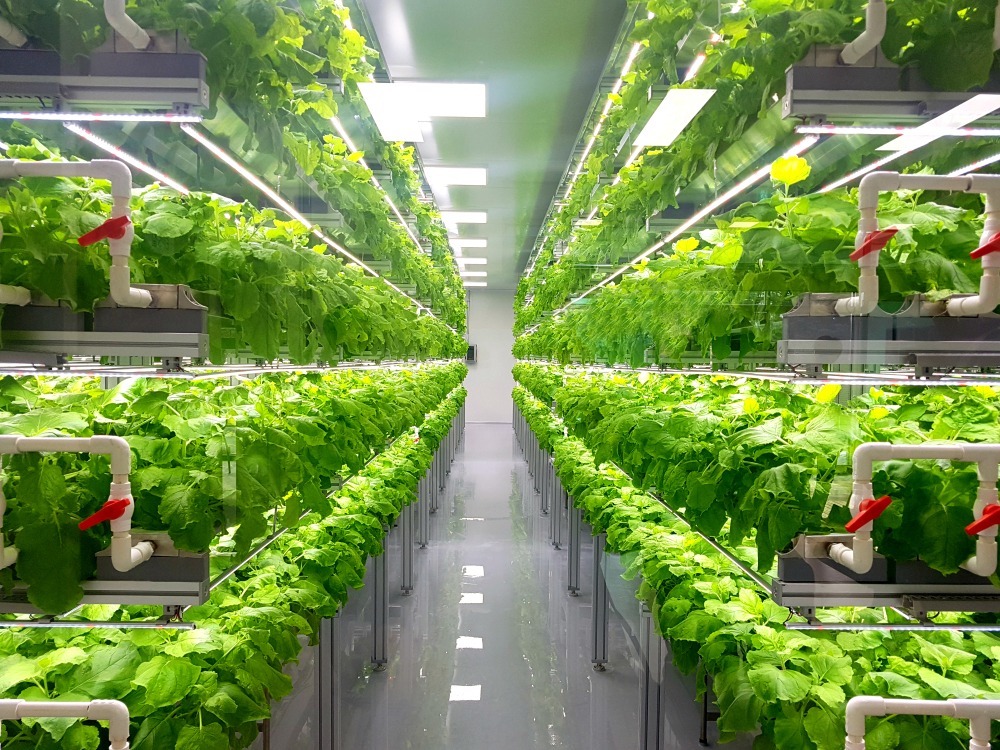
Vertical farming, a revolutionary approach to agriculture, is gaining traction as a sustainable and efficient solution to global food security challenges. By cultivating crops in stacked, vertically oriented layers indoors, this innovative method bypasses traditional limitations of land, weather, and water, presenting a compelling alternative to conventional agriculture. However, the economic viability of vertical farming remains a subject of debate. Is this technology truly cost-competitive, or is it destined to remain a niche solution for specialized markets?

This article delves into the complex economics of vertical farming, examining the factors driving its costs and potential for profitability across diverse crops and applications.

Understanding the Cost Structure:

Vertical farming presents a unique cost structure compared to conventional agriculture. While land acquisition is absent, the high capital expenditure (CAPEX) associated with building and outfitting vertical farms contributes significantly to the initial investment.

1. Infrastructure:

The core cost of vertical farming lies in the infrastructure:

  • Construction & Lighting: Building a climate-controlled, multi-story structure with ample artificial lighting (LEDs are increasingly popular) requires substantial upfront capital.

  • Climate Control: Maintaining optimal temperature, humidity, and air circulation throughout the year necessitates sophisticated climate control systems, further escalating costs.

  • Water & Nutrient Management: Vertical farms rely on hydroponics or aeroponics, efficient irrigation systems that minimize water usage but still require investment in pumps, water filtration, and nutrient solutions.

  • Automation & Technology: Robotics, sensors, and AI-powered monitoring systems are integral to efficient vertical farming operations, adding to the technology costs.

2. Operational Expenses (OPEX):

Beyond infrastructure, ongoing operational expenses contribute to the overall cost:

  • Energy: Artificial lighting and climate control systems consume significant energy, translating into substantial electricity bills.

  • Water & Nutrients: While efficient, the continuous replenishment of nutrient solutions and irrigation water incurs ongoing costs.

  • Closure

    We trust this article has given you a deeper understanding of Scaling Green: A Look at the Economics of Vertical Farming. We appreciate you taking the time to read this. Catch you in our next article!.

Cultivating A Coexistence: Wildlife-Friendly Farming Techniques For A Thriving Ecosystem

Cultivating a Coexistence: Wildlife-Friendly Farming Techniques for a Thriving Ecosystem
It is with great enthusiasm that we investigate the intriguing topic related to Cultivating a Coexistence: Wildlife-Friendly Farming Techniques for a Thriving Ecosystem. Let’s weave interesting information and offer fresh perspectives to the readers.

Video about Cultivating a Coexistence: Wildlife-Friendly Farming Techniques for a Thriving Ecosystem

Cultivating a Coexistence: Wildlife-Friendly Farming Techniques for a Thriving Ecosystem

Cultivating a Coexistence: Wildlife-Friendly Farming Techniques for a Thriving Ecosystem

Our world faces a critical juncture: feeding a growing population while safeguarding the planet’s biodiversity. Traditionally, agriculture has come at a cost to wildlife, leading to habitat loss, fragmented landscapes, and declining species. However, a revolution is stirring in the fields, one where farmers are embracing practices that nurture both crops and creatures.

Wildlife-friendly farming, also known as habitat-friendly agriculture or agroforestry, involves integrating ecological principles into agricultural systems. This holistic approach transcends simply minimizing harm, aiming for a harmonious coexistence where farmlands become havens for wildlife. It’s a commitment to sustainability that benefits not just farmers and consumers, but also the intricate web of life that sustains us.

Reclaiming Lost Habitats: The Cornerstone of Wildlife-Friendly Farming

At the heart of this paradigm shift lies a fundamental understanding: wildlife needs space to thrive. Habitat loss is the primary driver of biodiversity decline, and restoring and enhancing natural habitats within and around farmland is crucial. Wildlife-friendly farming techniques address this challenge in several ways:

  • Hedgerows and Buffer Strips: These ribbons of native trees, shrubs, and wildflowers act as ecological corridors, connecting fragmented habitats and providing shelter, nesting sites, and food sources for a diverse range of animals.

  • Riparian Buffers: Protecting and restoring vegetation along watercourses not only filters pollutants but also creates critical habitat for aquatic and terrestrial wildlife.

  • Grassland Conservation: Preserving and managing grasslands, either through rotational grazing or setting aside areas as wildlife refuges, supports pollinators, insects, and grazing animals.

  • Woodland Creation: Integrating trees into farm landscapes increases biodiversity, provides shade and windbreaks, and sequesters carbon, contributing to climate change mitigation.

Fostering Biodiversity: From Beneficial Insects to Predators

Beyond providing habitat, wildlife-friendly farming actively promotes biodiversity through practices that encourage beneficial interactions:

  • Crop Diversity and Rotation:Planting a variety of crops reduces reliance on pesticides, provides diverse food sources for wildlife, and disrupts pest cycles.

  • Companion Planting: Strategically planting beneficial species alongside crops can repel pests, attract pollinators, and improve soil fertility.

  • Integrated Pest Management (IPM): This holistic approach prioritizes prevention and natural control methods, minimizing the use of synthetic pesticides that harm beneficial insects and wildlife.

    Closure

    Thus, we hope this article has successfully explored Cultivating a Coexistence: Wildlife-Friendly Farming Techniques for a Thriving Ecosystem. We hope you found this article both useful and insightful. See you in the next article!.

Going Organic: A Deep Dive Into The Certification Process

Going Organic: A Deep Dive into the Certification Process
It is with utmost joy that we embark on a journey through the exciting topic concerning Going Organic: A Deep Dive into the Certification Process. We are here to share fresh knowledge and offer distinctive points of view.

Video about Going Organic: A Deep Dive into the Certification Process

Going Organic: A Deep Dive into the Certification Process

Going Organic: A Deep Dive into the Certification Process

The term “organic” is thrown around a lot these days, gracing everything from food labels to household cleaning products. But what does it truly mean?

In essence, organic certification signifies that a product has been produced according to specific environmental, social, and economic standards set by accredited regulatory bodies. While the “organic” label often connotes health benefits and improved environmental impact, understanding the intricate certification process behind it is crucial for consumers to truly grasp the significance.

This article delves into the multifaceted world of organic certification, uncovering the meticulous steps involved in ensuring a product earns the coveted organic label.

The Foundation: Defining Organic Production

Before jumping into the certification process, it’s essential to understand the core principles that underpin organic production. These principles, outlined and enforced by bodies like the USDA (United States Department of Agriculture), focus on three key dimensions:

  • Environmental Sustainability: Organic farming practices prioritize biodiversity, soil health, and the responsible use of natural resources. This involves minimizing synthetic chemical inputs like pesticides, herbicides, and fertilizers. Instead, organic farmers rely on natural methods like crop rotation, composting, and biological pest control to maintain healthy and fertile soils.
  • Animal Welfare: Organic livestock production emphasizes humane treatment, access to pasture, and organic feed. This means no routine antibiotic or growth hormone use, and animals have the freedom to engage in natural behaviors like grazing and foraging.
  • Social Equity: Organic certification often takes into account fair labor practices, sustainable livelihoods for farmers, and responsible partnerships throughout the supply chain.

The Certification Pathway: A Step-by-Step Guide

The journey to becoming an organic certifier is a rigorous one, encompassing diverse stages:

1. Transitioning to Organic: A significant first step involves transitioningconventional operations to organic standards. This period, typically three years for land and one year for livestock, requires farmers to adhere to organic practices while gradually eliminating prohibited substances from their systems. During this transition, producers cannot label their products as "organic" but can often participate in “transition” programs.

2. Selecting a Certifying Agent: Organic certification is not a one-size-fits-all process. Farmers and businesses must choose an accredited certifying agent that specializes in their particular type of production (e.g., agricultural produce, livestock, or processed foods). Accredited agents operate independently and ensure compliance with national and international organic standards.

3. Compliance Review and Documentation: This is where the rubber meets the road. Certifying agents conduct meticulous on-site inspections, examining farm practices, recordkeeping, and handling procedures to ensure compliance with organic regulations.

  • Farm Inspections: Inspections delve into various aspects, including soil management, pest control methods, livestock management practices, and the use of prohibited substances.

  • Recordkeeping: Comprehensive recordkeeping is paramount, documenting every stage of production, from seed to harvest, including inputs used, applications of fertilizers, and pesticide treatments. This documentation provides crucial evidence for the certifying agent to verify organic practices.

4. Following the Organic Program: Once approved, certified organic producers must adhere to stringent standards throughout their operations. This includes:

  • Continuous Monitoring: Regularly scheduled inspections and record reviews ensure ongoing compliance.
  • Traceability: Maintaining clear and traceable records along the entire supply chain, from farm to final product, allows for efficient tracking and accountability.
  • Labeling Compliance: Certified organic producers must clearly label their products with the USDA organic seal or equivalent, indicating that they meet the rigorous organic standards.

Closure

We trust this article has enriched your knowledge about Going Organic: A Deep Dive into the Certification Process. We are thankful for your interest in our content. Until the next article!.

Reaping The Rewards: How Digital Farming Tools Are Revolutionizing Agriculture

Reaping the Rewards: How Digital Farming Tools are Revolutionizing Agriculture
With respect to the subject at hand, we navigate through the compelling matter surrounding Reaping the Rewards: How Digital Farming Tools are Revolutionizing Agriculture. Together, let’s weave meaningful information and fresh perspectives for our audience.

Video about Reaping the Rewards: How Digital Farming Tools are Revolutionizing Agriculture

Reaping the Rewards: How Digital Farming Tools are Revolutionizing Agriculture

Reaping the Rewards: How Digital Farming Tools are Revolutionizing Agriculture

Agriculture, the backbone of our civilization, has historically relied on tradition and experience. Yet, in recent years, a transformative wave has swept across the fields: the adoption of digital farming tools. This technology-driven revolution is empowering farmers with unprecedented levels of data insight, precision, and efficiency, paving the way for a more sustainable and productive future.

From satellites in orbit to sensors embedded in the soil, digital farming tools enable farmers to monitor, analyze, and manage their crops like never before. This article delves into the diverse landscape of these digital tools, exploring their functionalities, benefits, and the future they hold for the agricultural sector.

1. The Eyes in the Sky: Precision Agriculture and Satellite Imagery

Satellite imagery has emerged as a cornerstone of precision agriculture, offering a bird’s-eye view of fields and crop health. High-resolution images capture crucial details such as:

  • Crop health and growth: Early detection of diseases, pests, and nutrient deficiencies through color variations and growth patterns.
  • Soil moisture and fertility: Analyzing soil reflectance values to assess moisture levels, potential erosion, and nutrient imbalances.
  • Yield prediction: Combining image data with historical weather patterns and crop models to estimate potential yields.

2. On the Ground: Sensors and IoT for Real-Time Data

Taking precision agriculture a step further are ground-level sensors embedded in the soil, attached to machinery, or even worn by livestock. These sensors continuously monitor and transmit data on:

  • Soil properties: Temperature, moisture, pH levels, and nutrient content provide insights into optimal irrigation, fertilization, and planting schedules.
  • Crop variables: Sensors can measure leaf temperature, humidity, and chlorophyll content, revealing stressors and guiding targeted interventions.
  • Livestock health: Wearable sensors track animal movement, behavior, and physiological parameters, enabling early detection of illness and optimizing herd management.

3. Harnessing the Power of Data: Farm Management Software and Analytics

The vast amounts of data collected by satellites and sensors are invaluable, but only when analyzed and acted upon. Farm management software platforms provide the tools to:

  • Analyze and visualize data: Create interactive maps, charts, and reports to identify trends, patterns, and potential issues.
  • Automate tasks: Schedule irrigation, fertilization, and harvesting based on real-time data and weather forecasts.
  • Optimize resource allocation: Reduce input costs by precisely targeting fertilizer and water application to areas of need.
  • Track performance and make informed decisions: Compare yields, identify areas for improvement, and refine farming practices over time.

4. Drones: Aerial Surveillance and Crop Care

Drones equipped with cameras, sensors, and spraying systems offer a versatile solution for various farm needs:

  • Field mapping and monitoring: Quickly and efficiently survey large areas for crop health, identifying potential issues with precision.
  • Targeted crop spraying: Spray fertilizers, pesticides, and herbicides with pinpoint accuracy, minimizing environmental impact and improving efficiency.
  • Closure

    We trust this article has delivered insightful knowledge about Reaping the Rewards: How Digital Farming Tools are Revolutionizing Agriculture. Thank you for your time and focus. Catch you in our next piece!.

A Natural Defense: Embracing Organic Pest Control In Farming

A Natural Defense: Embracing Organic Pest Control in Farming
With thoughtful analysis, we traverse through the ideas of the fascinating theme of A Natural Defense: Embracing Organic Pest Control in Farming. Let’s present engaging details and offer the readers new perspectives.

Video about A Natural Defense: Embracing Organic Pest Control in Farming

A Natural Defense: Embracing Organic Pest Control in Farming

A Natural Defense: Embracing Organic Pest Control in Farming

In the delicate dance between cultivating crops and preventing their destruction, farmers have increasingly turned to eco-friendly solutions: organic pest control methods. These techniques prioritize the health of the ecosystem, minimize environmental impact, and contribute to sustainable agriculture. This article delves into the world of organic pest control, exploring its principles, practices, and benefits, while addressing the challenges it presents.

Understanding the Principles

Organic pest control operates on a fundamental principle: fostering a healthy and balanced ecosystem. It emphasizes:

  • Prevention: Healthy soil, diverse plant communities, and resilient crops are key to deterrence.

  • Natural Enemies: Promoting beneficial insects, birds, and microorganisms that prey on or parasitize pests.

  • Physical and Mechanical Controls: Using barriers, traps, and other physical mechanisms to manage pest populations.

  • Biopesticides: Employing naturally derived substances, such as bacteria, fungi, or plant extracts, to control pests.

Effective Organic Pest Control Practices

1. Cultural Practices:

  • Crop Rotation: Alternating crops disrupts pest life cycles and reduces soilborne disease.

  • Companion Planting: Growing beneficial plants alongside crops can repel pests, attract beneficial insects, or improve soil health.

  • Intercropping: Planting different crops together increases biodiversity, offering diverse food sources for beneficial insects and making it harder for pests to establish dominance.

  • Closure

    We trust this article has deepened your understanding of A Natural Defense: Embracing Organic Pest Control in Farming. Thank you for spending your time with this article. See you in the next article!.

The Growing Appeal Of Organic Fruit Farming: Trends Shaping The Future

The Growing Appeal of Organic Fruit Farming: Trends Shaping the Future
With gratitude, we proceed to explore the compelling discussion around The Growing Appeal of Organic Fruit Farming: Trends Shaping the Future. Let’s gather intriguing insights and offer innovative angles to the readers.

Video about The Growing Appeal of Organic Fruit Farming: Trends Shaping the Future

The Growing Appeal of Organic Fruit Farming: Trends Shaping the Future

The Growing Appeal of Organic Fruit Farming: Trends Shaping the Future

The demand for organic food has surged in recent years, driven by consumer awareness of the potential health, environmental, and ethical benefits. This trend extends to fruit farming, where organic practices are gaining traction across the globe.

This article will delve into the key trends shaping the landscape of organic fruit farming, examining the factors driving its growth, the challenges it faces, and the innovative solutions emerging to meet the needs of this burgeoning market.

1. The Rise of the Conscious Consumer:

At the heart of the organic fruit farming boom lies the evolving consumer mindset. People are increasingly concerned about the impact of their food choices on their health, the environment, and animal welfare. They are willing to pay a premium for fruit grown without synthetic pesticides, herbicides, or fertilizers, knowing they are consuming a cleaner, more natural product.

2. Growing Recognition of Health Benefits:

Scientific studies continue to highlight the potential health advantages of consuming organic fruits and vegetables. They often contain higher levels of certain nutrients, possess antioxidants that combat cell damage, and may carry lower residues of harmful chemicals. This growing body of evidence reinforces the health halo around organic produce and motivates consumers to make conscious choices.

3. Environmental Stewardship:

Organic farming practices prioritize soil health, biodiversity, and water conservation. By avoiding synthetic inputs, organic farmers reduce pollution and promote sustainable land management. This commitment to environmental responsibility resonates with environmentally conscious consumers, aligning with global efforts to combat climate change and protect natural resources.

4. Innovation and Technology Enhancing Organic Fruit Farming:

Technological advancements are playing a crucial role in making organic fruit farming more efficient and sustainable.

  • Precision Agriculture: Sensors and data analytics allow for targeted application of organic fertilizers and pest control measures, minimizing waste and resource consumption.
  • Biocontrols: The use of beneficial insects, fungi, and bacteria to suppress pests is gaining popularity, offering a natural and effective alternative to synthetic pesticides.
  • Vertical Farming: Cultivating fruits in vertically stacked layers, utilizing controlled environments and hydroponics, offers a space-efficient way to produce organic fruits while minimizing water and land usage.

5. Supply Chain Transparency and Certification:

Consumers increasingly demand transparency in their food supply chains. Certification programs, such as USDA Organic and EU Organic, ensure that fruit meets rigorous standards for organic production, providing consumers with confidence and assurance in their choices.

6. Emerging Markets and Global Expansion:

The demand for organic fruits is expanding rapidly in developing markets, driven by growing middle classes and increasing consumer awareness. This presents significant opportunities for organic fruit farmers worldwide to tap into new markets and contribute to a more globalized organic food system.

Challenges Facing Organic Fruit Farming:

Despite the promising trends, organic fruit farming faces several challenges:

  • Higher Production Costs: Organic practices often involve more labor-intensive methods, specialized inputs, and lower yields compared to conventional farming, leading to higher production costs.
  • Market Access and Pricing:
    While demand is growing, access to distribution channels and achieving competitive pricing in the mainstream market can be challenging for smaller organic fruit farmers.
  • Seasonal Peaks and Storage: Organic fruit often perishes faster than conventionally grown counterparts due to the lack of chemical preservatives. This can lead to wasted produce during peak seasons and difficulties in providing year-round availability.

Addressing the Challenges: Innovations and Solutions:

To overcome these challenges, the organic fruit industry is actively pursuing innovative solutions:

Closure

We trust this article has been helpful in understanding The Growing Appeal of Organic Fruit Farming: Trends Shaping the Future. We hope this article has been insightful and beneficial. See you in our next piece!.

Beyond The Bag: Exploring Sustainable Fertilizer Alternatives For Modern Farms

Beyond the Bag: Exploring Sustainable Fertilizer Alternatives for Modern Farms This exciting moment allows us to explore new dimensions of t...