Facing The Flock: The Growing Challenges Of Poultry Farming In A Changing World

Facing the Flock: The Growing Challenges of Poultry Farming in a Changing World
It is with careful attention that we proceed into the compelling matter surrounding Facing the Flock: The Growing Challenges of Poultry Farming in a Changing World. Together, let’s weave meaningful information and fresh perspectives for our audience.

Video about Facing the Flock: The Growing Challenges of Poultry Farming in a Changing World

Facing the Flock: The Growing Challenges of Poultry Farming in a Changing World
Facing the Flock: The Growing Challenges of Poultry Farming in a Changing World

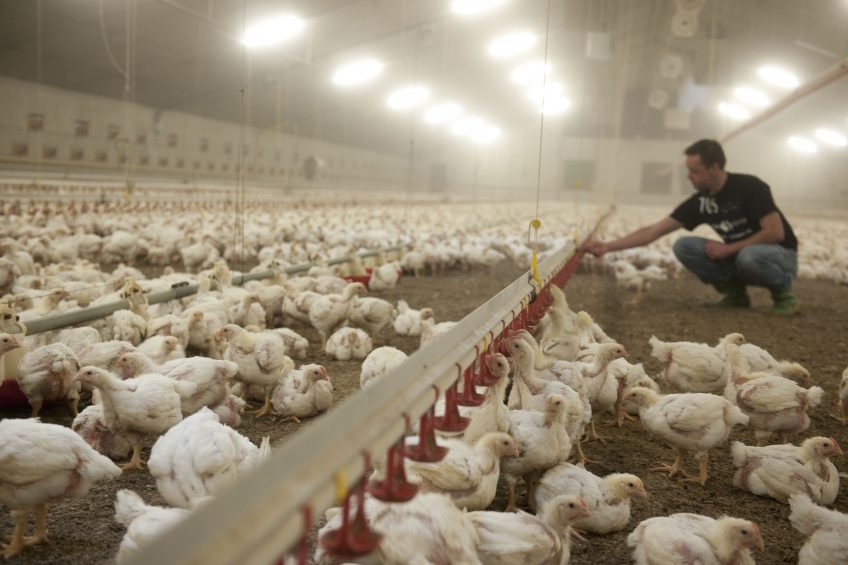
Poultry farming, a cornerstone of global food security, faces a myriad of challenges in the 21st century. From safeguarding animal welfare to grappling with environmental concerns, the industry must navigate a complex terrain to ensure sustainability and ethical practices. This article delves into the multifaceted challenges confronting poultry farmers, exploring both current issues and emerging threats.

Disease Outbreaks: A Constant Threat

Disease outbreaks remain a perennial worry for poultry farmers, threatening flocks, livelihoods, and global food supplies. Highly contagious diseases like avian influenza (bird flu), Newcastle disease, and Marek’s disease can decimate entire flocks within days, causing significant economic losses. The rapid spread of these diseases, often facilitated by international trade and inadequate biosecurity measures, necessitates constant vigilance and swift action.

The Rise of Antibiotic Resistance

The overuse of antibiotics in poultry farming has fueled the alarming rise of antibiotic-resistant bacteria. This growing concern poses a serious threat to human health, as resistant bacteria can spread from poultry to humans through contaminated food or contact. The World Health Organization (WHO) has sounded the alarm on this issue, urging responsible antibiotic stewardship and alternative strategies to combat disease in poultry.

Environmental Impacts: Searching for Sustainable Solutions

Poultry farming’s environmental footprint is significant. The industry generates substantial waste, including manure and spent litter, which can contaminate waterways and contribute to greenhouse gas emissions. Intensive production systems, with high stocking densities, can also lead to soil degradation and antibiotic pollution. Farmers are increasingly exploring sustainable practices like anaerobic digestion of manure, composting, and reducing reliance on antibiotics to mitigate these impacts.

Market Volatility: From Feast to Famine

Poultry farmers are at the mercy of volatile market prices, influenced by factors like feed costs, consumer demand, and disease outbreaks. Fluctuations in egg and chicken prices can significantly impact farm incomes, leaving farmers vulnerable to economic hardship. Diversifying production, exploring niche markets, and implementing effective risk management strategies are crucial for navigating this uncertainty.

Labor Shortages: Finding and Retaining Skilled Workers

Finding and retaining skilled labor is a growing challenge for poultry farmers. The industry requires a workforce with specific knowledge and skills, from animal care to biosecurity management. Labor shortages can lead to productivity losses, compromised animal welfare, and difficulties in meeting market demands.

Animal Welfare: Balancing Production with Compassion

Concerns about animal welfare are increasing, especially regarding intensive production systems. Battery cages for laying hens, for example, have been widely criticized for restricting natural behaviours. Consumers are increasingly demanding higher welfare standards, leading to a growing market for free-range and organic poultry. Farmers must adapt to these changing expectations by implementing practices that prioritize animal well-being.

Technological Advancements: Embracing Innovation

Technology offers both opportunities and challenges for poultry farming. Precision farming techniques, automated feeding systems, and disease surveillance tools can improve efficiency, productivity, and animal health. However, the high cost of adopting new technologies can be a barrier for some farmers, and data security concerns need to be addressed.

Climate Change: Adapting to a Changing Landscape

Climate change poses a significant threat to poultry farming. Rising temperatures, extreme weather events, and changes in water availability can impact feed supply, disease outbreaks, and overall farm productivity. Farmers need to adapt their practices to these changing conditions, exploring strategies like drought-resistant breeds, efficient water management, and renewable energy sources.

Looking Ahead: A Future of Sustainability and Resilience

Poultry farming faces numerous challenges, but it also presents opportunities for innovation and improvement. By embracing sustainable practices, investing in research and technology, and prioritizing animal welfare, the industry can contribute to a more secure and ethical food system for the future. Collaboration between farmers, researchers, policymakers, and consumers is crucial for addressing these challenges and building a more resilient and sustainable poultry industry.

Closure

Thus, we hope this article has clarified important points on Facing the Flock: The Growing Challenges of Poultry Farming in a Changing World. Thank you for your attention and time. Until the next one!.

Feeding The World, Sowing The Seeds Of Change: The Environmental Impacts Of Farming

Feeding the World, Sowing the Seeds of Change: The Environmental Impacts of Farming
With a sense of wonder, we investigate the compelling subject concerning Feeding the World, Sowing the Seeds of Change: The Environmental Impacts of Farming. Let’s present insightful facts and deliver a new perspective to the readers.

Video about Feeding the World, Sowing the Seeds of Change: The Environmental Impacts of Farming

Feeding the World, Sowing the Seeds of Change: The Environmental Impacts of Farming

Feeding the World, Sowing the Seeds of Change: The Environmental Impacts of Farming

Agriculture, the cornerstone of human civilization, provides us with the food we eat, the fibers we wear, and the resources that fuel our economies. Yet, this vital industry carries a heavy environmental footprint. From soil erosion to greenhouse gas emissions, the way we farm today poses significant challenges to the planet’s delicate ecosystems.

The Three Pillars of Agricultural Impact:

The environmental impacts of farming can be broadly categorized into three major areas:

  • Land Degradation: Intensive farming practices often lead to soil erosion, nutrient depletion, and compaction. Monoculture, the practice of growing a single crop year after year, depletes soil nutrients and disrupts natural microbial communities. Excessive tillage further exacerbates soil erosion, leaving the land vulnerable to wind and water damage.

  • Water Pollution and Depletion: Agriculture is the leading cause of water pollution globally. Fertilizers and pesticides, often applied in excess, run off into waterways, contaminating rivers, lakes, and oceans. These chemicals harm aquatic life, disrupt entire ecosystems, and pose risks to human health. Moreover, intensive irrigation practices for agricultural purposes can deplete groundwater resources, leading to water shortages in arid and semi-arid regions.

  • Greenhouse Gas Emissions: Agriculture contributes significantly to global greenhouse gas emissions, particularly methane and nitrous oxide. Livestock, especially cattle, are major producers of methane, a potent greenhouse gas released during digestion. Nitrous oxide is emitted from soils due to the use of nitrogen-based fertilizers. Deforestation for agricultural expansion further exacerbates the problem by releasing vast stores of carbon dioxide into the atmosphere.

The Looming Challenge of Feeding a Growing Population:

As the global population continues to rise, the demand for food production will intensify, placing further pressure on our already strained planet. Feeding 9.7 billion people by 2050 requires a fundamental shift in how we approach agriculture.

Towards Sustainable Farming Practices:

The good news is that there are viable solutions to mitigate the environmental impacts of farming. Adopting sustainable agricultural practices is crucial for ensuring food security while protecting our ecosystems.

1. Regenerative Agriculture: This holistic approach focuses on rebuilding soil health, enhancing biodiversity, and sequestering carbon. Practices include cover cropping, no-till farming, crop rotation, and agroforestry.

2. Precision Agriculture: Utilizing technology like GPS, drones, and sensors allows farmers to precisely apply inputs such as water, fertilizer, and pesticides, reducing waste and environmental pollution.

3. Integrated Pest Management (IPM): IPM promotes natural pest control methods, minimizing the reliance on harmful pesticides. Tactics include biological control, crop rotation, and using resistant crop varieties.

4. Sustainable Irrigation: Implementing efficient irrigation systems like drip irrigation and rainwater harvesting reduces water consumption and minimizes runoff.

5. Agroforestry: Integrating trees into agricultural landscapes provides multiple benefits, including soil erosion control, carbon sequestration, and diversification of income sources.

6. Reducing Food Waste: A significant amount of food is lost or wasted throughout the supply chain. Implementing measures to reduce food waste at each stage, from farm to fork, can significantly decrease the environmental footprint of food production.

The Role of Consumers and Policymakers:

Mitigating the environmental impacts of agriculture requires a collective effort. Consumers can make responsible choices by supporting sustainable farming practices, reducing meat consumption, and minimizing food waste. Policymakers play a crucial role by enacting policies that incentivize sustainable agriculture, support research and innovation, and regulate harmful practices.

Looking Forward – A Greener Future:

Feeding a growing population while protecting our planet is a monumental challenge, but it is a challenge we must face head-on. By adopting sustainable agricultural practices, embracing innovation, and fostering collaboration, we can create a food system that nourishes both people and the planet. The time for change is now; let us sow the seeds of a greener and more sustainable future for generations to come.

Closure

We trust this article has added value to your understanding of Feeding the World, Sowing the Seeds of Change: The Environmental Impacts of Farming. We are thankful for your time reading this article. Catch you in the next article!.

Celebrating The Tapestry Of Tilled Earth: The Importance Of Crop Diversity In Farming

Celebrating the Tapestry of Tilled Earth: The Importance of Crop Diversity in Farming
With open minds, we venture into the compelling discussion around Celebrating the Tapestry of Tilled Earth: The Importance of Crop Diversity in Farming. Let’s gather intriguing insights and offer innovative angles to the readers.

Video about Celebrating the Tapestry of Tilled Earth: The Importance of Crop Diversity in Farming

Celebrating the Tapestry of Tilled Earth: The Importance of Crop Diversity in Farming

Celebrating the Tapestry of Tilled Earth: The Importance of Crop Diversity in Farming

The world’s reliance on a handful of staple crops for sustenance is a double-edged sword. While widespread adoption of these high-yielding varieties has played a crucial role in feeding a growing global population, it has come at a cost, threatening the intricate web of life that sustains our agricultural systems. This reliance on monoculture, the practice of growing a single crop species in a given area, has led to a concerning decline in crop diversity.

Crop diversity, the variety of plant species cultivated in a given region, is far more than just a numbers game. It is the foundation of resilient, sustainable, and nutritious food systems. Embracing a mosaic of crops, rather than monocultures, offers a multitude of benefits for farmers, consumers, and the environment.

The Many Facets of Crop Diversity

Crop diversity encompasses a wide range of plant varieties, including:

  • Species Diversity: The sheer number of different crop species cultivated. This includes not just major staples like wheat and rice, but also a vast array of lesser-known crops like millets, amaranth, and quinoa, each with unique nutritional profiles and growing requirements.
  • Genetic Diversity: The variation within a single crop species. This encompasses different breeds, cultivars, and landraces, each possessing distinct traits such as disease resistance, drought tolerance, and flavor profiles. Genetic diversity is essential for breeding programs that develop improved crop varieties.
  • Agroecosystem Diversity: The mix of crops, livestock, and other elements within a farming system. Integrating diverse crops with other agricultural activities, such as rotational grazing or agroforestry, can create a more balanced and resilient ecosystem.

The Averted Harvest: Risks of Monoculture

The dominance of a few staple crops has exposed vulnerabilities in our food systems. Monoculture farming presents significant risks:

  • Disease Susceptibility: Planting the same crop year after year creates an ideal environment for pests and diseases to flourish. The lack of genetic diversity leaves crops vulnerable to widespread epidemics, leading to crop failure and food shortages.
  • Environmental Degradation: Repeated cultivation of the same crop depletes soil nutrients and organic matter, reducing soil fertility and increasing erosion. This can degrade land productivity and necessitate heavy reliance on chemical fertilizers and pesticides.
  • Climate Change Vulnerability: Climate change is altering rainfall patterns, increasing temperatures, and intensifying extreme weather events. Monocultures grown in specific climatic niches are particularly vulnerable to these changes, threatening food security in vulnerable regions.

Reaping the Rewards: Benefits of Crop Diversity

Promoting crop diversity offers a pathway towards more resilient, sustainable, and equitable agriculture:

  • Enhanced Pest and Disease Resistance: A diverse crop mosaic creates a less hospitable environment for pests and diseases, reducing the need for harmful chemical interventions. Natural predators and beneficial microorganisms thrive in diverse systems, further bolstering natural pest control.
  • Improved Soil Health: Rotating crops with different nutrient requirements and root structures promotes soil fertility and organic matter content. This improves water retention, reduces erosion, and enhances the overall health and productivity of the soil.
  • Climate Change Adaptability: A diverse array of crops with varying adaptation traits can withstand a wider range of climatic conditions. This improves the resilience of farming systems to the impacts of climate change and reduces the risk of widespread crop failures.
  • Increased Nutritional Security: Crop diversification expands dietary options with a wider variety of nutrients and flavors. This contributes to healthier diets and improved nutritional security, especially in communities reliant on staple crops.
  • Empowerment of Small-Scale Farmers: Traditional agricultural practices often involve diverse cropping systems. Supporting small-scale farmers who embrace crop diversity strengthens local food systems, reduces dependence on global markets, and promotes economic empowerment.

Cultivating Change: From Field to Fork

Moving towards a future with greater crop diversity requires a multi-faceted approach involving farmers, policymakers, researchers, and consumers:

  • Farmer-Led Initiatives: Providing farmers with access to diverse seed varieties, training in sustainable farming practices, and support for community seed banks can empower them to embrace crop diversity.
  • Closure

    Thus, we hope this article has highlighted key aspects of Celebrating the Tapestry of Tilled Earth: The Importance of Crop Diversity in Farming. We value your time and attention. Stay tuned for the next one!.

Preserving Legacy: A Farmer's Guide To Seed Saving

Preserving Legacy: A Farmer’s Guide to Seed Saving
With eagerness, we set the stage to discover the thought-provoking issue concerning Preserving Legacy: A Farmer’s Guide to Seed Saving. We will share essential insights and deliver fresh interpretations.

Video about Preserving Legacy: A Farmer’s Guide to Seed Saving

Preserving Legacy: A Farmer’s Guide to Seed Saving

Preserving Legacy:  A Farmer's Guide to Seed Saving

In an increasingly homogenized agricultural landscape dominated by large corporations and patented seeds, the practice of seed saving is more important than ever. For farmers, seed saving is not just a cost-saving measure, it’s a fundamental act of stewardship, resilience, and connection to their land and heritage. This practice empowers farmers to control their own destiny, ensuring access to unique and adapted varieties suited to their specific microclimates and farming practices.

This article serves as a comprehensive guide for farmers interested in incorporating seed saving into their operations.

Why Save Seeds?

Several compelling reasons drive the resurgence of seed saving:

  • Seed Variety Preservation: Industrial agriculture often favors a handful of high-yielding, commercially viable cultivars. Seed saving allows farmers to maintain diverse genetic pools, safeguarding heirloom and locally adapted varieties that may be vital for future resilience against pests, diseases, and climate change.
  • Cost Savings: Purchasing certified seed annually can be a significant expense. Saving seeds from your own crops can drastically reduce input costs, increasing profitability and making farming more sustainable.
  • Custom-Tailored Varieties: By selecting and saving seeds from the best-performing plants in their fields, farmers can gradually refine their crop varieties to better suit their specific growing conditions, soil types, and desired traits.
  • Environmental Stewardship: Seed saving promotes biodiversity and reduces reliance on external inputs like chemicals and pesticides, contributing to a healthier environment. It avoids the transportation and packaging associated with commercially produced seeds, minimizing carbon footprints.
  • Food Security and Sovereignty: Seed saving empowers farmers to become more self-reliant, reducing dependence on external seed suppliers and fostering food security at the local and regional level.

Getting Started: Essential Considerations

  • Space and Equipment: Designing a dedicated seed saving area, even a small one, is crucial. You’ll need minimal equipment: clean, breathable containers, sorting trays, a drying rack, and a cool, dark, and dry place for long-term storage.
  • Crop Selection: Start with easy-to-save crops like beans, peas, squash, sunflowers, and peppers. Beforehand, research the specific requirements for each crop you choose.
  • Isolation: Preventing cross-pollination is essential for maintaining the integrity of your saved seeds. Plan your planting and spacing accordingly, considering wind patterns and the pollination distances of your chosen crops.
  • Record Keeping: Meticulous record keeping is paramount. Track planting dates, varieties, observation notes (like disease resistance or yield), and storage details for each batch of seeds you save.

The Seed Saving Process: A Step-by-Step Guide

  1. Floral Selection: Choose the healthiest and most representative plants from your field. Early flowering and vigorous growth are desirable traits.

  2. Hand Pollination: For crops that rely on insect pollination, hand-pollinate plants to ensure genetic purity. Transfer pollen from the anther (male part) of one flower to the stigma (female part) of another flower on the same plant or on a separate, compatible plant.

  3. Seed Maturation: Allow the seeds to fully mature on the plant. Harvest pods or heads when they are dry and ready to break open. Monitor their progress regularly to avoid over-ripening or seed damage.

  4. Closure

    We hope this article has been enlightening about Preserving Legacy: A Farmer’s Guide to Seed Saving. We are grateful for your attention. Until the next article!.

In Harmony With The Land: A Glimpse Into The Rural Farming Life

In Harmony with the Land: A Glimpse into the Rural Farming Life
In the spirit of discovery, we shall examine the absorbing discussion on In Harmony with the Land: A Glimpse into the Rural Farming Life. Let’s gather and share meaningful details and offer the readers a fresh perspective.

Video about In Harmony with the Land: A Glimpse into the Rural Farming Life

In Harmony with the Land: A Glimpse into the Rural Farming Life

In Harmony with the Land: A Glimpse into the Rural Farming Life

The sun rises over rolling hills, painting the sky in vibrant hues of orange and pink. A rooster crows, announcing the start of a new day in the heart of rural America. It’s a life steeped in tradition, where the rhythm of the seasons dictates the pace and the bounty of the land is the primary source of livelihood. This is the world of the rural farmer, a world that, despite its challenges, offers a unique sense of connection to nature and a deep-rooted sense of purpose.

Far removed from the hustle and bustle of urban life, the rural landscape offers a panorama of wide-open spaces, dotted with weathered barns, quaint farmhouses, and winding dirt roads. It’s a life of simplicity and hard work, where every day brings new tasks and challenges.

Waking Up to the Call of the Land:

The day for a rural farmer begins before the sun has fully risen. The aroma of coffee brewing mingles with the earthy scent of freshly turned soil as chores begin. Livestock must be fed and watered, fields need tending, and the tasks of harvesting, planting, or caring for livestock take priority.

The farmer’s relationship with nature is a profound one, marked by both appreciation and respect. A keen observation of the weather patterns, soil conditions, and pests is crucial for success. They understand the language of the land, recognizing the subtle signs of change in the air, the feel of the earth, and the behaviors of their animals.

A Diverse Landscape of Agriculture:

The image of a solitary farmer tilling a vast expanse of cornfields might be a common one, but the reality of rural farming is far more diverse. From family-run dairy farms with rows of contented cows, to orchards buzzing with honeybees gathering pollen, to vineyards stretching across rolling hillsides, the rural landscape reflects a tapestry of agricultural practices.

The rise of niche markets has opened up exciting opportunities for specialized farmers. Local farmers markets, organic farms, and artisan food producers are connecting directly with consumers, fostering a sense of community and appreciation for the source of their food.

Modern Tools Meet Traditional Values:

While the core principles of farming remain deeply rooted in tradition, technological advancements are constantly reshaping the industry. GPS-guided tractors increase efficiency, while sophisticated irrigation systems conserve water. Data-driven analysis helps farmers make informed decisions about planting and harvesting.

This technological integration, however, doesn’t erase the need for the farmer’s hands-on knowledge and expertise. Understanding the land, the animals, and the nuances of nature remains essential for success.

The Challenges and Rewards:

Rural farming is not without its challenges. Fluctuating market prices, unpredictable weather patterns, and increasing environmental regulations can all pose significant obstacles. The long hours, physical demands, and uncertainties inherent in the agricultural cycle can take a toll on both body and mind.

But the rewards are equally substantial. The tangible results of a season’s work – a bountiful harvest, healthy livestock, or a bustling farmers market filled with locally grown produce – provide immense satisfaction. The connection to the land, the sense of community, and the knowledge of providing sustenance for others are deeply fulfilling aspects of this way of life.

The Future of Rural Farming:

The future of rural farming is intertwined with the future of food security and sustainability. The world’s population is growing, and the demand for food is increasing. Rural farmers play a vital role in meeting this demand, providing nutritious food while ensuring the responsible stewardship of our natural resources.

Challenges remain, including adapting to a changing climate, addressing labor shortages, and promoting sustainable practices. But the resilience and ingenuity of rural farmers, coupled with growing public awareness of the importance of locally sourced food and sustainable agriculture, offer hope for a thriving future for this essential way of life.

In the quiet rhythm of the fields, amidst the scent of fresh air and fertile earth, the rural farming life endures – a testament to the enduring connection between humans and the land, a legacy passed down through generations, and a vital part of the fabric of our world.

Closure

We trust this article has clarified.

Sowing The Seeds Of Change: Water Conservation In Modern Farming

Sowing the Seeds of Change: Water Conservation in Modern Farming
We are invigorated to explore the depths of the engaging matter of Sowing the Seeds of Change: Water Conservation in Modern Farming. Our goal is to explore essential facts and present new perspectives.

Video about Sowing the Seeds of Change: Water Conservation in Modern Farming

Sowing the Seeds of Change: Water Conservation in Modern Farming

Sowing the Seeds of Change: Water Conservation in Modern Farming

Water, the lifeblood of agriculture, faces increasing pressure as global demand intensifies and climate change wreaks havoc on precipitation patterns. This delicate balance between water availability and agricultural needs has sparked a global movement towards sustainable water management in farming.

Gone are the days when water was considered an unlimited resource. Today, farmers worldwide are embracing new technologies and practices to conserve precious water, ensuring food security for a growing population while safeguarding our planet’s future.

This article delves into the crucial role of water conservation in modern farming, exploring the challenges it addresses, the innovative solutions being implemented, and the collective responsibility to ensure a sustainable future for agriculture.

The Thirsty Truth: Challenges of Water Scarcity in Agriculture

Agriculture is undeniably the largest consumer of freshwater globally, accounting for approximately 70% of all withdrawals. This heavy reliance on water poses significant challenges, particularly in regions already grappling with water scarcity.

1. Climate Change Impacts:

Rising temperatures and erratic rainfall patterns exacerbated by climate change are disrupting traditional water resources. Droughts and floods are becoming more frequent, affecting agricultural yields and jeopardizing farmer livelihoods.

2. Expanding Population:

The world’s population is projected to reach nearly 10 billion by 2050, increasing the demand for food and consequently, the strain on water resources.

3. Inefficient Irrigation:

Traditional irrigation methods often result in substantial water loss through evaporation, runoff, and deep percolation.

4. Soil Degradation:

Intensive farming practices can deplete soil organic matter, reducing its ability to retain water and increasing the need for irrigation.

A Drop in the Bucket: Innovative Solutions for Water Conservation

Fortunately, farmers and researchers are actively developing and implementing cutting-edge solutions to address these challenges and promote water conservation.

1. Precision Irrigation:

Technologies such as drip irrigation, sprinkler irrigation with sensors, and remote sensing enable farmers to deliver water directly to plant roots, minimizing wastage and optimizing water use efficiency.

2. Drought-Tolerant Crops:

Breeding and genetically engineering crops with enhanced drought tolerance allows farmers to reduce irrigation needs, especially in water-stressed regions.

3. Water Harvesting and Storage:

Constructing rainwater harvesting systems and underground storage structures helps capture and store precious water for later use during dry spells.

4. Soil Health Management:

Improving soil health through practices like cover cropping, no-till farming, and composting enhances soil’s water-holding capacity, reducing irrigation requirements.

5. Water Recycling and Reuse:

Treating and reusing wastewater for irrigation is gaining traction, providing a sustainable alternative to freshwater use in agriculture.

6. Smart Irrigation Control Systems:

Integrating weather data, soil moisture sensors, and crop water requirements into automated irrigation systems allows for precise and responsive water delivery.

Beyond Technology: The Role of Education and Policy

While technology plays a crucial role in water conservation, it is crucial to recognize the importance of education and policy initiatives in fostering a culture of water stewardship in agriculture.

Closure

We hope this article has illuminated key insights about Sowing the Seeds of Change: Water Conservation in Modern Farming. We hope this article has been useful and beneficial to you. See you next time!.

Cultivating Change: A Deep Dive Into Eco-Conscious Farming Products

Cultivating Change: A Deep Dive into Eco-Conscious Farming Products
It is with a positive mindset that we explore the topic of the thought-provoking theme surrounding Cultivating Change: A Deep Dive into Eco-Conscious Farming Products. Let’s dive into valuable insights and offer new perspectives.

Video about Cultivating Change: A Deep Dive into Eco-Conscious Farming Products

Cultivating Change: A Deep Dive into Eco-Conscious Farming Products

Cultivating Change: A Deep Dive into Eco-Conscious Farming Products

Our modern world relies heavily on sustenance derived from the earth. Yet, our current agricultural practices often clash with the delicate balance of our planet. Fortunately, a growing movement is disrupting the status quo – eco-conscious farming, a philosophy dedicated to producing food while minimizing environmental impact and promoting sustainable practices.

This article explores the exciting world of eco-conscious farming products, delving into the various methods, benefits, and challenges they face. From the tangible benefits for consumers to the global implications for a healthier planet, we’ll unravel the story of how responsible food production is transforming our relationship with agriculture.

Understanding the Core Principles:

Eco-conscious farming goes beyond simply "being green." It’s a holistic approach rooted in several key principles:

  • Soil Health: Prioritizing soil fertility through practices like cover cropping, crop rotation, and composting, thus reducing reliance on synthetic fertilizers.
  • Biodiversity: Encouraging diversity in crops and livestock, supporting beneficial insects and pollinators, and minimizing habitat destruction.
  • Water Conservation: Implementing efficient irrigation systems, reducing water waste, and promoting water-harvesting techniques.
  • Reduced Chemical Inputs: Minimizing or eliminating the use of synthetic pesticides and herbicides, opting for naturally derived solutions or integrated pest management strategies.
  • Animal Welfare: Ensuring ethical and humane treatment of livestock, promoting free-range grazing, and improving living conditions.

A Look into the Products:

Eco-conscious farming encompasses a wide range of products, each carrying unique certifications and adhering to specific standards:

  • Organic Products: Certified organic products undergo stringent regulations, prohibiting synthetic pesticides, fertilizers, and genetically modified organisms (GMOs). They prioritize soil health, biodiversity, and natural processes.
  • Fair Trade Products: Beyond environmental concerns, fair trade products ensure equitable treatment for farmers and workers, guaranteeing fair wages, safe working conditions, and sustainable livelihoods.
  • Rainforest Alliance Certified Products: This certification safeguards biodiversity, protects forests, and promotes sustainable farming practices within and around rainforests.
  • Beyond Organic (Biodynamic): This highly specialized approach focuses on holistic system management, incorporating lunar cycles, herbal preparations, and animal manure to create a self-sustaining ecosystem.

Exploring the Benefits:

The shift towards eco-conscious farming offers numerous advantages:

  • Healthier Food: Removing synthetic chemicals from the production process reduces pesticide residues in food, potentially lowering the risk of health concerns.
  • Environmental Protection: Sustainable practices help conserve water, reduce soil erosion, minimize greenhouse gas emissions, and protect biodiversity.
  • Climate Change Mitigation: By sequestering carbon in soils and reducing reliance on fossil fuels, eco-conscious farming contributes to mitigating climate change.
  • Ethical Consumption: Supporting fair trade and animal welfare promotes ethical and responsible consumption practices.
  • Improved Rural Economies: Sustainable agriculture can empower farmers, create local jobs, and foster vibrant rural economies.

Addressing the Challenges:

Closure

We trust this article has enriched your knowledge about Cultivating Change: A Deep Dive into Eco-Conscious Farming Products. We are thankful for your interest in our content. Until the next article!.

Beyond The Bag: Exploring Sustainable Fertilizer Alternatives For Modern Farms

Beyond the Bag: Exploring Sustainable Fertilizer Alternatives for Modern Farms This exciting moment allows us to explore new dimensions of t...