A Sustainable Feast: Rethinking Livestock In The 21st Century

A Sustainable Feast: Rethinking Livestock in the 21st Century
We are eager to share insights into the fascinating concept of A Sustainable Feast: Rethinking Livestock in the 21st Century. We strive to provide unique information and offer new perspectives.

Video about A Sustainable Feast: Rethinking Livestock in the 21st Century

A Sustainable Feast: Rethinking Livestock in the 21st Century

A Sustainable Feast:  Rethinking Livestock in the 21st Century

As the global population continues to rise, the demand for meat protein is also increasing. This intensifies the pressure on our current livestock practices, which are often associated with significant environmental impacts. From deforestation and greenhouse gas emissions to water contamination and biodiversity loss, the traditional model of animal agriculture is becoming increasingly unsustainable. But there is hope. A revolution is brewing, fueled by innovative practices and a growing awareness of the interconnectedness of our food systems with the environment.

This article explores the challenges and opportunities surrounding sustainable livestock practices, examining how we can feed a growing world without compromising the health of our planet.

The Environmental Footprint of Conventional Livestock

The consequences of conventional livestock farming are undeniable and far-reaching. Land use is a major concern, as vast tracts of forest are cleared to create pastures and grow feed crops, leading to habitat loss and biodiversity decline.

Climate change is another critical issue. Livestock, particularly cattle, are major contributors to greenhouse gas emissions.

Methane, a potent greenhouse gas, is released through enteric fermentation (the digestive process of cows) and manure management. Nitrous oxide, another harmful greenhouse gas, is emitted from fertilizers used in feed crop production.

Water resources are also strained by livestock farming. Large amounts of water are needed to grow feed crops and provide drinking water to animals. Furthermore, manure runoff can contaminate water sources, polluting rivers and lakes.

The Pillars of Sustainable Livestock Systems

Moving towards a more sustainable future for livestock requires addressing these environmental challenges through a multifaceted approach. Key pillars of sustainable livestock practices include:

  • Efficient Feed Use: Reducing feed waste and improving dietary efficiency are crucial for minimizing both land use and greenhouse gas emissions.

Nutritional advancements, including precision feeding based on individual animal needs, can further enhance feed utilization.

  • Manure Management: Manure, a valuable resource when managed properly, can be utilized for generating renewable energy (biogas), fertilizing crops, and improving soil health. Advanced composting and anaerobic digestion technologies can minimize nutrient runoff and greenhouse gas emissions.
  • Rotational Grazing:

Instead of continuous grazing, rotating livestock across different pastures allows the land to recover and regenerate, promoting soil health, biodiversity, and carbon sequestration.

  • Animal Welfare: Happy and healthy animals are more productive and resilient.

Implementing humane practices, providing adequate space and enrichment, and reducing stress can contribute to improved animal welfare and, consequently, more sustainable production systems.

  • Breeding for Sustainability: Genetic selection programs can prioritize traits that contribute to sustainability, such as improved feed conversion efficiency, disease resistance, and reduced methane production.
  • Reduced Antibiotic Use: Overuse of antibiotics in livestock contributes to the development of antibiotic resistance, a global health threat. Implementing strict disease prevention and management strategies, alongside alternative treatments, is essential for reducing antibiotic reliance.
  • Regenerative Agriculture: Adopting principles of regenerative agriculture, such as cover cropping and agroforestry, can enhance soil health, sequester carbon, and create more resilient and productive agricultural landscapes.

    Innovative Solutions: Shaping the Future of Livestock

  • Closure

    We hope this article has illuminated key insights about A Sustainable Feast: Rethinking Livestock in the 21st Century. We are grateful for your attention. See you next time!.

Carbon Farming: Seeding The Future Of Our Planet

Carbon Farming: Seeding the Future of Our Planet
We are enthusiastic about uncovering the layers of the absorbing topic related to Carbon Farming: Seeding the Future of Our Planet. We are here to share insightful data and provide a fresh perspective for readers.

Video about Carbon Farming: Seeding the Future of Our Planet

Carbon Farming: Seeding the Future of Our Planet

Carbon Farming: Seeding the Future of Our Planet

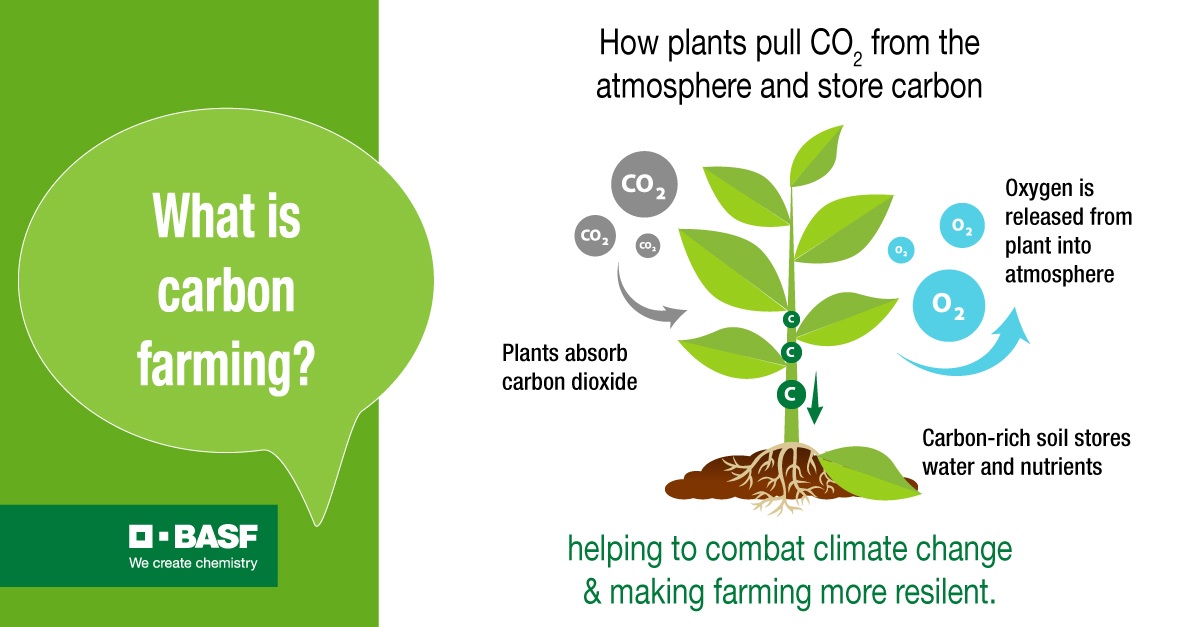
Climate change, with its far-reaching consequences, stands as one of the most pressing challenges facing humanity. While reducing greenhouse gas emissions remains paramount, growing interest has emerged in the potential of carbon farming – a suite of agricultural and forestry practices designed to capture and store atmospheric carbon, mitigating climate change and enhancing ecosystem health.

Understanding the Basics: Carbon Sequestration and Farming

Carbon sequestration refers to the long-term storage of carbon dioxide (CO2) from the atmosphere. Natural ecosystems, such as forests and oceans, play a crucial role in this process. Carbon farming aims to amplify these natural processes through deliberate agricultural and land-use practices.

Harnessing Nature’s Power: Key Carbon Farming Techniques

A variety of techniques under the umbrella of carbon farming have been developed, each with unique benefits and considerations:

1. Regenerative Grazing:

This method focuses on mimicking natural grazing patterns to promote soil health and carbon sequestration. Rotational grazing, where livestock are moved frequently between pastures, allows grazed areas to recover, reducing soil erosion and stimulating plant growth that draws down atmospheric carbon.

2. No-Till Farming:

By eliminating traditional tillage practices, no-till farming leaves crop residues on the soil surface, protecting it from erosion and enhancing microbial activity. This activity accelerates the breakdown of organic matter, increasing soil carbon content.

3. Cover Cropping:

Planting non-cash crops during fallow periods, known as cover crops, provides numerous benefits. They suppress weeds, improve soil structure, and add organic matter as they decompose, effectively sequestering carbon in the soil.

4. Agroforestry:

This practice integrates trees and shrubs into agricultural landscapes, creating diversified ecosystems that offer multiple benefits. Trees absorb significant amounts of CO2, while their roots improve soil fertility and reduce erosion. Agroforestry can also provide habitat for wildlife and enhance biodiversity.

5. Conservation Tillage:

This technique minimizes soil disturbance, allowing for greater carbon sequestration compared to conventional tillage practices. Practices like strip-till, where specific rows are tilled, are examples of conservation tillage.

6. Silvopasture:

Combining trees with grazing, silvopasture creates a mutually beneficial system. Trees provide shade and supplemental forage for livestock, while their roots improve soil health and sequester carbon. This practice enhances grassland productivity and resilience.

7. Biochar Application:

Biochar, a charcoal-like material produced from the pyrolysis of biomass waste, has a high carbon content and exceptional stability.

When incorporated into soil, biochar acts as a permanent carbon sink, improving soil structure, water retention, and nutrient availability.

Beyond Carbon Storage: Multiple Benefits of Carbon Farming

Carbon farming offers a range of environmental, social, and economic benefits beyond just climate change mitigation:

  • Enhanced Soil Health: Improved soil structure, fertility, and water holding capacity contribute to increased agricultural productivity and resilience.
  • Biodiversity Support: Many carbon farming techniques promote biodiversity by creating diverse habitats for plants and animals.
  • Water Quality Improvement: Reduced soil erosion and improved water infiltration through carbon farming practices help protect water resources from contamination.
  • Climate Resilience: Healthy, carbon-rich soils are more resilient to climate extremes, such as droughts and floods.

Economic Opportunities: Carbon Market and Beyond

Closure

We trust this article has provided clarity on Carbon Farming: Seeding the Future of Our Planet. Thank you for your attention to this article. Catch you in the next one!.

Farming With Finesse: Precision Agriculture Tools Revolutionize Crop Production

Farming with Finesse: Precision Agriculture Tools Revolutionize Crop Production
With thoughtful analysis, we traverse through the ideas of the interesting discussion around Farming with Finesse: Precision Agriculture Tools Revolutionize Crop Production. We will present thoughtful information and give the readers a fresh perspective.

Video about Farming with Finesse: Precision Agriculture Tools Revolutionize Crop Production

Farming with Finesse: Precision Agriculture Tools Revolutionize Crop Production

Farming with Finesse: Precision Agriculture Tools Revolutionize Crop Production

In an era of global food security concerns and climate change, agriculture faces unprecedented challenges. Traditional farming practices, often based on broad generalizations, struggle to optimize resource utilization and yields while minimizing environmental impact. Enter precision agriculture, a revolutionary approach leveraging technology to tailor farming practices to specific crop needs across a field.

Precision agriculture employs a suite of tools and technologies that enable farmers to gather, analyze, and act upon real-time data about their crops and fields. From drones capturing aerial imagery to soil sensors analyzing nutrient levels, these tools empower farmers to make informed decisions, optimize resource allocation, and ultimately increase profitability while minimizing environmental harm.

The Pillars of Precision Agriculture:

  • GPS-Guided Machinery: Gone are the days of guesswork and guesstimates. GPS-guided tractors, planters, and sprayers ensure accurate and repeatable application of inputs like seeds, fertilizers, and pesticides. This technology minimizes overlaps, reduces waste, and ensures precise placement of inputs where they are most needed.

  • Remote Sensing & Imagery: Drones, satellites, and aircraft equipped with multi-spectral cameras capture detailed images of fields, revealing crop health, water stress, pest infestations, and nutrient deficiencies. These images, analyzed using sophisticated software, create maps highlighting areas requiring specific interventions.

  • Soil Sensors: Embedded in the soil, these sensors provide real-time data on moisture levels, pH, nutrient content, and temperature. This information allows farmers to irrigate precisely, apply fertilizers only when and where needed, and optimize soil conditions for healthy crop growth.

  • Variable Rate Technology (VRT): Leveraging data from GPS, remote sensing, and soil sensors, VRT allows farmers to apply inputs like seeds, fertilizer, and pesticides at varying rates across the field. This targeted approach maximizes yields and resource utilization while minimizing waste and environmental impact.

  • Data Analytics & Farm Management Software: The wealth of data collected through these tools is processed and analyzed using sophisticated farm management software. This software generates insights into crop performance, identifies areas for improvement, and helps farmers make strategic decisions for optimal yields and profitability.

Benefits Beyond the Bottom Line:

  • Increased Yields & Profitability: By addressing specific crop needs and optimizing resource utilization, precision agriculture leads to higher yields and reduced input costs, directly impacting farm profitability.

  • Environmental Sustainability: Minimizing fertilizer and pesticide use through targeted application reduces runoff and groundwater contamination, promotes soil health, and conserves water resources, contributing to a more sustainable agricultural system.

  • Closure

    We hope this article has successfully illuminated key points regarding Farming with Finesse: Precision Agriculture Tools Revolutionize Crop Production. We are grateful for your time spent reading this. Look out for our next article!.

A Harvest Of Challenges: Exploring Farm Labor Trends In The USA

A Harvest of Challenges: Exploring Farm Labor Trends in the USA
We are overjoyed to immerse ourselves in the thought-provoking issue concerning A Harvest of Challenges: Exploring Farm Labor Trends in the USA. We will share essential insights and deliver fresh interpretations.

Video about A Harvest of Challenges: Exploring Farm Labor Trends in the USA

A Harvest of Challenges: Exploring Farm Labor Trends in the USA

A Harvest of Challenges: Exploring Farm Labor Trends in the USA

The fields that feed the nation face a critical turning point. Agriculture, a cornerstone of the American economy, grapples with a changing workforce, driven by factors like aging demographics, immigration policies, and evolving technological advancements. Understanding these trends is crucial for ensuring the future of American farming and food security.

1. The Greying of the Farm Workforce:

Rural America is experiencing an aging population, mirrored in the agriculture sector. The average age of farmworkers is steadily rising, exceeding 57 years old. This trend translates to a shrinking pool of experienced laborers and poses a significant challenge for farm operations, particularly for physically demanding tasks. As older generations retire, younger people are less drawn to the demanding lifestyle and lower wages offered by agricultural work, further exacerbating the labor shortage.

2. Immigration Policy and its Impact:

Historically, migrant farmworkers have played a vital role in filling labor gaps in the US agricultural industry. But recent changes in immigration policy and enforcement have created uncertainty and vulnerability for this crucial workforce. Heightened scrutiny and fear of deportation have led to reduced labor availability, impacting seasonal crops and overall farm productivity.

3. The Technological Revolution and Automation:

While technology promises increased efficiency and productivity, it also raises concerns about job displacement. Automated machinery, robotics, and precision agriculture are increasingly adopted in fields, potentially replacing human labor. This trend, though beneficial for large-scale operations, might further disadvantage smaller farms with limited resources to invest in automation, potentially widening the economic divide within the industry.

4. Labor Shortages and the Rising Cost of Labor:

The confluence of these trends has resulted in a persistent labor shortage in agriculture. This shortage pushes up wages, increasing operating costs for farmers and potentially raising food prices for consumers. The lack of readily available workers also forces many farms to rely on temporary or seasonal laborers, leading to inconsistent workforces and potential challenges in maintaining consistent quality and output.

5. Solutions and Strategies:

Addressing the complex challenges facing farm labor requires a multifaceted approach:

  • Immigration Reform: Providing legal pathways for farmworkers to contribute safely and securely is essential for ensuring a stable and reliable workforce.
  • Training and Education: Investing in training programs to equip young people with the skills necessary for agricultural jobs can help attract a new generation of workers. This includes promoting STEM education in rural communities, emphasizing the technical aspects of modern farming.
  • Improving Working Conditions: Enhancing wages, providing access to healthcare, and guaranteeing safe working conditions are crucial for attracting and retaining farmworkers.
  • Investing in Technology Responsibly: While automation can increase efficiency, it shouldn’t come at the expense of job displacement. Policymakers and industry leaders should focus on incorporating technology in a way that complements human labor and creates new opportunities.
  • Strengthening Support for Small Farms: Smaller farms often lack the resources to invest in automation. Targeted financial support and access to shared resources can help these farms remain competitive and resilient amidst labor challenges.

Looking Ahead:

The future of American agriculture hinges on its ability to adapt to evolving labor dynamics. Creative solutions, a focus on worker well-being, and responsible technological integration are crucial for ensuring a sustainable and bountiful harvest for years to come. The choices we make today will determine the strength and stability of our nation’s food system.

Closure

We trust this article has enriched your knowledge about A Harvest of Challenges: Exploring Farm Labor Trends in the USA. We hope you found this article useful and enlightening. Until the next article!.

A Future Grown Upwards: Exploring The Potential Of Vertical Farming

A Future Grown Upwards: Exploring the Potential of Vertical Farming
Today, we take the time to reflect upon the exciting subject of A Future Grown Upwards: Exploring the Potential of Vertical Farming. Our mission is to provide fascinating information and present a fresh point of view.

Video about A Future Grown Upwards: Exploring the Potential of Vertical Farming

A Future Grown Upwards: Exploring the Potential of Vertical Farming

A Future Grown Upwards: Exploring the Potential of Vertical Farming

The global population is projected to reach 9.7 billion by 2050, demanding a significant increase in food production. Traditional agriculture faces challenges in meeting this demand, including land scarcity, water stress, and environmental degradation. In response, vertical farming – a revolutionary approach to cultivation – is emerging as a promising solution for a sustainable food future. This innovative method involves growing crops in vertically stacked layers, typically within controlled indoor environments.

This article delves into the intricacies of vertical farming systems, examining their advantages, disadvantages, and the potential they hold for transforming the agriculture landscape.

The Anatomy of a Vertical Farm

Imagine a towering structure, not filled with office spaces but with rows of neatly arranged plants flourishing under artificial light. This is the essence of vertical farming. Unlike conventional agriculture, where crops are grown horizontally on extensive land plots, vertical farms optimize space by cultivating plants in a multitude of stacked layers.

Vertical farms employ a variety of growing mediums, including hydroponics, aeroponics, and aquaponics.

  • Hydroponics involves growing plants in nutrient-rich water solutions, eliminating the need for soil.
  • Aeroponics suspends plants in the air, spraying them directly with nutrient mist. This method boasts higher growth rates and water efficiency.
  • Aquaponics integrates fish farming with plant cultivation, utilizing the nutrient-laden wastewater from fish tanks as fertilizer for the plants. This symbiotic system promotes a closed-loop, sustainable environment.

Illuminating Growth: The Role of Artificial Light

Since vertical farms operate indoors, artificial lighting is crucial for simulating natural sunlight and driving photosynthesis. High-Intensity Discharge (HID) lamps, Light Emitting Diodes (LEDs), and fluorescent lights are commonly used, each with varying energy efficiencies and spectral outputs optimized for different plant species.

Climate Control: The Indoor Environment

Vertical farms maintain a meticulously controlled environment to ensure optimal growing conditions. Sophisticated climate control systems regulate temperature, humidity, air circulation, and CO2 levels. This allows farmers to cultivate crops year-round, irrespective of external weather conditions, and minimize the risk of pests and diseases.

Vertical Farming: A Boon for Sustainability

Vertical farming offers a compelling solution to several pressing agricultural challenges:

  • Land Use Efficiency: By growing upwards instead of outwards, vertical farms significantly reduce land requirements. This is particularly crucial in densely populated urban areas where farmland is scarce.

  • Water Conservation: Most vertical farming methods employ closed-loop systems, recirculating and reusing water. This drastically reduces irrigation needs compared to traditional agriculture.

  • Reduced Pesticide Use: The controlled indoor environment minimizes the risk of pest infestations, reducing the reliance on chemical pesticides and promoting healthier produce.

  • Freshness and Quality: By eliminating transportation distance, vertical farms deliver fresh, high-quality produce directly to consumers, minimizing spoilage and preserving nutritional value.

  • Closure

    We hope this article has successfully illuminated key points regarding A Future Grown Upwards: Exploring the Potential of Vertical Farming. We hope this information has been of value to you. Look out for our next article!.

Plucking Productivity: A Comprehensive Guide To Successful Poultry Farming

Plucking Productivity: A Comprehensive Guide to Successful Poultry Farming
Today marks an exciting opportunity to explore the fascinating theme of Plucking Productivity: A Comprehensive Guide to Successful Poultry Farming. Let’s present engaging details and offer the readers new perspectives.

Video about Plucking Productivity: A Comprehensive Guide to Successful Poultry Farming

Plucking Productivity: A Comprehensive Guide to Successful Poultry Farming

Plucking Productivity: A Comprehensive Guide to Successful Poultry Farming

Poultry farming, the raising of domesticated birds for meat, eggs, or feathers, can be a rewarding venture, offering fresh, high-quality produce and potential for profit. However, stepping into this industry requires careful planning, knowledge, and a commitment to best practices. This comprehensive guide aims to equip aspiring and existing poultry farmers with valuable tips to optimize their operations and achieve profitable outcomes.

1. Choosing the Right Breed:

The foundation of a successful poultry farm lies in selecting the appropriate breed. Consider your farming goals:

  • Meat production: Broilers, like Cornish Cross, grow rapidly and efficiently, reaching market weight within 6-8 weeks.
  • Egg production: Layers, such as Rhode Island Reds or Leghorns, are known for high egg production and excellent laying abilities.
  • Dual-purpose breeds: Breeds like Plymouth Rocks or Wyandottes offer a balance of meat and egg production, making them suitable for smaller-scale farms.
  • Climate suitability: Research breeds adapted to your local climate. Some breeds, like Mediterranean breeds, thrive in warm temperatures, while others, like Australorps, prefer cooler climates.

2. Housing & Environment:

Providing a safe, comfortable, and hygienic environment is crucial for bird health and productivity.

  • Space requirements: Ensure adequate space per bird to prevent overcrowding and promote natural behaviors.
  • Ventilation: Proper ventilation is essential for air circulation, temperature regulation, and controlling ammonia build-up.
  • Temperature control: Birds are sensitive to temperature extremes. Maintain ideal temperatures based on breed and age.
  • Lighting: Adequate lighting, typically 14-16 hours per day for layers and 20-22 hours for broilers, is essential for optimal egg production and growth.
  • Bedding: Use absorbent bedding materials like wood shavings or straw to maintain cleanliness and provide insulation.

3. Nutrition & Feeding:

A balanced and nutritious diet is vital for maximizing bird health, growth, and productivity.

  • Commercial feeds: Choose high-quality commercial feeds formulated for specific age groups and production purposes (layer mash, broiler starter/finisher).
  • Feeders & waterers: Invest in appropriate feeders and waterers to prevent feed spillage and ensure birds have constant access to fresh water.
  • Nutritional supplementation:

Consider adding supplements like calcium (for egg production) or probiotics to enhance bird health and immunity.

4. Health Management:

Preventing and managing diseases is crucial for a successful poultry farm.

    Closure

    Thus, we hope this article has revealed valuable insights on Plucking Productivity: A Comprehensive Guide to Successful Poultry Farming. Thank you for reading through our content. Stay tuned for our next article!.

The Mighty Rotation: Unlocking The Hidden Potential Of Crop Rotation

The Mighty Rotation: Unlocking the Hidden Potential of Crop Rotation
On this occasion, we are compelled to understand the compelling theme surrounding The Mighty Rotation: Unlocking the Hidden Potential of Crop Rotation. We aim to share meaningful data and bring fresh interpretations to the table.

Video about The Mighty Rotation: Unlocking the Hidden Potential of Crop Rotation

The Mighty Rotation: Unlocking the Hidden Potential of Crop Rotation

The Mighty Rotation: Unlocking the Hidden Potential of Crop Rotation

Agriculture, the backbone of human civilization, continuously seeks ways to optimize yield and maintain soil health in a sustainable manner. One such practice, deeply rooted in history yet continually evolving in its applications, is crop rotation.

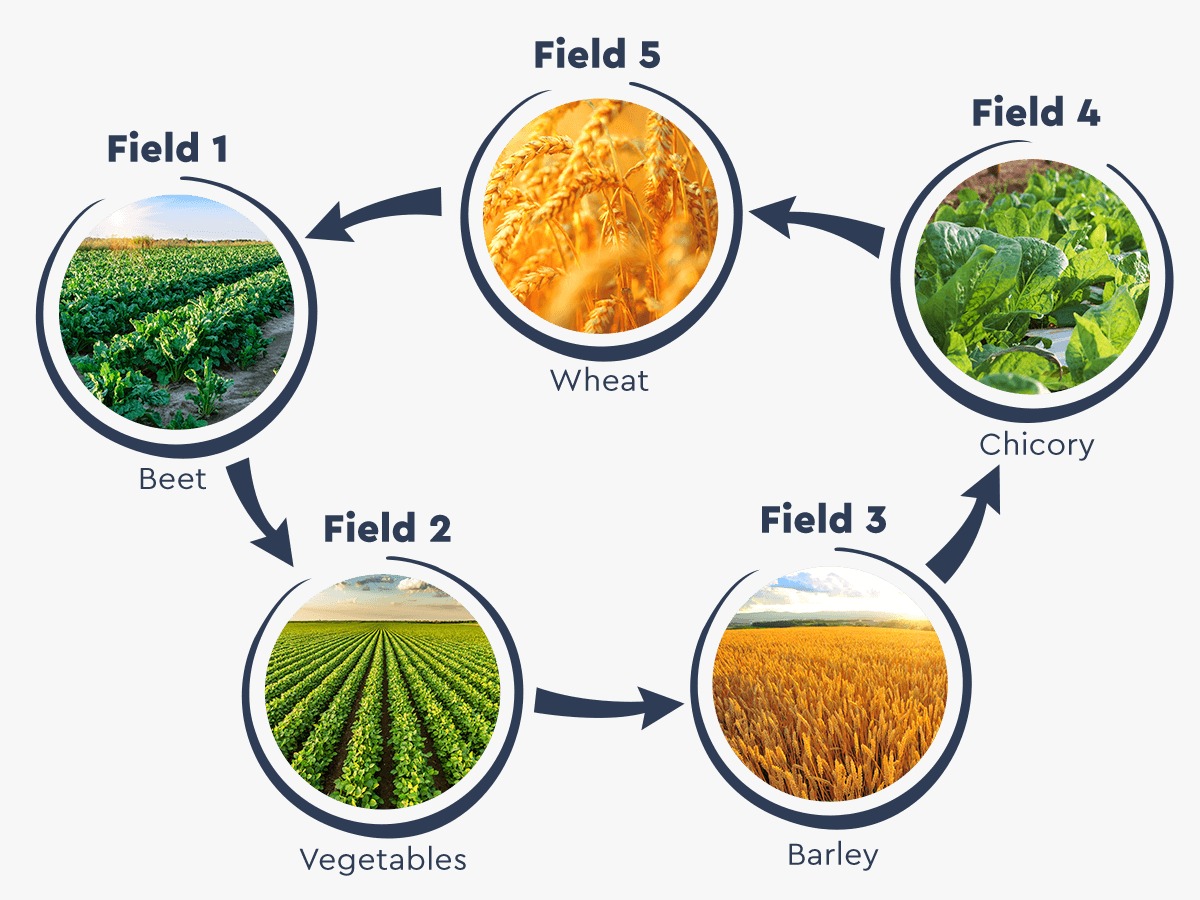
Far from a mere scheduling tool for farmers, crop rotation is a sophisticated agricultural technique that cycles different plant species through the same field over a period of time. This seemingly simple strategy unlocks a myriad of benefits, ranging from boosting soil fertility to thwarting pests and diseases, ultimately contributing to a more resilient and sustainable agricultural system.

Digging into the Soil: Building Fertility and Structure

At its core, crop rotation revolves around breaking the cycle of nutrient depletion. Different crops have unique nutrient requirements. While some, like corn, are heavy feeders, requiring copious amounts of nitrogen, others, such as legumes, fix nitrogen from the air into the soil, enriching it for subsequent crops. By strategically planting a diverse range of crops in rotation, farmers replenish the soil’s nutrient pool, reducing reliance on synthetic fertilizers and minimizing environmental impact.

Beyond nutrients, crop rotation significantly improves soil structure. Deep-rooted crops, like alfalfa or clover, penetrate deeply into the soil, aerating it and encouraging the development of healthy microbial communities. These microbes, essential for nutrient cycling and disease suppression, thrive in diverse environments created through rotation.

Conquer the Pests: Breaking the Disease Cycle

Crops often fall prey to specific pests and diseases that accumulate in the soil over time. Continuous planting of the same crop creates a haven for these pathogens, leading to ever-increasing infestation and diminished yields.

Crop rotation disrupts this cycle by interspersing susceptible crops with others that are resistant to the target pest or disease. This allows the natural balance to shift, weakening the pathogen’s foothold and reducing its impact on subsequent crops.

The Power of Diversity: Enhancing Resilience

In the face of climate change, unpredictable weather patterns, and increasing instances of pests and diseases, agricultural sustainability hinges on building resilience. Crop rotation, with its inherent diversity, acts as a powerful tool in this endeavor.

By cultivating a variety of crops, farmers create a more resilient ecosystem that can better withstand environmental stresses. Different crops have varying tolerances to drought, floods, and extreme temperatures. This diversity acts as a safety net, ensuring that at least some crops survive even during challenging conditions.

Beyond the Field: Economic and Environmental Benefits

The benefits of crop rotation extend far beyond the field. By reducing dependence on synthetic fertilizers and pesticides, farmers cut down on input costs while minimizing environmental pollution. Improved soil health contributes to water retention, reducing irrigation needs and conserving precious water resources.

Moreover, diversification through crop rotation can open up new market opportunities. Farmers can explore the cultivation of specialty crops, adding value and generating additional income streams.

Choosing the right Rotation: Factors to Consider

While crop rotation offers a plethora of benefits, its successful implementation depends on careful planning and consideration of several factors:

  • Climate and Soil Type: Different crops thrive in different environments. Understanding the local climate and soil characteristics is crucial for selecting suitable crops for rotation.

  • Crop Suitability: Not all crops are suitable for rotation together. Certain crops have complementary or antagonistic relationships with others, impacting their growth and yield.

  • Pest and Disease History: The past history of pests and diseases affecting the field should be taken into account when designing the rotation plan.

  • Market Demand: Farmers should consider the market demand for the crops they intend to grow in rotation to ensure profitability and marketability.

  • Closure

    We trust this article has offered useful information about The Mighty Rotation: Unlocking the Hidden Potential of Crop Rotation. We hope this article has been insightful and valuable. See you in the next one!.

Beyond The Bag: Exploring Sustainable Fertilizer Alternatives For Modern Farms

Beyond the Bag: Exploring Sustainable Fertilizer Alternatives for Modern Farms This exciting moment allows us to explore new dimensions of t...