Cultivating The Future: The Landscape Of Agricultural Education In The USA

Cultivating the Future: The Landscape of Agricultural Education in the USA
With a passion for learning, we approach the engaging matter around Cultivating the Future: The Landscape of Agricultural Education in the USA. We are ready to present fascinating information and offer unique insights.

Video about Cultivating the Future: The Landscape of Agricultural Education in the USA

Cultivating the Future: The Landscape of Agricultural Education in the USA

Cultivating the Future: The Landscape of Agricultural Education in the USA

Agriculture, the cornerstone of human civilization, continues to play a vital role in feeding, clothing, and fueling our nation. Yet, as technology advances and societal demands shift, the need for a skilled and knowledgeable agricultural workforce becomes increasingly crucial. Meeting this need falls squarely on the shoulders of agricultural education in the USA, a multifaceted system striving to equip the next generation with the tools they need to thrive in this dynamic field.

A Legacy of Learning:

Agricultural education in the US boasts a rich history, dating back to the establishment of the first agricultural colleges in the 19th century. Driven by a vision of improving farming practices and supporting rural communities, these institutions laid the groundwork for a comprehensive system encompassing formal schooling, hands-on training, and community outreach.

The landmark Smith-Hughes Act of 1917 brought structured vocational agriculture programs into public secondary schools, offering a unique blend of academic coursework and practical experience. This model, evolving over the decades, has become a cornerstone of agricultural education, providing students with a solid foundation in agricultural science, technology, and business management.

Morphing to Meet Modern Needs:

While traditional farming practices remain relevant, the agricultural landscape is undergoing a profound transformation. Technological advancements like precision agriculture, gene editing, and robotics are reshaping production methods, demanding new skills and knowledge from farmworkers. This necessitates a continual evolution of agricultural education to stay abreast with these changes.

Today, modern agricultural education programs are increasingly integrating these cutting-edge technologies into their curriculum. Students engage with software for data analysis, learn the principles of biotech, and gain hands-on experience with robotics and automation in the field. This equips them to navigate the technological advancements shaping the future of agriculture.

Beyond the Farm: Diverse Pathways & Opportunities:

The scope of agricultural education has expanded beyond the traditional image of the farmer. The growing complexities of the food system, rising demand for sustainable practices, and increasing urbanization present a wide array of career paths within the agricultural sector.

Programs now offer specializations in fields like agricultural biotechnology, food science, environmental conservation, agricultural economics, and agribusiness management. This diversification caters to the evolving needs of the industry and empowers students to explore diverse career options within the broad umbrella of agriculture.

Challenges and Opportunities:

Despite the progress made, agricultural education in the US faces several significant challenges.

1. Funding constraints: Public funding for vocational and technical education, including agriculture, has often been inconsistent and insufficient, limiting resources and impacting program quality.

2. Recruitment and Retention: Attracting qualified teachers and instructors to rural schools can be difficult, leading to a shortage of skilled educators in agricultural fields.

3. Bridging the Tech Gap: Ensuring equitable access to technology and training in emerging agricultural technologies across all educational levels remains a significant challenge, particularly in under-resourced communities.

4. Public Perception: Overcoming outdated stereotypes and demonstrating the relevance and dynamism of agricultural careers to a younger generation is crucial for attracting new talent.

These challenges present opportunities for innovation and collaboration. Public-private partnerships, increased emphasis on digital learning platforms, and targeted outreach initiatives can play a crucial role in addressing these issues and strengthening agricultural education.

Investing in the Future:

Investing in agricultural education is an investment in the future of our nation’s food security, economic stability, and environmental sustainability. By equipping future generations with the knowledge, skills, and adaptability to navigate the evolving agricultural landscape, we can ensure a prosperous and resilient future for our food systems and rural communities.

Through continued support, innovation, and a commitment to excellence, agricultural education in the USA can empower the next generation of innovators, entrepreneurs, and leaders who will shape the future of agriculture and contribute to a more sustainable and equitable world.

Closure

We hope this article has provided a clearer view on Cultivating the Future: The Landscape of Agricultural Education in the USA. We hope you found this article valuable. See you again in our upcoming article!.

A Sustainable Harvest: Innovative Solutions For Farm Waste Management

A Sustainable Harvest: Innovative Solutions for Farm Waste Management
It is with careful attention that we proceed into the engaging theme of A Sustainable Harvest: Innovative Solutions for Farm Waste Management. We aim to bring insightful facts and offer different angles to the readers.

Video about A Sustainable Harvest: Innovative Solutions for Farm Waste Management

A Sustainable Harvest: Innovative Solutions for Farm Waste Management

A Sustainable Harvest: Innovative Solutions for Farm Waste Management

Modern agriculture produces an astonishing amount of waste. From animal manure to crop residues, food processing byproducts, and plastic packaging, the environmental footprint of farming is significant. Left unmanaged, this waste can pollute waterways, contribute to greenhouse gas emissions, and degrade soil health.

But the good news is that innovative solutions are emerging to transform farm waste from a liability into a valuable resource, paving the way for a more sustainable agricultural future.

Understanding the Problem

Globally, farms generate vast quantities of waste. According to the Food and Agriculture Organization of the United Nations (FAO), manure from livestock production alone totals over 1.3 billion tonnes annually. This waste, if not properly managed, can lead to:

  • Water Pollution: Excess nutrients from manure can leach into groundwater and surface water, causing algal blooms, depleting oxygen, and harming aquatic life.
  • Greenhouse Gas Emissions: Decomposing manure releases methane, a potent greenhouse gas contributing to climate change.
  • Soil Degradation: Improper manure application can lead to soil compaction, salinization, and imbalances in nutrient levels, negatively affecting crop yields.
  • Health Risks: Pathogens in untreated manure can spread diseases to humans and animals, posing a public health threat.
  • Landfill Overload: In many cases, agricultural waste ends up in landfills, further exacerbating environmental problems associated with waste disposal.

Transforming Waste: Innovative Solutions

Beyond traditional methods like composting and land application, a growing number of innovative solutions are transforming farm waste into valuable resources:

1. Anaerobic Digestion: This process uses bacteria to break down organic waste in the absence of oxygen, producing biogas (primarily methane) and digestate.

  • Benefits:
    • Renewable Energy: Biogas can be captured and used as fuel for heating, electricity generation, or transportation.
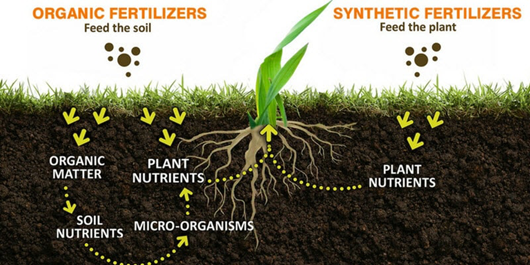
    • Nutrient-Rich Fertilizer: Digestate is a valuable fertilizer that can enhance soil fertility and reduce reliance on synthetic inputs.
    • Reduced Greenhouse Gas Emissions: Anaerobic digestion captures methane emissions that would otherwise be released into the atmosphere.

2. Vermicomposting: This environmentally friendly method utilizes earthworms to decompose organic waste, creating nutrient-rich vermicompost.

  • Benefits:
    • Reduced Waste Volume: Vermicomposting significantly reduces the volume of organic waste generated.
    • High-quality Fertilizer: Vermicompost is an excellent soil amendment, improving soil structure, water retention, and nutrient availability.
  • Closure

    Thus, we hope this article has revealed valuable insights on A Sustainable Harvest: Innovative Solutions for Farm Waste Management. We are thankful for your engagement. Stay tuned for our next article!.

Cultivating The Future: A Closer Look At Farming Workshops Across The USA

Cultivating the Future: A Closer Look at Farming Workshops Across the USA
We are captivated as we dig deeper into the interesting discussion around Cultivating the Future: A Closer Look at Farming Workshops Across the USA. We will present thoughtful information and give the readers a fresh perspective.

Video about Cultivating the Future: A Closer Look at Farming Workshops Across the USA

Cultivating the Future: A Closer Look at Farming Workshops Across the USA

Cultivating the Future: A Closer Look at Farming Workshops Across the USA

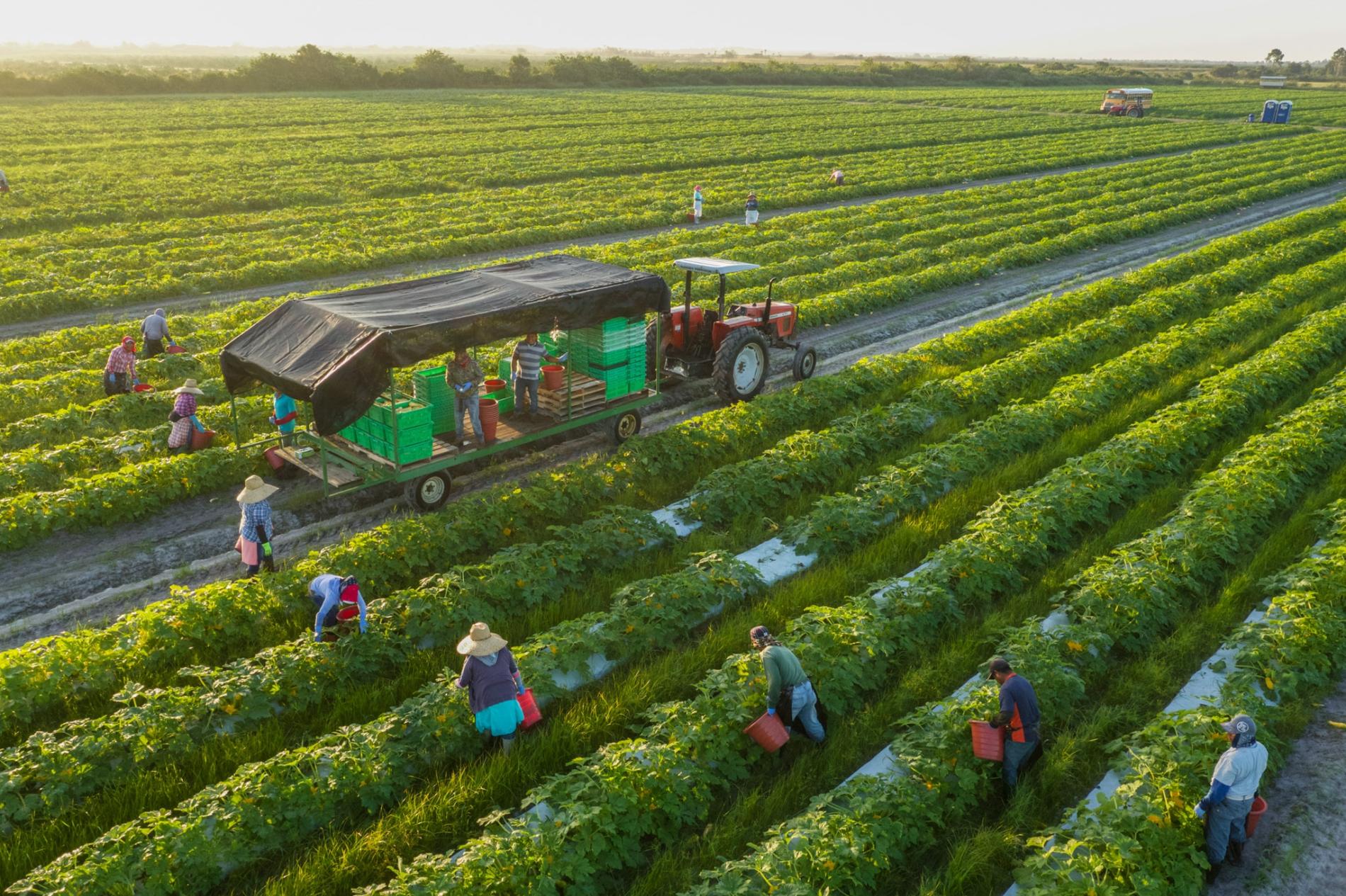
The United States, with its vast agricultural landscape, is witnessing a revitalization of interest in farming. From seasoned producers seeking new techniques to urban dwellers dreaming of self-sufficiency, a growing number of individuals are turning to workshops to gain valuable knowledge and skills. These immersive learning experiences offer a hands-on approach, bridging the gap between theoretical knowledge and practical application.

Farming workshops encompass a wide range of disciplines, catering to diverse interests and skill levels. Whether it’s the art of organic vegetable gardening, the intricacies of raising livestock, or mastering permaculture principles, there’s a workshop to suit every aspiring farmer.

Types of Farming Workshops:

  • Gardening Workshops: These workshops delve into the basics of soil health, seed selection, planting techniques, pest control, and harvesting. Topics often include organic gardening, raised bed construction, composting, and identifying and managing common garden pests.
  • Livestock Workshops: From raising chickens and goats to beekeeping and sheep farming, livestock workshops provide comprehensive guidance on selecting appropriate breeds, constructing housing, feeding, health management, and marketing products.
  • Permaculture Workshops: Focusing on sustainable and holistic land management techniques, permaculture workshops explore principles like soil fertility, water conservation, biodiversity, and creating self-sustaining ecosystems. Participants learn how to design and implement permaculture systems for food production, energy efficiency, and ecological balance.
  • Small-scale Farming Workshops: These workshops equip individuals with the knowledge and skills to start and manage small-scale farms effectively. They cover topics like crop planning, business planning, marketing strategies, farm finance, and resource management.

Benefits of Attending Farming Workshops:

  • Gain Practical Knowledge: Workshops offer a unique opportunity to learn by doing, engaging in hands-on activities and receiving direct instruction from experienced farmers and experts.
  • Network with Fellow Learners: Workshops create a space for farmers, aspiring farmers, and enthusiasts to connect, share experiences, and build a supportive community.
  • Access Specialized Expertise: Workshops often feature experts in specific fields who provide in-depth knowledge and guidance on niche topics.
  • Stay Up-to-Date: Workshops help participants stay informed about the latest trends, technologies, and best practices in farming.

Finding Farming Workshops in the USA:

  • Local Agricultural Extension Offices: These state-run offices offer a wealth of resources, including workshops and educational programs, tailored to the specific needs of local farmers.
  • Colleges and Universities: Many agricultural colleges and universities host workshops and short courses on various farming topics.
  • Farming Organizations: National and regional farming organizations, such as the Farm Bureau or the Rodale Institute, often organize workshops and conferences for their members and the public.
  • Online Platforms: Several online platforms aggregate information about farming workshops across the country.

Tips for Choosing a Farming Workshop:

  • Define Your Goals: Be clear about the skills and knowledge you want to acquire.
  • Research Instructors: Look for workshops led by experienced farmers or experts with relevant credentials.
  • Read Reviews: Check online reviews and testimonials from past participants.
  • Consider Location and Logistics: Ensure the workshop location is accessible and the program schedule aligns with your availability.
  • Closure

    We hope this article has provided useful information on Cultivating the Future: A Closer Look at Farming Workshops Across the USA. We appreciate your focus and attention. Catch you in the next one!.

From Field To Fork: A Deep Dive Into The Farm-to-Table Movement

From Field to Fork: A Deep Dive into the Farm-to-Table Movement
With enthusiasm, let’s navigate through the thought-provoking issue of From Field to Fork: A Deep Dive into the Farm-to-Table Movement. We will uncover relevant details and supply readers with innovative outlooks.

Video about From Field to Fork: A Deep Dive into the Farm-to-Table Movement

From Field to Fork: A Deep Dive into the Farm-to-Table Movement

From Field to Fork: A Deep Dive into the Farm-to-Table Movement

The farm-to-table movement has become a ubiquitous term in culinary discourse, appearing on menus, in marketing campaigns, and even splashed across high-end supermarket signage. While the phrase conjures images of idyllic countryside landscapes and wholesome meals, the movement represents much more than a trendy culinary concept. It’s a powerful force reshaping our relationship with food, agriculture, and our environment, bringing with it a complex web of social, economic, and environmental considerations.

This comprehensive exploration delves deep into the origins, motivations, benefits, challenges, and future of the farm-to-table movement, unearthing its multifaceted impact on our food system and society as a whole.

1. The Seeds of Change: Unpacking the Genesis of Farm-to-Table

The farm-to-table movement, despite its contemporary feel, has roots stretching back centuries. From local farmers markets to community-supported agriculture (CSA) programs, the desire to connect with the source of our food has always existed. However, the movement as we know it today gained significant momentum in the mid-20th century, fueled by a confluence of factors:

  • A Growing Disconnect: The industrialization of agriculture, with its focus on mass production and centralized distribution networks, led to a widening gap between consumers and the origin of their food.

  • The Back-to-the-Land Mystique: A counterculture movement in the 1960s and 70s emphasized self-sufficiency and a return to traditional values, sparking a renewed interest in local agriculture.

  • Health and Environmental Concerns: Growing awareness of the potential health risks associated with industrial farming practices, including pesticide use and antibiotic resistance, coupled with concerns about the environmental impact of large-scale agriculture, fueled a desire for more sustainable and ethical food choices.

2. The Culinary Revolution: Farm-to-Table on the Menu

The culinary world embraced the farm-to-table ethos in the late 20th century, seeing it as a way to elevate dining experiences and foster a deeper appreciation for seasonal ingredients. Restaurants began to prioritize sourcing their produce and other ingredients directly from local farms, highlighting the freshest, most flavorful offerings available.

This shift sparked a culinary revolution, elevating the status of seasonal cooking and championing the use of local, sustainably grown ingredients. Chefs began to forge direct relationships with farmers, collaborating to develop dishes that showcased the unique flavors of their region.

3. Beyond the Plate: The Broader Impact of Farm-to-Table

The farm-to-table movement extends far beyond its impact on our plates. Its ripple effects reverberate throughout the agricultural landscape, impacting farming practices, rural economies, and environmental sustainability.

  • Supporting Local Farms: By prioritizing local sourcing, farm-to-table practices create sustainable markets for small-scale farmers, helping them thrive in a competitive industry.

  • Promoting Sustainable Agriculture: The emphasis on seasonality, reduced transportation distances, and often organic farming practices encourages more environmentally sustainable agricultural methods.

  • Building Community Resilience: Strengthening the connection between local consumers and producers fosters a sense of community ownership and resilience, ensuring a more stable local food system.

    Closure

    Thus, we hope this article has revealed valuable insights on From Field to Fork: A Deep Dive into the Farm-to-Table Movement. We are thankful for your engagement. Stay tuned for our next article!.

Taking Flight: How Agricultural Drones Are Revolutionizing Farming

Taking Flight: How Agricultural Drones Are Revolutionizing Farming
With great pleasure, we will explore the captivating subject concerning Taking Flight: How Agricultural Drones Are Revolutionizing Farming. Let’s dive into essential details and provide readers with new angles.

Video about Taking Flight: How Agricultural Drones Are Revolutionizing Farming

Taking Flight: How Agricultural Drones Are Revolutionizing Farming

Taking Flight: How Agricultural Drones Are Revolutionizing Farming

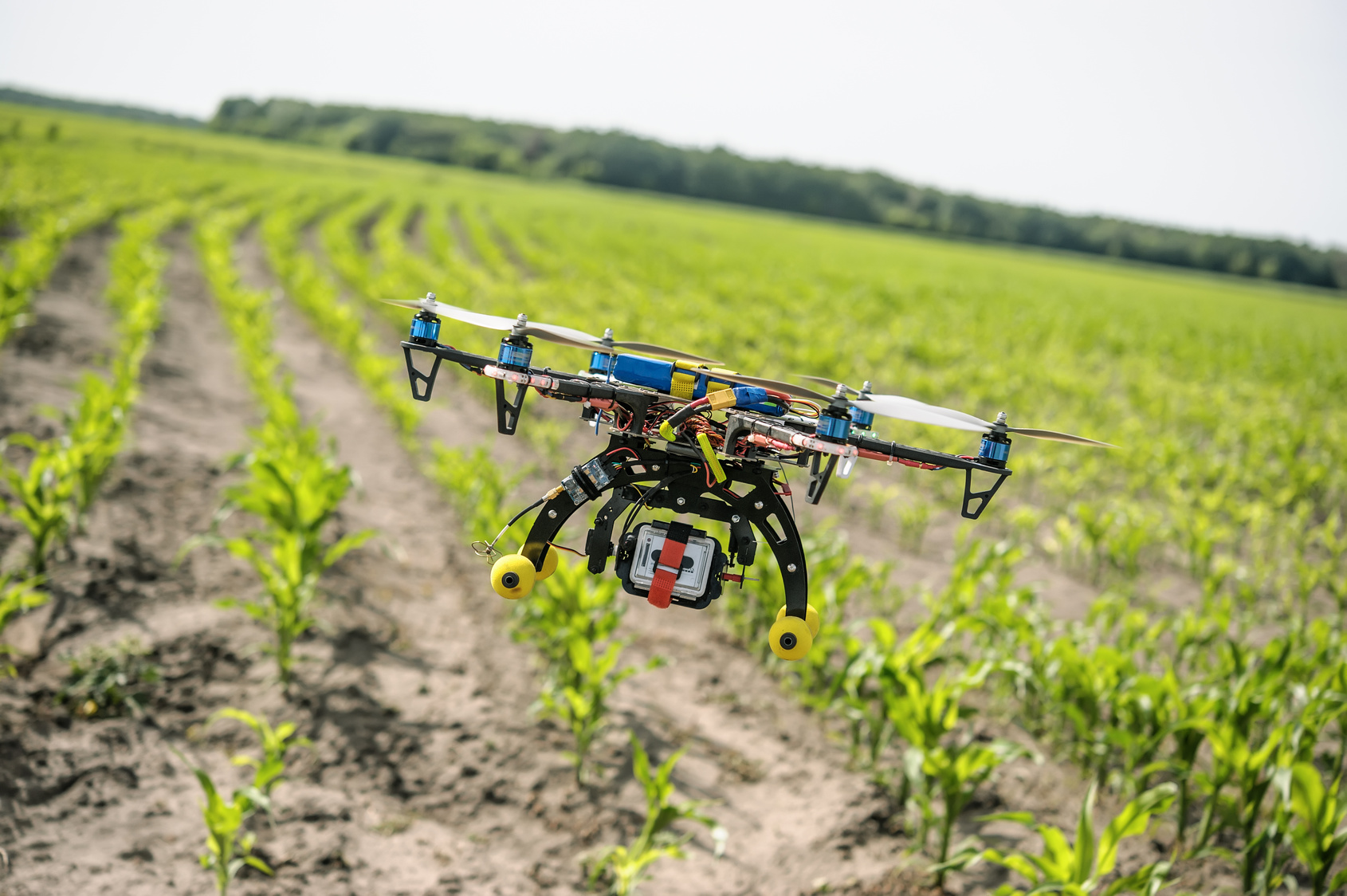
Agriculture, the backbone of human civilization, has long relied on tradition and human labor. However, the past few decades have witnessed a technological revolution sweeping through the sector, driven by advancements in automation and data analysis. Among the most impactful innovations are agricultural drones, unmanned aerial vehicles (UAVs) specifically designed to assist farmers in managing their land and crops more efficiently and sustainably.

This article delves into the multifaceted world of agricultural drones, exploring their diverse applications, benefits, challenges, and the future they hold for the global food supply.

A Sky-High Perspective on Farming: Applications of Agricultural Drones

Agricultural drones, equipped with advanced cameras, sensors, and software, offer a unique aerial perspective of the farm, enabling farmers to collect valuable data and perform a wide range of tasks:

  • Crop Monitoring and Health Assessment: Drones equipped with multispectral and hyperspectral cameras can detect subtle variations in plant health, identifying stressed or diseased areas long before they become visible to the human eye. This early detection allows for timely intervention, minimizing crop loss and optimizing resource allocation.

  • Precision Spraying and Fertilizer Application: Drones can precisely target areas requiring treatment, reducing overall chemical usage and minimizing its environmental impact. By applying fertilizers and pesticides only where needed, farmers can save money, protect beneficial insects and wildlife, and ensure optimal plant growth.

  • Precision Irrigation: Drones equipped with sensors can map soil moisture levels and identify areas requiring irrigation. This data allows for targeted watering, conserving water resources and reducing the risk of over-watering or drought stress.

  • Yield Estimation and Crop Mapping: Drones can capture high-resolution images of fields, which can be analyzed to estimate crop yield and identify potential areas of improvement. This data-driven approach helps farmers make informed decisions about planting, harvesting, and future crop selection.

  • Livestock Monitoring: Drones can monitor livestock grazing patterns, identify sick or injured animals, and help manage herd health. This real-time monitoring can significantly improve animal welfare and increase overall herd efficiency.

  • Field Mapping and Terrain Analysis: Drones can accurately map fields, identifying topographical features, drainage patterns, and potential areas for improvement. This detailed information is essential for planning land management strategies, optimizing resource allocation, and enhancing overall farm productivity.

The Buzz Around Drones: Benefits for Farmers and the Environment

The adoption of agricultural drones brings a multitude of benefits to farmers and the environment:

  • Increased Efficiency and Productivity: Drones automate time-consuming tasks, freeing up farmers to focus on higher-value activities. This increased efficiency leads to higher yields, reduced labor costs, and improved overall farm profitability.

    Closure

    We hope this article has shed light on important aspects of Taking Flight: How Agricultural Drones Are Revolutionizing Farming. We hope this article has been insightful and useful to you. See you in our next article!.

Dancing With The Cosmos: Exploring The Philosophy And Practice Of Biodynamic Farming

Dancing with the Cosmos: Exploring the Philosophy and Practice of Biodynamic Farming
With open minds, we venture into the interesting discussion of Dancing with the Cosmos: Exploring the Philosophy and Practice of Biodynamic Farming. Let’s gather meaningful insights and present fresh perspectives for the readers.

Video about Dancing with the Cosmos: Exploring the Philosophy and Practice of Biodynamic Farming

Dancing with the Cosmos: Exploring the Philosophy and Practice of Biodynamic Farming

Dancing with the Cosmos: Exploring the Philosophy and Practice of Biodynamic Farming

Biodynamic farming, a holistic agricultural system rooted in the ideas of Austrian philosopher Rudolf Steiner, stands apart from conventional and organic approaches. It embraces a deep respect for the interconnectedness of all life, weaving together ecological, astronomical, and spiritual principles into a unique tapestry of sustainable practices.

Steiner’s Vision: A Farm as a Living Organism

In the early 20th century, Steiner, known for his work in anthroposophy, envisioned agriculture moving beyond purely physical concerns and recognizing the farm as a complex, interconnected organism.

He argued that conventional farming methods, which focus solely on manipulating soil and plants through chemical inputs, disrupt the natural balance and weaken the inherent vitality of the land. Biodynamic farming, by contrast, seeks to cultivate harmony between the natural world and human intervention, nurturing not just the soil and plants, but the entire farm ecosystem. This includes animals, beneficial microorganisms, and even the forces of nature.

Key Principles:

The foundation of biodynamic farming is a set of eight core preparations, known as the biodynamic "preparations" or "triturates." These are based on specific herbs, minerals, and animal manure composted in particular ways. Applied to farmland through either soil or foliar applications, they aim to:

  • Enhance soil fertility and structure: Preparations like compost and manure compost activate microbial life in the soil, promoting healthy nutrient cycling and soil structure.

  • Strengthen plant vitality: Preparations like horn manure and silica stimulate plant immunity and resistance to pests and diseases.

  • Tone the rhythm of the farm: Preparations like the "horn hornseed" are biodynamically timed throughout the seasons, activating the farm’s energy according to celestial rhythms.

Beyond the Preparations: A Holistic Approach:

While the preparations are central to biodynamic practice, they represent only one aspect of a far more holistic system.

1. Farming as Harmony:

  • Crop Rotation: Diverse and complex crop rotations mimic natural ecosystems, helping conserve soil health and break pest cycles.
  • Mixed Farming: Integrating livestock grazing with arable farming creates a closed-loop system where animal manure nourishes the soil, and crop residues feed the animals.
  • Composting and Waste Recycling: All farm waste – from crops to animal manure – is carefully composted, reducing waste and enriching the soil.
  • Agroforestry: Planting trees and shrubs integrated into the farming landscape provides habitat for beneficial insects, windbreaks, and additional food sources.

    2. Connected to the Cosmos:

Closure

Thus, we hope this article has successfully explored Dancing with the Cosmos: Exploring the Philosophy and Practice of Biodynamic Farming. Thank you for reading our work. See you in the next article!.

The Rise Of The Local Farm: Cultivating Community And Sustainability In The USA

The Rise of the Local Farm: Cultivating Community and Sustainability in the USA
With an inquisitive mindset, we dive into the exciting subject of The Rise of the Local Farm: Cultivating Community and Sustainability in the USA. Our mission is to provide fascinating information and present a fresh point of view.

Video about The Rise of the Local Farm: Cultivating Community and Sustainability in the USA

The Rise of the Local Farm: Cultivating Community and Sustainability in the USA

The Rise of the Local Farm: Cultivating Community and Sustainability in the USA

Across the vast expanse of the United States, a quiet revolution is taking root. It’s a movement rooted in soil, nourished by community, and fueled by a growing desire for sustainable living. This is the story of local farming initiatives, a blossoming network of farmers markets, community gardens, and farm-to-table restaurants, reshaping the agricultural landscape and nourishing communities from sea to shining sea.

From Field to Family Table: The Growing Appeal of Local Food

The surge in popularity of local food isn’t solely driven by a romanticized picture of rural life. It’s a response to a multifaceted need for change. Consumers are increasingly conscious of the environmental impact of industrial agriculture, with its reliance on fossil fuels, heavy pesticide use, and long-distance transportation. They yearn for fresh, flavorful produce, knowing exactly where it came from and how it was grown. Locally-sourced food often boasts a superior taste, riper at harvest and less time spent in transit, which translates to greater nutritional value.

Furthermore, local farms provide a vital economic boost to communities. Money spent at farmers markets and farm stands stays within the local economy, supporting farmers, artisans, and ancillary businesses. This creates jobs, strengthens community ties, and fosters a sense of self-reliance.

Transforming Landscape: Diverse Approaches to Local Farming

The tapestry of local farming initiatives is woven with diverse threads, each contributing to the vibrant whole.

  • Farmers Markets: A vibrant heartbeat of many towns and cities, farmers markets showcase the bounty of local farms, offering a direct connection between producer and consumer. From bustling Saturday morning markets to smaller, community-driven events, these spaces foster a sense of camaraderie and showcase the diversity of local produce.

  • Community Supported Agriculture (CSA): This model builds vibrant relationships between farmers and consumers. With a CSA subscription, individuals or families receive a regular share of the farm’s harvest throughout the growing season. It provides farmers with upfront capital and guarantees a market for their produce, while subscribers enjoy fresh, seasonal food and a deeper connection to their food sources.

  • Urban Farming: Urban green spaces are undergoing a transformation, becoming fertile grounds for urban farms and community gardens. Rooted in dense city environments, these initiatives tackle food insecurity, promote access to fresh produce, and create green oases amidst concrete jungles.

  • Farm-to-Table Restaurants: Elevating the culinary experience, farm-to-table restaurants prioritize sourcing ingredients directly from local farms. This emphasis on fresh, seasonal produce creates dishes bursting with flavor while supporting local farmers and fostering a sustainable food system.

  • Agritourism: Connecting consumers with the farm experience, agritourism ventures offer a glimpse into the world of agriculture. From pumpkin patches to farm tours to picking-your-own berries, these initiatives provide educational opportunities and strengthen the relationship between consumers and their food sources.

Overcoming Challenges: Building a Sustainable Future for Local Farming

While the movement towards local farming is gaining momentum, several challenges remain.

  • Land Access: Securing affordable land for farming, particularly in urban and suburban areas, is a significant obstacle. Innovative solutions like community land trusts and urban farming initiatives are tackling this challenge, reclaiming underutilized spaces for agricultural purposes.

  • Closure

    We hope this article has shed some light on The Rise of the Local Farm: Cultivating Community and Sustainability in the USA. We appreciate your time in reading this article. See you in the next article!.

Beyond The Bag: Exploring Sustainable Fertilizer Alternatives For Modern Farms

Beyond the Bag: Exploring Sustainable Fertilizer Alternatives for Modern Farms This exciting moment allows us to explore new dimensions of t...