Growing Green At Home: Your Guide To Hydroponic Farming

Growing Green at Home: Your Guide to Hydroponic Farming
It is with great interest that we analyze the interesting theme surrounding Growing Green at Home: Your Guide to Hydroponic Farming. Let’s share key insights and offer new perspectives for the readers.

Video about Growing Green at Home: Your Guide to Hydroponic Farming

Growing Green at Home: Your Guide to Hydroponic Farming
Growing Green at Home: Your Guide to Hydroponic Farming

Imagine a lush, verdant garden flourishing indoors, regardless of the external weather or your yard space. This isn’t a scene from a fantasy novel, but the reality of hydroponic farming – a revolutionary method of growing plants without soil. With its potential for year-round production, water conservation, and delicious, pesticide-free produce, hydroponics is gaining popularity amongst home gardeners and urban dwellers alike.

This comprehensive guide will delve into the world of hydroponic farming, empowering you to cultivate your own indoor oasis.

Understanding Hydroponics

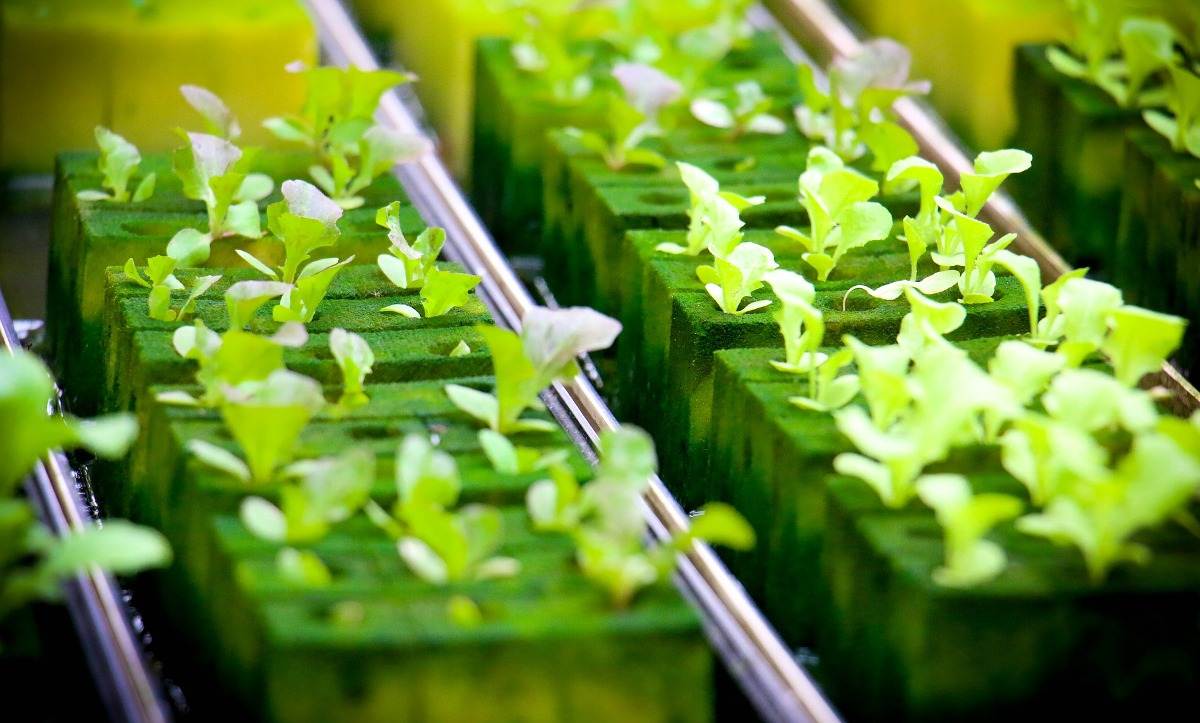
Hydroponics is a soil-less gardening technique where plants are grown in a nutrient-rich water solution. Instead of relying on the natural elements found in soil, plants absorb essential nutrients directly from the water, allowing for faster growth rates and larger yields.

The Advantages of Hydroponic Farming at Home

1. Space-Saving Solution: Hydroponic systems can be tailored to fit any indoor space, be it a sunny windowsill, a dedicated room, or even a vertical wall. This makes it an ideal option for homes with limited outdoor areas.

2. Year-Round Gardening: Say goodbye to seasonal limitations. With hydroponics, you can cultivate fresh produce year-round, regardless of the weather outside.

3. Water Conservation: Hydroponic systems utilize water efficiently. Water is recirculated and reused, minimizing wastage and contributing to water conservation efforts.

4. Faster Growth Rates: Plants grown hydroponically tend to grow faster and produce larger yields compared to traditional soil-based gardening.

5. Reduced Pestilence and Disease: The controlled environment of hydroponics minimizes the risk of soil-borne pests and diseases, reducing the need for chemical pesticides.

6. Enhanced Nutritional Value: Some studies suggest that hydroponically grown produce may have higher levels of certain nutrients compared to soil-grown crops.

7. Control Over Growing Conditions: Hydroponics offers precise control over nutrient levels, pH, temperature, and humidity, allowing for optimal plant growth.

Types of Hydroponic Systems

There are several hydroponic systems to choose from, each with its own unique features and benefits.

1. Deep Water Culture (DWC): This simple system involves submerging plant roots in a nutrient-rich solution. An air pump continuously aerates the solution, providing oxygen to the roots.

2. Nutrient Film Technique (NFT): In NFT systems, a thin film of nutrient solution flows continuously over the plant roots, providing a steady supply of nutrients.

3. Drip System: Drip systems deliver nutrient solution directly to the plant roots through a network of tubes and emitters. This method is highly efficient and allows for precise watering.

4. Wick System: A passive system where a wick draws nutrient solution from a reservoir up to the plant roots. It’s a beginner-friendly option that requires minimal maintenance.

5. Aeroponics: Plants are suspended in the air, with their roots periodically sprayed with a nutrient mist. This system promotes excellent root aeration and rapid growth.

Essential Components of a Home Hydroponic System

1. Grow Lights: Since most hydroponic setups are indoors, artificial lighting is essential to provide plants with the necessary light energy for photosynthesis. LED grow lights are a popular choice due to their energy efficiency and long lifespan.

2. Nutrient Solution: A carefully formulated mixture of essential nutrients, including nitrogen, phosphorus, potassium, and micronutrients, is crucial for plant growth and development.

3. Water Pump: A small water pump is necessary to circulate the nutrient solution in systems like DWC and NFT.

4. Air Pump and Stones: An air pump with air stones is used to oxygenate the nutrient solution in systems where roots are submerged, promoting healthy root growth.

5. Reservoir: A container to hold the nutrient solution, typically made of plastic or stainless steel.

6. Growing Medium (optional): While not strictly necessary in some hydroponic methods, a growing medium like perlite, coco coir, or rockwool can provide support for plants and improve nutrient retention.

Setting Up Your Hydroponic System

1. Choose Your System: Based on your space, budget, and gardening experience, select a hydroponic system that best suits your needs.

2. Gather Your Materials: Acquire all the necessary components, including grow lights, nutrient solution, pumps, and a reservoir.

Closure

We hope this article has provided a clearer view on Growing Green at Home: Your Guide to Hydroponic Farming. We greatly appreciate your attention to our work. See you again in our upcoming article!.

Cultivating The Future: A Deep Dive Into Sustainable Farming Practices

Cultivating the Future: A Deep Dive into Sustainable Farming Practices
With enthusiasm, let’s navigate through the absorbing topic related to Cultivating the Future: A Deep Dive into Sustainable Farming Practices. We are here to share insightful data and provide a fresh perspective for readers.

Video about Cultivating the Future: A Deep Dive into Sustainable Farming Practices

Cultivating the Future: A Deep Dive into Sustainable Farming Practices

Cultivating the Future: A Deep Dive into Sustainable Farming Practices

The global food system faces unprecedented challenges. A burgeoning population, climate change, and dwindling natural resources demand a fundamental shift in how we grow our food. Enter sustainable farming, an approach that strives to nourish our planet and people while ensuring agricultural prosperity for future generations. This article delves into the core principles of sustainable farming, exploring its diverse practices and highlighting its vital role in securing a healthier, more equitable food future.

Understanding the Imperative: Defining Sustainable Farming

Sustainable farming transcends the conventional notion of simply producing agricultural goods. It encompasses a holistic philosophy that integrates environmental, social, and economic considerations. At its heart lies the principle of balancing productivity with the preservation of natural resources, fostering biodiversity, and ensuring the well-being of farmers and communities.

Key Pillars of Sustainable Farming

Sustainable farming practices address three interwoven pillars:

  1. Environmental Sustainability:

    Protecting and enhancing the health of our ecosystems is paramount. This encompasses practices like:

  • Conservation tillage: Minimizing soil disturbance through reduced or no-till farming methods, promoting soil health, water retention, and carbon sequestration.
  • Crop rotation: Alternating diverse crops in a field to break pest cycles, improve soil fertility, and reduce reliance on synthetic fertilizers.
  • Integrated Pest Management (IPM): Using a combination of biological, cultural, and chemical methods to control pests, minimizing pesticide use and its harmful impacts.
  • Water conservation: Implementing efficient irrigation systems, rainwater harvesting, and drought-tolerant crop varieties to conserve precious water resources.
  • Biodiversity promotion: Creating habitats for beneficial insects, birds, and other wildlife within and around farms, fostering a resilient and diverse ecosystem.
  1. Social Sustainability:

Enshrining social equity and fairness within the food system is crucial. Sustainable farming promotes:

  • Fair wages and working conditions: Ensuring that farm workers receive fair compensation, safe working conditions, and access to essential services.
  • Community engagement: Encouraging collaboration between farmers, consumers, and local communities to build resilient food systems and support local economies.
  • Access to healthy food: Promoting fair access to nutritious food for all individuals, regardless of their socioeconomic status.
  1. Economic Sustainability:
  2. Closure

    We hope this article has provided a thorough understanding of Cultivating the Future: A Deep Dive into Sustainable Farming Practices. We appreciate your attention to this article. Stay tuned for more articles!.

The Unwavering Roots: Examining The Crucial Role Of Family-Owned Farms In The US

The Unwavering Roots: Examining the Crucial Role of Family-Owned Farms in the US
This occasion gives us the chance to delve into the absorbing discussion on The Unwavering Roots: Examining the Crucial Role of Family-Owned Farms in the US. Let’s gather and share meaningful details and offer the readers a fresh perspective.

Video about The Unwavering Roots: Examining the Crucial Role of Family-Owned Farms in the US

The Unwavering Roots: Examining the Crucial Role of Family-Owned Farms in the US

The Unwavering Roots: Examining the Crucial Role of Family-Owned Farms in the US

Across the vast and vibrant tapestry of the American landscape, amidst rolling hills, fertile valleys, and sun-drenched plains, stand sentinels of tradition and resilience: family-owned farms. These agricultural operations, passed down through generations, are more than just providers of food; they are the very backbone of American rural life, interwoven into the fabric of our nation’s history, economy, and culture.

A Legacy Forged in Soil and Sweat:

Family farms are a cornerstone of American history, dating back to the nation’s earliest days. From the pioneering farmers who carved out settlements in the wilderness to the modern-day operations feeding millions, these farms have played a vital role in shaping the American story. They are testaments to the unwavering commitment of generations who have toiled in the soil, nurtured crops, and raised livestock, building a legacy that stretches far beyond the acreage they cultivate.

The idyllic image of the family farm is often romanticized, yet the reality behind this image is one of unwavering dedication, tireless work, and a deep connection to the land. Farm families sacrifice countless hours, often working seven days a week, navigating unpredictable weather patterns, fluctuating market prices, and the constant challenge of managing a complex enterprise. Yet, these hardships are met with a profound sense of purpose, knowing that their labor sustains not only themselves but also countless other families.

Economic Hardship and a Call for Support:

Despite their vital role, family farms face numerous challenges in today’s ever-evolving agricultural landscape. Increased competition from larger, industrialized farms, rising input costs, and volatile commodity prices create a precarious environment for small-scale operations. Many struggle to compete on scale, making it increasingly difficult to remain profitable.

According to the USDA, despite accounting for nearly 90% of all US farms, family farms generate a significantly smaller proportion of total agricultural output. This disparity highlights the economic disparities between large and small agricultural enterprises.

Furthermore, access to affordable credit, land ownership, and information technology can be difficult for smaller farms, further widening the gap. These challenges underscore the need for targeted support and initiatives aimed at empowering family farms to thrive in the face of adversity.

Cultural Cornerstones & Pillars of the Community:

Beyond their economic significance, family farms are integral to the social fabric of rural America. They serve as cultural touchstones, preserving traditions, and passing down knowledge and values from generation to generation. The annual harvest festivals, county fairs, and other events often hosted by family farms bring communities together, fostering a sense of shared identity and belonging.

Family farms also serve as vital economic engines for rural communities, creating jobs, supporting local businesses, and contributing to the overall vitality of the region. Their deep roots in the land foster a sense of stewardship and responsibility, promoting sustainable agricultural practices and environmental conservation.

A Future Secured by Shared Responsibility:

Protecting and nurturing the vital role of family farms is a shared responsibility. Consumers can contribute by supporting local farmers markets, choosing products sourced from family farms, and advocating for policies that promote fair competition and sustainable agriculture.

Policymakers and agricultural organizations have a crucial role in creating an environment conducive to the success of family farms. This includes providing access to affordable credit, supporting research and development of new farming technologies, and implementing regulations that protect family farmers from predatory practices.

Education plays a vital role in ensuring the future of family farming. By fostering understanding of the challenges and contributions of these invaluable operations, we can inspire the next generation of agriculturists to carry on the legacy of their forefathers.

The story of American agriculture is inextricably linked to the story of family farms. These hardworking families, who have faithfully tended the land for generations, deserve our respect, support, and above all, our recognition for their vital role in feeding the nation and preserving the cherished traditions of rural America. Their continued success is intertwined with the well-being of our nation, and their legacy warrants our unwavering commitment to their prosperity.

Closure

We hope this article has been enlightening about The Unwavering Roots: Examining the Crucial Role of Family-Owned Farms in the US. Thank you for reading through our content. Until the next article!.

Cultivating A Better Future: Exploring Ethical Farming Practices

Cultivating a Better Future: Exploring Ethical Farming Practices
With a fresh perspective, we unveil new insights the exciting subject of Cultivating a Better Future: Exploring Ethical Farming Practices. Our mission is to provide fascinating information and present a fresh point of view.

Video about Cultivating a Better Future: Exploring Ethical Farming Practices

Cultivating a Better Future: Exploring Ethical Farming Practices

Cultivating a Better Future: Exploring Ethical Farming Practices

The abundance of food on our plates often masks the complex realities of how it reaches us. Intensive farming methods, fueled by a global demand for cheap and plentiful produce, have raised serious concerns about their ethical implications. From the treatment of animals to environmental degradation, ethical farming challenges us to re-evaluate our food system and its impact on the planet and its inhabitants.

What Does Ethical Farming Encompass?

Ethical farming transcends mere compliance with regulations. It represents a holistic approach that considers the interconnectedness of all elements within the agricultural ecosystem – the land, animals, workers, and consumers. At its core, ethical farming prioritizes:

  • Animal Welfare: Ensuring the physical and emotional well-being of farm animals is paramount. This involves providing adequate space, access to natural behaviors, nutritious diets, and humane treatment throughout their lifecycle. Practices like cage-free egg production, free-range livestock grazing, and pasture-based systems are gaining traction as alternatives to intensive confinement.

  • Environmental Sustainability: Ethical farming minimizes its ecological footprint by promoting biodiversity, conserving natural resources, and reducing pollution. This includes practices like crop rotation, no-till farming, integrated pest management, and responsible water usage. Also crucial is reducing reliance on synthetic pesticides and fertilizers, which can harm soil health and pollute waterways.

  • Social Justice: Ethical farms value fair labor practices, ensuring workers receive fair wages, safe working conditions, and opportunities for professional development. They also engage with local communities, fostering transparency and reciprocity in their relationships.

  • Consumer Transparency: Ethical farms believe in open communication with consumers, providing clear information about their practices, sourcing, and production methods. This empowers consumers to make informed choices that align with their values.

The Benefits of Ethical Farming

The shift towards ethical farming practices offers numerous benefits:

  • Improved Animal Health and Productivity: Providing animals with optimal living conditions leads to improved health, reduced disease outbreaks, and higher productivity.
  • Enhanced Environmental Quality: Sustainable farming practices protect and restore natural ecosystems, promote biodiversity, and mitigate climate change.
  • More Nutritious Food: Focus on soil health and biodiversity can lead to crops with higher nutritional value.
  • Stronger Communities: Ethical farms often act as anchors in local economies, creating jobs, supporting local businesses, and fostering a sense of community.
  • Reduced Health Risks: By minimizing the use of synthetic pesticides and antibiotics, ethical farming practices can contribute to a healthier food supply and reduce the risk of antibiotic resistance.

Challenges to Widespread Adoption

Despite the compelling advantages, ethical farming faces significant challenges:

    Closure

    Thus, we trust this article has given you important insights into Cultivating a Better Future: Exploring Ethical Farming Practices. Thank you for dedicating time to read this article. Stay tuned for the next article!.

The Elusive Dream: Unpacking Profitability On Small Farms

The Elusive Dream: Unpacking Profitability on Small Farms
It is with careful attention that we proceed into the compelling theme of The Elusive Dream: Unpacking Profitability on Small Farms. We aim to share interesting insights and provide readers with fresh angles.

Video about The Elusive Dream: Unpacking Profitability on Small Farms

The Elusive Dream: Unpacking Profitability on Small Farms

The Elusive Dream: Unpacking Profitability on Small Farms

The allure of small farm life is undeniable. Visions of fresh produce, close-knit community, and self-sufficiency draw many to the agricultural path. Yet, the reality of running a profitable small farm often confronts aspiring farmers with a complex web of challenges.

While national statistics may paint a grim picture of agricultural struggles, small farms hold a unique potential. They can contribute to local food systems, provide niche markets, and cater to consumer demands for sustainably produced goods. Achieving profitability, however, isn’t a given. It requires careful planning, strategic decision-making, and a steadfast commitment to adapting in a dynamic agricultural landscape.

The Costly Equation: Understanding Small Farm Expenses

Small farm profitability hinges on balancing revenues against expenses. Understanding the diverse cost structure is crucial to making informed financial decisions.

  • Input Costs: Seeds, fertilizers, pesticides, feed, livestock, and machinery are essential inputs that can significantly impact the bottom line. Sourcing inputs locally or opting for organic alternatives can contribute to cost savings and environmental sustainability.
  • Labor Costs: Staffing is vital on many small farms. Factors like wages, benefits, and training contribute to significant labor expenses. Utilizing innovative farm labor programs, exploring contract work, and streamlining operations can help manage these costs.
  • Land Expenses: Whether leased or owned, land is a major expense for farmers. Land prices vary geographically, and access to suitable land can be a barrier for aspiring small farmers. Negotiating fair lease agreements, exploring shared access opportunities, and focusing on high-value crops can mitigate land costs.
  • Marketing and Sales Costs: Reaching target markets and selling produce requires investment in marketing, transportation, and storage. Building strong relationships with local retailers, participating in farmers’ markets, and developing online sales platforms can help reduce marketing expenses.
  • Overheads: Beyond direct agricultural costs, small farms face overheads like utilities, insurance, equipment maintenance, and administrative expenses.

Building a Sustainable Revenue Stream: Diversification and Innovation

Achieving small farm profitability often relies on diversifying revenue streams and embracing innovative approaches.

  • Diversified Production: Focusing on a single commodity can leave farmers vulnerable to market fluctuations. Diversifying production with a mix of crops, livestock, or value-added products can spread risk and offer multiple income sources.
  • Value-Adding: Processing raw agricultural products into higher-value goods like jams, sauces, baked goods, or craft products can increase profitability and capture a larger share of consumer spending.
  • Direct Marketing: Connecting directly with consumers through farmers’ markets, CSAs (Community Supported Agriculture), farm stores, or online platforms allows farmers to control prices and build customer relationships.
  • Agritourism: Offering farm tours, educational workshops, or events can diversify revenue streams and attract visitors interested in farm experiences.
  • Renewable Energy: Installing solar panels or wind turbines can reduce energy costs and potentially generate income from selling excess energy to the grid.

The Art of Financial Management: Strategies for Success

Sound financial management is essential for navigating the challenges of small farm profitability.

  • Detailed Budgeting: Creating a comprehensive farm budget that outlines expected income and expenses is crucial for decision-making and tracking progress.
  • Cash Flow Management: Maintaining adequate cash flow is vital to cover operating expenses and unexpected costs. Strategies include diverse income streams, strategic timing of expenses, and access to credit lines when necessary.
  • Cost Accounting: Tracking costs associated with specific crops or livestock can help identify areas for improvement and optimize resource allocation.
  • Market Analysis: Understanding market trends, consumer preferences, and competitor pricing is essential for setting profitable prices and targeting appropriate markets.
  • Record Keeping: Maintaining accurate financial records is crucial for tax purposes, analyzing performance, and securing loans or investments.

Closure

We hope this article has shed light on important aspects of The Elusive Dream: Unpacking Profitability on Small Farms. We are grateful for your time and attention. See you in our next article!.

A Deeper Look Into Free-Range Farming: Beyond The Label

A Deeper Look into Free-Range Farming: Beyond the Label
This occasion gives us the chance to delve into the captivating concept concerning A Deeper Look into Free-Range Farming: Beyond the Label. We aim to gather intriguing insights and provide fresh angles to the readers.

Video about A Deeper Look into Free-Range Farming: Beyond the Label

A Deeper Look into Free-Range Farming: Beyond the Label

A Deeper Look into Free-Range Farming: Beyond the Label

The term "free-range" has become increasingly commonplace in supermarkets and on restaurant menus, often touted as a more ethical and humane alternative to conventional farming. While the image of animals roaming freely in wide open spaces might seem appealing, the reality of "free-range" farming is often more nuanced. This article delves into the intricacies of free-range practices, exploring the animal welfare implications, environmental impacts, and consumer perceptions surrounding this popular farming system.

Defining "Free-Range": A Murky Landscape

Unlike organic or certified humane labels, which adhere to strict regulations, the term "free-range" lacks a universally defined standard. This ambiguity allows for a wide range of interpretations, leaving consumers uncertain about what truly constitutes "free-range" production.

In the United States, for example, the term "free-range" is regulated solely by the USDA with minimal requirements: poultry must have "access to the outdoors." This vague definition can encompass everything from small, enclosed runs to large pastures, leaving room for significant variations in animal welfare.

Similarly, in the European Union, the term "free-range" allows for animals to have access to an outdoor area, albeit with stricter space requirements compared to the US. However, even here, the actual outdoor environment may not always meet consumer expectations.

Animals Under Assessment: Beyond the Open Door

While access to the outdoors is a crucial element of free-range farming, it’s only one aspect of the larger picture.

Space and Enriching Environment: The size of the outdoor area available to animals is often a key factor affecting their welfare. Inadequate space can lead to overcrowding, stress, and increased disease susceptibility. Additionally, the presence of enriching features like trees, shrubs, and nesting materials is crucial for providing mental stimulation and natural behaviors.

Nutrition and Safety: Free-range animals should have access to a balanced diet supplemented with forage and insects from their outdoor environment. Additionally, adequate measures must be in place to ensure their safety from predators and hazards.

Behavioral Needs: Understanding and fulfilling the behavioral needs of each species is crucial for true animal welfare. For example, allowing chickens to dust bathe, forage for food, and express their natural instincts for laying eggs in secluded areas is essential.

Environmental Impacts: A Complex Equation

Free-range farming can offer environmental benefits, but it’s not without its complexities.

Reduced Intensive Farming: By promoting diversification and reducing reliance on monoculture, free-range practices can contribute to healthier ecosystems and reduced fertilizer and pesticide usage.

Waste Management: In some cases, free-range animals can contribute to soil fertility through natural grazing and manure deposition. However, improper waste management can lead to soil and water contamination.

Biodiversity Conservation: Pasture-based systems can support greater biodiversity by providing habitat for a wider range of species, including insects, birds, and small mammals. However, this benefit depends on the extent and quality of the pastureland involved.

Consumer Perceptions: Navigating the Information Maze

Public perception of free-range farming is often influenced by a combination of ethical concerns, environmental considerations, and price points.

While many consumers perceive free-range products as more humane and environmentally friendly, the lack of clear standards and the potential for greenwashing can create confusion and mistrust.

Transparency and traceability are crucial for building consumer confidence in free-range products. Certifications and labeling schemes, such as the American Humane Certified program or the Certified Animal Welfare Approved program, can provide consumers with more reliable information about farming practices.

The Future of Free-Range Farming: Striving Towards a Sustainable Balance

As consumer demand for ethically produced food continues to grow, the free-range farming system faces both challenges and opportunities. Addressing the shortcomings of its current implementation and establishing clearer standards are essential steps towards ensuring genuine animal welfare and environmental sustainability.

Furthermore, fostering innovation and exploring new approaches to free-range practices, such as integrated multi-trophic aquaculture (IMTA), can help create more resilient and environmentally friendly systems.

Ultimately, the success of free-range farming hinges on a collaborative effort involving farmers, consumers, policymakers, and scientists. By working together, we can strive towards a future where free-range practices truly live up to their promise of offering a more humane and sustainable approach to food production.

Closure

We trust this article has added valuable insights about A Deeper Look into Free-Range Farming: Beyond the Label. We appreciate your attention to this content. Until the next article!.

The Buzz On Biodiversity: Integrating Beekeeping Into Farming Systems

The Buzz on Biodiversity: Integrating Beekeeping into Farming Systems
This is an opportunity we embrace to discuss in detail the captivating discussion of The Buzz on Biodiversity: Integrating Beekeeping into Farming Systems. We are here to gather insightful details and present new perspectives.

Video about The Buzz on Biodiversity: Integrating Beekeeping into Farming Systems

The Buzz on Biodiversity: Integrating Beekeeping into Farming Systems

The Buzz on Biodiversity: Integrating Beekeeping into Farming Systems

The modern agricultural landscape often feels sterile, dominated by monocultures and mechanization. But beneath the concrete and the chemicals, a symphony of life awaits – a delicate balance of ecosystems that, if disrupted, can have far-reaching consequences. Enter the humble honeybee, a critical keystone species whose role in pollination goes far beyond honey production. Integrated beekeeping within farming systems is emerging as a crucial strategy for sustainable agriculture, fostering biodiversity, improving crop yields, and enhancing the health and resilience of both ecosystems and livelihoods.

The Vital Web of Pollination

Honeybees are infamous for their industrious nature and their golden nectar, but their true contribution goes far deeper. As pollinators, they play a fundamental role in the reproduction of countless plant species, including a staggering percentage of the fruits, vegetables, and nuts we rely on for food. By transferring pollen between flowers, they facilitate fertilization, ensuring that plants produce seeds and fruit. This intricate dance of life is essential for maintaining the diversity and productivity of our food systems.

The widespread decline of pollinators, including honeybees, due to habitat loss, pesticide exposure, and climate change, has sent alarm bells ringing throughout the scientific community and the agricultural sector. The economic consequences of pollinator decline are staggering, with estimates suggesting that up to one-third of global food production is dependent on pollination services. Integrating beekeeping into farms can help mitigate these risks and ensure a more resilient and sustainable agricultural future.

Benefits of Beekeeping in Agroecosystems

The advantages of integrating beekeeping into farming systems are manifold:

  • Enhanced Crop Yields: Studies consistently demonstrate that crops planted near beekeeping operations experience significantly higher yields compared to crops grown in isolation. This increased productivity translates into greater economic returns for farmers and contributes to food security.
  • Biodiversity Boost: By providing habitats for bees and encouraging a wider variety of flowering plants, integrated beekeeping fosters biodiversity within the agricultural landscape. This, in turn, supports a thriving ecosystem that benefits other beneficial insects, animals, and microorganisms.
  • Natural Pest Control: Bees are known to prey on certain harmful insects, acting as a natural form of pest control. This reduces the need for chemical pesticides, which can have detrimental effects on both the environment and human health.
  • Enhanced Soil Fertility: Honeybee pollination can contribute to soil fertility by promoting the growth of nitrogen-fixing plants, which enrich the soil with essential nutrients. This, in turn, improves overall soil health and supports higher crop yields.
  • Economic Diversification: Beekeeping provides an additional income stream for farmers, mitigating the risks associated with relying solely on crop production. This diversification can lead to greater economic resilience and stability.

Implementing Sustainable Beekeeping Practices

Integrating beekeeping into farming systems requires careful planning and consideration to ensure the well-being of the bees and the overall health of the ecosystem. Here are some key principles for implementing sustainable beekeeping practices:

  • Choose Native Bee Species: Whenever possible, select native bee species for your apiary. These bees are naturally adapted to local conditions and play a vital role in pollinating native plants.
  • Provide Diverse Floral Forage: Create a patchwork of flowering plants within your farmlands to provide bees with a diverse and abundant food source. This can include a mix of wildflowers, herbs, trees, and shrubs that bloom throughout the growing season.
  • Minimize Pesticide Use: Pesticides can be lethal to bees. When using pesticides, opt for organic alternatives and apply them in a way that minimizes exposure to bee populations.
  • Promote Healthy Hive Management: Practice good hive hygiene and monitor bee health closely to ensure that colonies are free from disease and pests.
  • Create Sustainable Habitats: Provide nesting sites for bees by leaving areas of uncultivated land, planting bee-friendly vegetation, and creating bee hotels.

A Shared Future: Farmers and Beekeepers in Harmony

Integrating beekeeping into farming systems is not just a trend; it’s a necessity. As we face the challenges of climate change, biodiversity loss, and food security, embracing a holistic and interconnected approach to agriculture is critical. By working together, farmers and beekeepers can cultivate a future where both industry and nature thrive, ensuring the health and well-being of generations to come.

The buzzing symphony of pollinators is the soundtrack to a sustainable future. Let’s work together to keep the music playing.

Closure

We hope this article has offered new perspectives on The Buzz on Biodiversity: Integrating Beekeeping into Farming Systems. We hope you found this article valuable and useful. See you in the next article!.

Beyond The Bag: Exploring Sustainable Fertilizer Alternatives For Modern Farms

Beyond the Bag: Exploring Sustainable Fertilizer Alternatives for Modern Farms This exciting moment allows us to explore new dimensions of t...