Feeding The Future: A Guide To Organic Seed Suppliers In The USA

Feeding the Future: A Guide to Organic Seed Suppliers in the USA
With curiosity, we open a new chapter on the captivating topic related to Feeding the Future: A Guide to Organic Seed Suppliers in the USA. Let’s share thoughtful ideas and provide new outlooks for the readers.

Video about Feeding the Future: A Guide to Organic Seed Suppliers in the USA

Feeding the Future: A Guide to Organic Seed Suppliers in the USA
Feeding the Future: A Guide to Organic Seed Suppliers in the USA

In an era where sustainability and healthy living are paramount, the demand for organic food has skyrocketed. Central to this movement is the use of organic seeds, the foundation of a bountiful and chemical-free harvest.

This article explores the landscape of organic seed suppliers in the USA, guiding you through the diverse options available and empowering you to make informed choices for your garden, farm, or homestead.

Understanding Organic Seeds

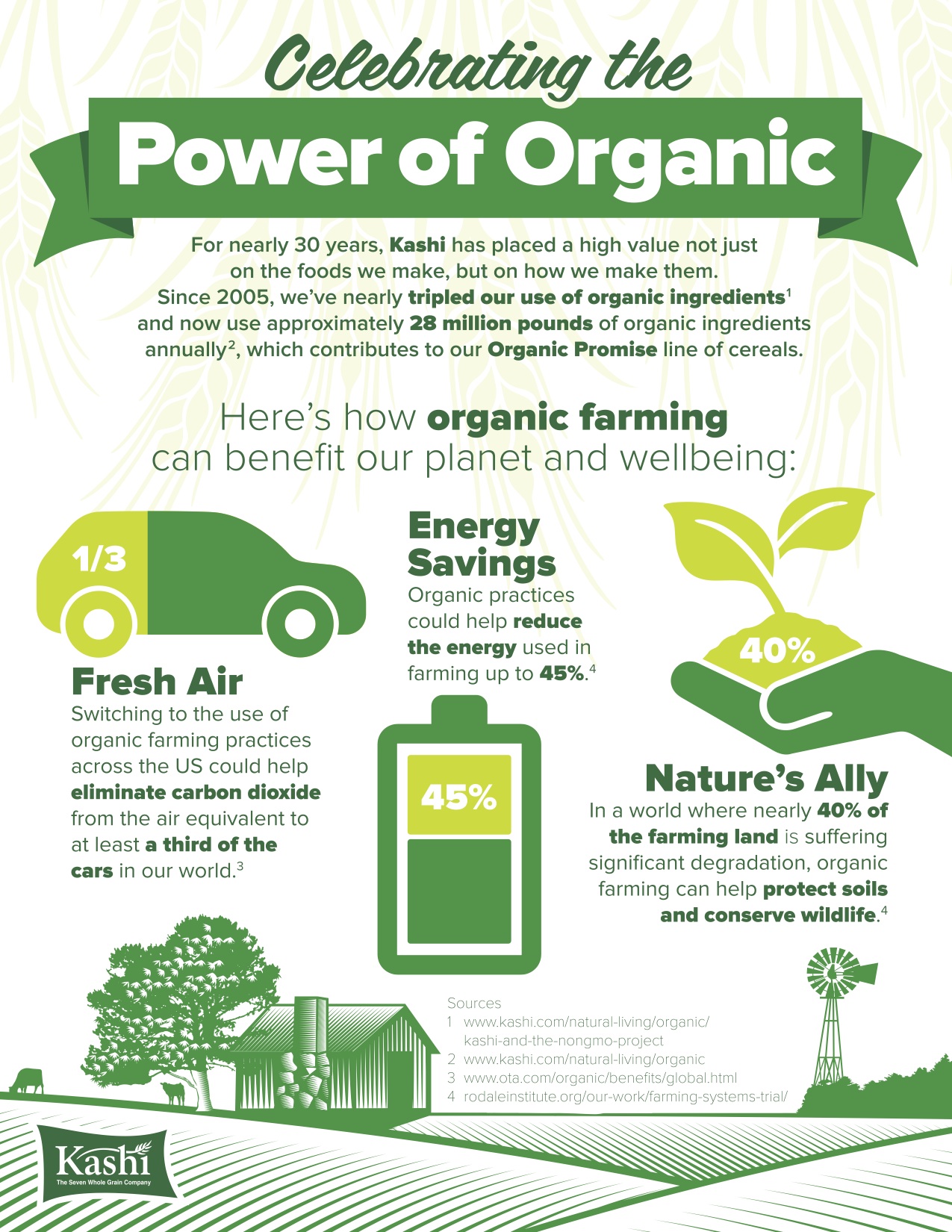
Organic seeds are non-GMO seeds produced and handled according to strict guidelines set by the USDA National Organic Program (NOP). They are grown without the use of synthetic pesticides, herbicides, fertilizers, or genetically modified organisms (GMOs).

Choosing organic seeds ensures:

  • Healthier Ecosystems: Organic seeds promote biodiversity, healthier soil, and a balanced ecosystem, ultimately contributing to environmental sustainability.
  • Reduced Pesticide Exposure: By avoiding synthetic pesticides, you decrease the risk of encountering harmful residues on the food you grow and contribute to a safer environment for yourself and future generations.
  • Enhanced Flavor and Nutrition: Many gardeners and farmers believe that organic seeds produce fruits, vegetables, and grains with richer flavors and increased nutritional value.

Navigating the World of Organic Seed Suppliers

Finding the right organic seed supplier is crucial for ensuring the quality and integrity of your seeds.

1. Local Seed Companies:

Support small, local businesses and build a connection to your community by purchasing seeds from local seed companies. Many of these companies specialize in regionally adapted varieties, offering seeds that are best suited to your local climate and soil conditions.

2. Specialty Seed Companies:

Numerous companies specialize in specific types of seeds, such as heirloom varieties, open-pollinated seeds, or organic seeds specifically suited for organic farming practices. These companies often have extensive knowledge and experience in their niche, providing valuable information and support to their customers.

3. Online Seed Retailers:

The internet has revolutionized seed purchasing, offering a vast selection of organic seeds from diverse suppliers. Websites like RareSeeds.com, SeedsofChange.com, and HighMowingSeeds.com offer organic seeds alongside valuable resources and educational content.

4. Seed Savers Exchange:

Founded in 1975, the Seed Savers Exchange (seedexchange.org) is a non-profit organization dedicated to preserving heirloom and open-pollinated seeds. They offer a wide selection of organic seeds and host events and workshops to promote seed saving and biodiversity.

5. Cooperative Extension Offices:

Your local Cooperative Extension office (extension.org) is a valuable resource for finding information about organic seed suppliers in your area. They can provide guidance on suitable seed varieties, growing techniques, and local resources.

Choosing the Right Organic Seeds

1. Open-Pollinated vs. Hybrid Seeds:

Open-pollinated seeds produce offspring that are true to type. Hybrid seeds, while often high-yielding, may not produce identical offspring. If you plan to save seeds from your harvest, open-pollinated varieties are the best choice.

2. Heirloom Varieties:

Heirloom varieties are treasured for their unique traits, history, and flavor. They are typically open-pollinated and have been passed down through generations of gardeners. Some popular resources for heirloom seeds include:

  • HighMowingSeeds.com
  • Closure

    We trust this article has deepened your understanding of Feeding the Future: A Guide to Organic Seed Suppliers in the USA. We hope you found this article helpful and insightful. See you in the next article!.

Climbing Towards Profitability: Unpacking The Vertical Farming Landscape

Climbing Towards Profitability: Unpacking the Vertical Farming Landscape
With a sharp focus, we critically examine the thought-provoking theme surrounding Climbing Towards Profitability: Unpacking the Vertical Farming Landscape. Let’s dive into valuable insights and offer new perspectives.

Video about Climbing Towards Profitability: Unpacking the Vertical Farming Landscape

Climbing Towards Profitability: Unpacking the Vertical Farming Landscape

Climbing Towards Profitability: Unpacking the Vertical Farming Landscape

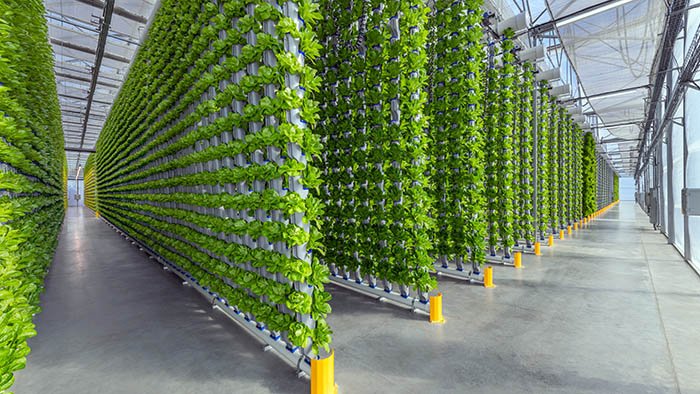
Vertical farming – cultivating crops in stacked layers, often in controlled environments indoors – is often hailed as the future of agriculture. Its proponents tout benefits like higher yields, year-round production, reduced water usage, and minimal pesticide reliance. But beneath the glossy veneer of this innovative approach lies a complex question: is vertical farming truly profitable?

The answer, as with most things in agriculture, isn’t a simple yes or no. While vertical farming undoubtedly holds immense potential, its financial viability today remains a subject of debate. Understanding the factors driving both profitability and challenges requires a deeper dive into the multifaceted world of vertical farming.

The Promise of Profitability:

Several key factors contribute to the potential profitability of vertical farming:

  • Higher Yields: Vertical farming optimizes space by growing plants in tightly controlled environments, stacked vertically. This allows for up to 10 times more production per square foot compared to traditional farming. Higher yields per unit area translate directly to increased output, ultimately boosting potential profits.
  • Year-Round Production:
    Vertical farms operate independently of external weather conditions, enabled by climate-controlled environments. This allows for consistent production throughout the year, ensuring a steady revenue stream and diminishing dependence on seasonal fluctuations.
  • Reduced Input Costs: Controlled environments minimize pest and disease pressures, reducing the need for pesticides and herbicides. Vertical farms often utilize hydroponics or aeroponics, which require significantly less water than traditional methods. These factors significantly contribute to lower operating costs and increased margins.
  • Shortened Supply Chains:
    Vertical farms can be located near urban centers, reducing transportation distances and associated costs. This allows for faster delivery of fresh produce, minimizing spoilage and extending shelf life. Additionally, shorter supply chains offer greater flexibility for catering to specific consumer demands and local markets.

However, profitability is not guaranteed:

Despite the enticing potential, several challenges pose obstacles to widespread profitability in vertical farming:

  • High Initial Investment Costs: Setting up a vertical farm requires substantial upfront capital for sophisticated equipment, controlled environment systems, lighting, and automation technologies. These high initial costs can be daunting for aspiring entrepreneurs and limit scalability.
  • Energy Consumption: Maintaining optimal growing conditions in controlled environments requires significant energy input for lighting, climate control, and other processes. Energy costs can represent a substantial portion of operational expenses, particularly if reliance on fossil fuels persists.
  • Technological Expertise: Operating a vertical farm necessitates specialized knowledge in areas such as hydroponics, lighting systems, environmental control, and data analysis. Acquiring and retaining skilled personnel can be a challenge and add to labor costs.
  • Competition from Traditional Agriculture: Vertical farming faces stiff competition from well-established traditional farming practices, which often benefit from economies of scale and lower input costs. Price competition for certain produce types can impact the profitability of vertical farms, particularly in the early stages.

Navigating the Path to Profitability:

To overcome these challenges and achieve sustainable profitability, vertical farming ventures need to focus on:

  • Optimization and Efficiency: Continuous improvement in crop yields, resource utilization (water, energy), and operational processes are crucial. Employing advanced sensor technology, data analytics, and AI-driven systems can significantly enhance efficiency and reduce costs.
  • Exploring Diverse Crop Options: Focusing on high-value crops like microgreens, leafy greens, herbs, and specialty produce where market demand is strong and price premiums exist can improve profitability. Diversifying offerings can also mitigate risks associated with reliance on a single crop.
  • Strategic Partnerships and Collaboration:

Collaboration with research institutions, technology providers, and established businesses in the agricultural and retail sectors can foster innovation, access to resources, and wider market reach. Sharing knowledge and expertise is vital for growth and collective success.

    Closure

    Thus, we hope this article has highlighted key aspects of Climbing Towards Profitability: Unpacking the Vertical Farming Landscape. We value your time and attention. Stay tuned for the next one!.

Cultivating A Sustainable Future: An Exploration Of Permaculture Farming Strategies

Cultivating a Sustainable Future: An Exploration of Permaculture Farming Strategies
With sheer excitement, we engage in the captivating concept concerning Cultivating a Sustainable Future: An Exploration of Permaculture Farming Strategies. We aim to gather intriguing insights and provide fresh angles to the readers.

Video about Cultivating a Sustainable Future: An Exploration of Permaculture Farming Strategies

Cultivating a Sustainable Future: An Exploration of Permaculture Farming Strategies

Cultivating a Sustainable Future: An Exploration of Permaculture Farming Strategies

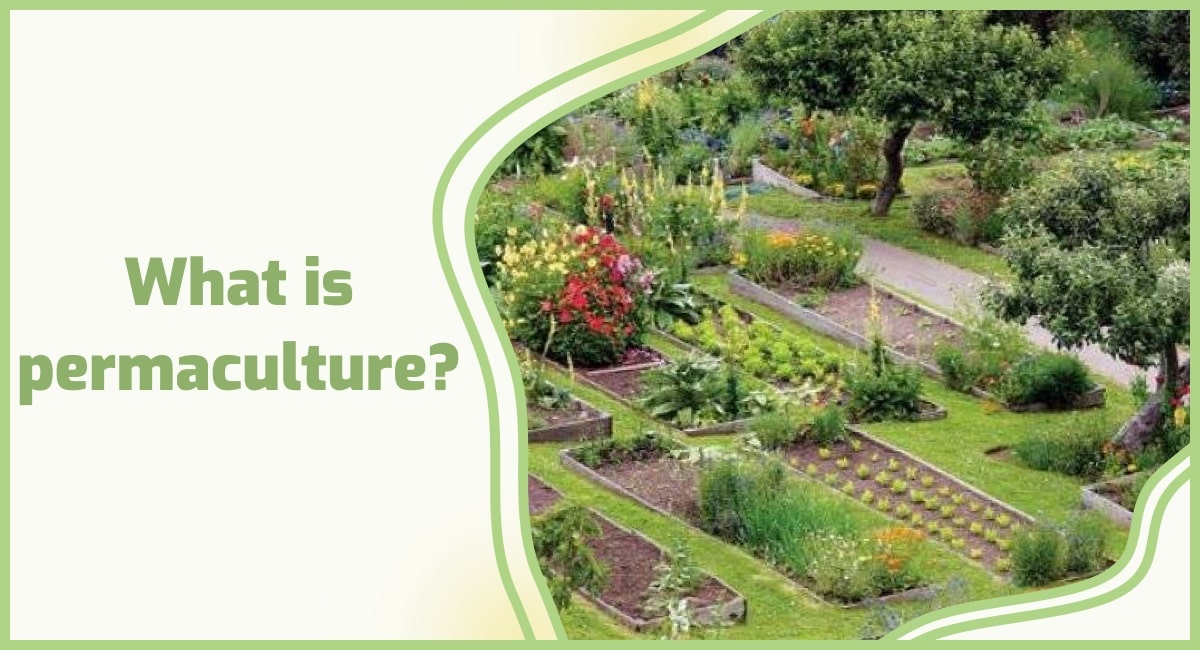
Permaculture, a portmanteau of "permanent agriculture" and "permanent culture," is a design system that seeks to create sustainable and resilient human settlements. While often associated with agriculture, permaculture encompasses a broader vision, aiming to integrate human activity with natural ecosystems for the benefit of both. Central to this philosophy is its application in farming practices, where permaculture strategies strive to mimic natural patterns and relationships to create harmonious and productive landscapes.

This article delves into the core principles and practical implementations of permaculture farming, exploring how these strategies can contribute to a more sustainable and resilient food system.

Deconstructing the Permaculture Principles:

Permaculture is founded on a set of ethical guidelines and design principles that guide the creation of sustainable agricultural systems:

  • Earth Care: Respecting and working with natural systems, minimizing harm and encouraging ecological health.
  • People Care: Prioritizing the well-being and needs of people, ensuring they have access to resources and live fulfilling lives.
  • Fair Share: Distributing resources and benefits equitably, avoiding exploitation and encouraging cooperation.

These ethical guidelines translate into practical design principles that form the backbone of permaculture farming:

  • Observe and Interact: Carefully studying the site’s natural features, climate patterns, and existing ecosystems to understand its unique characteristics.
  • Catch and Store Energy: Utilizing readily available resources like sunlight, water, and wind to maximize energy capture and storage within the system.
  • Obtain a Yield: Ensuring the system consistently produces outputs, be it food, fuel, or other valuable resources, meeting the needs of both people and the environment.
  • Apply Self-Regulation and Accept Feedback: Continuously monitoring and adjusting the system based on observations and feedback, allowing it to evolve and adapt.
  • Use and Value Renewable Resources and Services: Utilizing resources that replenish naturally and promoting closed-loop systems that minimize waste and external inputs.
  • Produce No Waste: Minimizing waste generation by finding creative ways to reuse and recycle materials, promoting composting and natural decomposition.
  • Design from Patterns to Details: Employing natural patterns and ecological relationships as inspiration for system design, creating harmonious and interconnected structures.
  • Integrate Rather Than Segregate: Promoting biodiversity and fostering interrelationships between different elements of the system, creating synergistic effects.
  • Use Small and Slow Solutions: Focusing on smaller-scale, localized solutions that are gradual and adaptable, avoiding large-scale disruptive interventions.
  • Use and Value Diversity: Encouraging a variety of plants, animals, and microorganisms to enhance resilience, stability, and productivity.
  • Use Edges and Value the Marginal: Recognizing the unique productivity and biodiversity found in transitional zones, maximizing their potential.

Putting Permaculture into Practice:

These principles translate into diverse permaculture farming strategies, each tailored to specific climates, landscapes, and goals:

  • Crop Rotation and Companion Planting: Alternating crops in a planned sequence to improve soil fertility, suppress pests and diseases, and maximize space utilization. Companion planting involves strategically grouping compatible species to enhance growth, pollination, and pest control.

  • Closure

    Thus, we hope this article has clarified important points on Cultivating a Sustainable Future: An Exploration of Permaculture Farming Strategies. We value your engagement with this content. Until the next one!.

Agricultural Startups USA

agricultural startups USA
On this remarkable occasion, we take the opportunity to delve into the thought-provoking theme surrounding agricultural startups USA. Let’s dive into valuable insights and offer new perspectives.

Video about agricultural startups USA

Feeding the Future: A Look at the U.S.’s Thriving Agricultural Startup Scene

agricultural startups USA

The U.S. agricultural landscape is undergoing a transformative period, driven by innovative startups tackling age-old challenges with cutting-edge technology. From precision farming to sustainable practices, these entrepreneurs are reimagining how we grow, harvest, and distribute food, aiming to create a more efficient, equitable, and environmentally responsible food system. This article delves into the vibrant world of U.S. agricultural startups, exploring their diverse solutions and the potential they hold for shaping the future of food.

Tech-Driven Transformation:

At the heart of this revolution lies technology. Startups are leveraging data analytics, artificial intelligence, robotics, and sensor networks to optimize every stage of the agricultural process.

  • Precision Farming: Companies like John Deere, Agribotix, and Granular are using drones, satellites, and soil sensors to collect vast amounts of data about crops, soil conditions, and weather patterns. This information allows farmers to apply fertilizers and pesticides with pinpoint accuracy, reducing waste and minimizing environmental impact.
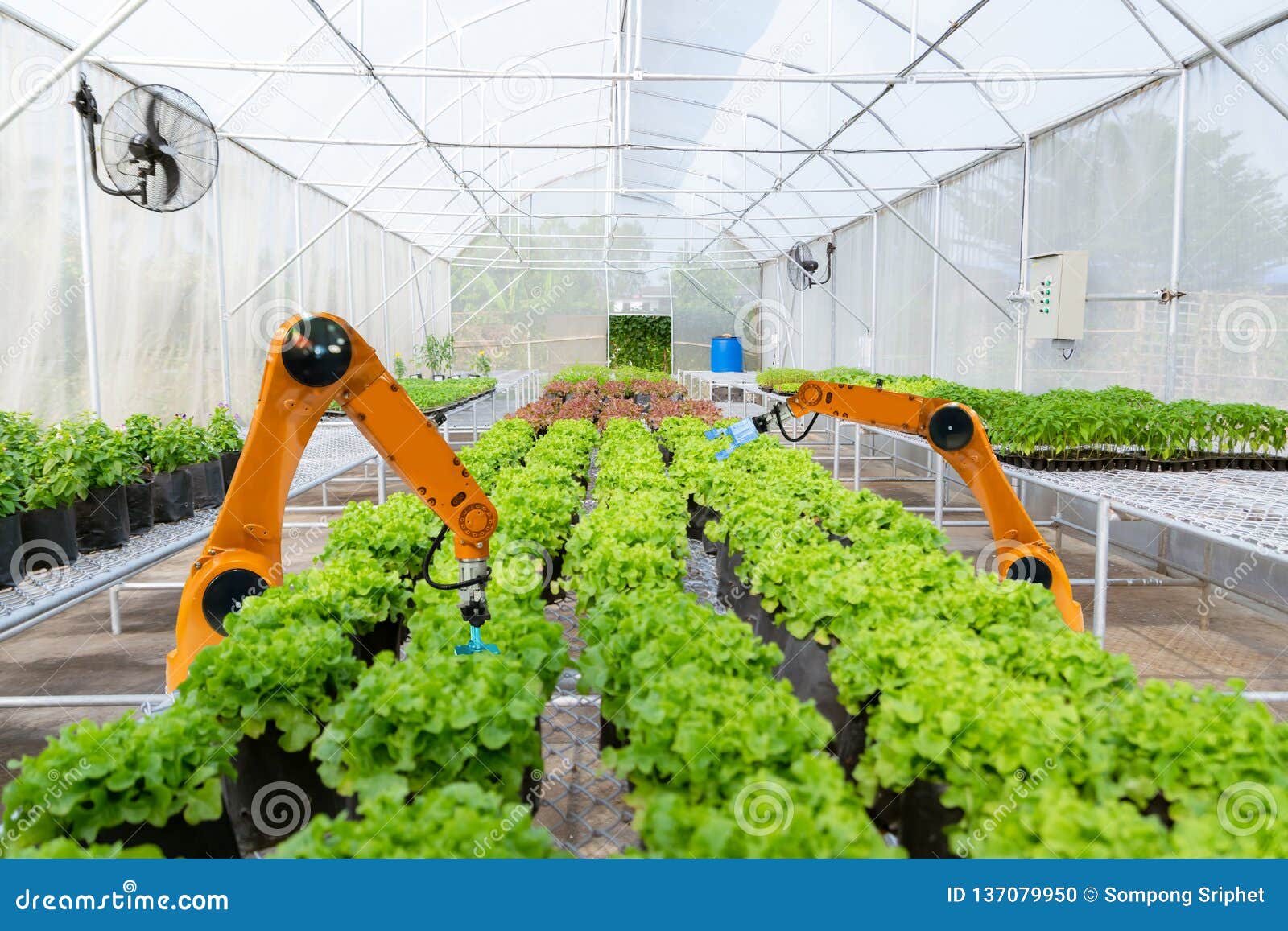
  • Robotics and Automation: The rise of robotics is transforming farm labor. Startups like Abundant Robotics, Iron Ox, and Blue River Technology are developing robots that can perform tasks like picking fruits, weeding fields, and monitoring crop health. These innovations address labor shortages and improve efficiency.
  • Data Analytics and AI: Platforms like Indigo Ag and Farmers Business Network are harnessing artificial intelligence and machine learning to analyze data from various sources, providing farmers with insights into crop yields, market trends, and optimal farming practices.

Sustainable Agriculture:

Environmental sustainability is a major focus for many agricultural startups. They are developing solutions to reduce water usage, minimize chemical inputs, and promote biodiversity.

  • Water Management: Startups like Pivot Irrigation and Watertronics are using sensors and smart irrigation systems to optimize water distribution, conserving precious resources and reducing water waste.
  • Carbon Sequestration: Companies like Indigo and Kernza are exploring innovative ways to sequester carbon in the soil through regenerative farming practices and the development of climate-friendly crops.
  • Alternative Protein Sources: The rise of plant-based and cultivated meat alternatives is disrupting the traditional food industry. Startups like Impossible Foods and Beyond Meat are creating plant-based burgers, sausages, and other products that mimic the taste and texture of meat, addressing concerns about animal welfare and environmental impact.

Direct-to-Consumer Revolution:

Technology is also empowering farmers to connect directly with consumers, bypassing traditional intermediaries and building stronger relationships with their customers.

  • Farm-to-Table Platforms: Platforms like Farmigo, Local Roots, and Plenty are connecting consumers with local farmers, providing access to fresh, seasonal produce and supporting local food systems.
  • Online Marketplaces: Websites and apps like Kickstarter and NeighborFood allow farmers to crowdfund their projects, pre-sell their products, and build communities around their farms.

Challenges and Opportunities:

While the U.S. agricultural startup scene is vibrant, it faces several challenges:

  • Funding: Securing funding can be difficult for early-stage agtech companies, as investors often require a clear path to profitability.
  • Regulation: The agriculture sector is heavily regulated, and navigating these complexities can be a significant hurdle for startups.
  • Adoption: Convincing farmers to adopt new technologies can be challenging due to resistance to change, lack of technical expertise, and the high cost of new equipment.

Despite these challenges, the future for U.S. agricultural startups is bright. The increasing demand for sustainable and technologically advanced solutions presents a significant opportunity for these innovators to make a real difference in the food system. As these startups continue to develop and scale, they have the potential to revolutionize how we produce, distribute, and consume food, creating a more efficient, equitable, and sustainable future.

Closure

We hope this article has uncovered key points about agricultural startups USA. Thank you for your attention to this article. See you again in our next article!.

Nourishing The Earth, Sustaining The Harvest: A Guide To Natural Fertilizers

Nourishing the Earth, Sustaining the Harvest: A Guide to Natural Fertilizers
It is with careful attention that we proceed into the compelling subject of Nourishing the Earth, Sustaining the Harvest: A Guide to Natural Fertilizers. Together, we will explore intriguing facts and share a new angle with readers.

Video about Nourishing the Earth, Sustaining the Harvest: A Guide to Natural Fertilizers

Nourishing the Earth, Sustaining the Harvest: A Guide to Natural Fertilizers

Nourishing the Earth, Sustaining the Harvest: A Guide to Natural Fertilizers

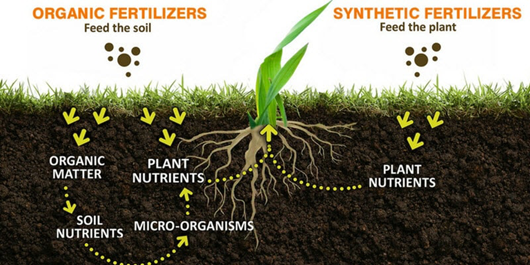
Modern agriculture, often reliant on synthetic fertilizers, faces growing environmental and health concerns.

The alternative? Embracing natural fertilizers. These sustainably sourced amendments enrich your soil, promoting healthy plant growth and contributing to a greener planet.

Understanding the Need for Fertilizers

Plants require essential nutrients for optimal growth and yield. These nutrients, often classified as macronutrients (nitrogen, phosphorus, potassium) and micronutrients (iron, zinc, copper, etc.), are absorbed from the soil. However, over time, intensive farming practices can deplete soil nutrients, leading to decreased productivity and plant health.

Fertilizers, both natural and synthetic, replenish these essential elements.

Benefits of Natural Fertilizers:

While synthetic fertilizers offer a quick fix for nutrient deficiencies, they often come with environmental and health drawbacks. Natural fertilizers, on the other hand, offer a more holistic approach:

  • Soil Health Enhancement: Natural fertilizers improve soil structure, promoting drainage, water retention, and aeration. They also increase the beneficial microbial activity within the soil, creating a thriving ecosystem that supports healthy plant growth.

  • Sustainable Practices: Natural fertilizers are derived from renewable resources, minimizing their environmental impact. They reduce reliance on fossil fuels and the associated greenhouse gas emissions.

  • Nutrient Release Over Time: Natural fertilizers release nutrients gradually, providing a sustained supply for plants and reducing the risk of nutrient leaching into waterways.

  • Reduced Environmental Pollution: Unlike synthetic fertilizers, natural options avoid the risk of nitrate runoff and other pollutants that can harm aquatic life and contaminate groundwater.

  • Enhanced Plant Resilience: Natural fertilizers promote strong root development and overall plant vigor, making plants more resistant to pests, diseases, and drought stress.

  • Safety for Humans and Animals: Natural fertilizers are generally considered safer for human consumption and for animals that graze on fertilized land.

Types of Natural Fertilizers:

A diverse array of natural fertilizers can be incorporated into your gardening and farming practices:

Closure

Thus, we hope this article has clarified important points on Nourishing the Earth, Sustaining the Harvest: A Guide to Natural Fertilizers. We value your engagement with this content. Until the next one!.

No-Till Farming: Sowing The Seeds Of A Sustainable Future

No-Till Farming: Sowing the Seeds of a Sustainable Future
With enthusiasm, let’s navigate through the intriguing concept of No-Till Farming: Sowing the Seeds of a Sustainable Future. We’ll provide insightful information and offer innovative viewpoints to the readers.

Video about No-Till Farming: Sowing the Seeds of a Sustainable Future

No-Till Farming: Sowing the Seeds of a Sustainable Future

No-Till Farming: Sowing the Seeds of a Sustainable Future

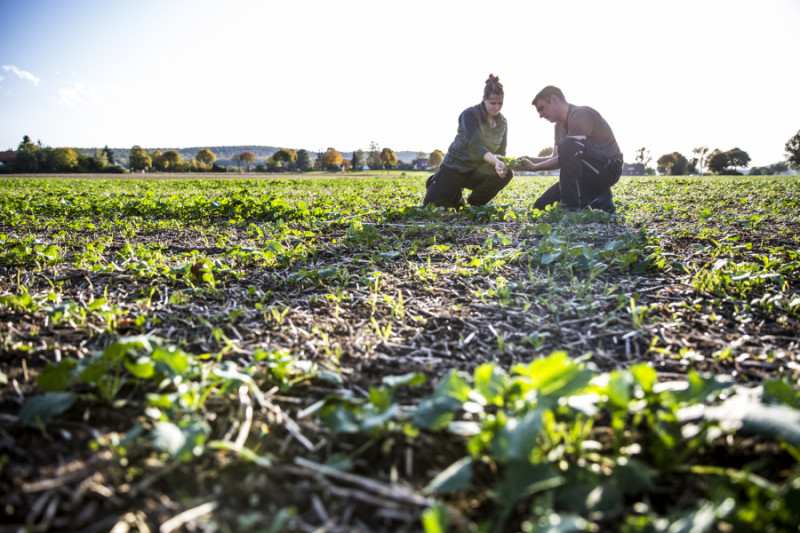
In an era defined by climate change and the urgent need for sustainable agriculture, no-till farming emerges as a powerful tool for revitalizing our soils, preserving biodiversity, and ensuring long-term food security. This revolutionary farming practice, which involves growing crops without disturbing the soil through tillage, offers a wealth of advantages that benefit both the environment and the farmer.

Unyielding Benefits for the Soil

The cornerstone of no-till farming lies in its ability to protect and enrich the soil. Tilling, the traditional practice of mechanically breaking up the soil, has detrimental consequences for soil health. It disrupts the delicate structure of the soil, leading to compaction, erosion, and the loss of organic matter. No-till farming, on the other hand, leaves the soil undisturbed, fostering a healthier and more resilient ecosystem.

1. Enhanced Soil Structure:

The soil’s structure dictates its ability to hold water, nutrients, and air. Tilling disrupts this structure, leading to compaction that hinders root growth. No-till farming, by preserving the naturally aggregated soil structure, creates a well-aerated environment that encourages deep root penetration, leading to stronger, more resilient plants.

2. Increased Organic Matter:

Organic matter is the lifeblood of healthy soil. It acts as a sponge, absorbing water and nutrients, improving soil fertility, and enhancing microbial activity. Tilling exposes organic matter to the elements, causing it to decompose rapidly. In contrast, no-till farming promotes the accumulation of organic matter through the incorporation of crop residues, cover crops, and reduced soil disturbance. This enriched soil acts as a natural fertilizer, reducing the need for chemical inputs.

3. Reduced Erosion:

Tillage leaves the soil exposed, vulnerable to the erosive forces of wind and rain. No-till farming, with its undisturbed soil surface, acts as a natural barrier, reducing soil erosion and preserving valuable topsoil.

4. Improved Water Infiltration:

Compacted soils often struggle to absorb rainwater, leading to runoff and waterlogging. No-till farming, by maintaining a well-structured soil, enhances water infiltration, reducing runoff and increasing water availability for plant growth. This is particularly crucial in regions facing drought conditions.

The Environmental Dividends

The benefits of no-till farming extend far beyond the soil, contributing significantly to a healthier environment.

1. Enhanced Biodiversity:

No-till farming encourages the growth of diverse plant communities, providing habitat and food sources for a wider range of wildlife. This increased biodiversity contributes to a more resilient ecosystem, better equipped to cope with environmental challenges.

2. Reduced Greenhouse Gas Emissions:

Agriculture is a significant contributor to greenhouse gas emissions, primarily through tillage practices that release carbon dioxide from the soil.

No-till farming, by preserving soil organic matter, acts as a carbon sink, sequestering atmospheric carbon and mitigating climate change.

3. Reduced Water Usage:

No-till farming’s improved water infiltration and retention capabilities translate to reduced water usage for irrigation. This is particularly crucial in regions facing water scarcity, ensuring a more sustainable use of this precious resource.

4. Reduced Pollution:

By minimizing soil disturbance and erosion, no-till farming reduces the leaching of fertilizers and pesticides into waterways, minimizing pollution and protecting aquatic ecosystems.

The Farmer’s Reward: Increased Efficiency and Profitability

No-till farming not only presents a slew of environmental advantages but also offers numerous benefits for farmers, contributing to increased efficiency and profitability.

1. Reduced Labor and Fuel Costs:

Eliminating tillage operations drastically reduces the need for labor and fuel, significantly lowering operating costs for farmers.

2. Increased Yields:

Studies have shown that no-till farming can lead to increased crop yields, attributed to improved soil health, water retention, and nutrient availability.

3. Improved Weed Management:

Closure

We hope this article has offered you great insights into No-Till Farming: Sowing the Seeds of a Sustainable Future. We hope you found this article useful and enriching. Stay tuned for our next article!.

A Harvest Of Innovation: Emerging Trends In Farming Equipment

A Harvest of Innovation: Emerging Trends in Farming Equipment
With great determination, we tackle the topic of the compelling issue surrounding A Harvest of Innovation: Emerging Trends in Farming Equipment. Together, we’ll weave thoughtful information and fresh perspectives.

Video about A Harvest of Innovation: Emerging Trends in Farming Equipment

A Harvest of Innovation: Emerging Trends in Farming Equipment

A Harvest of Innovation: Emerging Trends in Farming Equipment

The agriculture sector is undergoing a transformative shift, driven by the need for increased efficiency, productivity, and sustainability. At the heart of this revolution lie advancements in farming equipment, with technology playing an increasingly vital role. From autonomous tractors to data-driven precision farming practices, the future of farming is being shaped by innovative equipment designed to meet the challenges of a growing global population and a changing climate.

1. Automation Takes the Lead:

The promise of increased efficiency and reduced labor costs has propelled automation to the forefront of farming equipment trends.

  • Autonomous Tractors: Visionary manufacturers are developing fully autonomous tractors capable of performing various tasks, including plowing, planting, and harvesting, without human intervention. These self-driving machines utilize sensors, GPS technology, and sophisticated algorithms to navigate fields, execute tasks with precision, and even make adjustments based on real-time data.
  • Robot Helpers: Alongside autonomous tractors, robotic systems are emerging to assist with tasks like weeding, harvesting, and even livestock monitoring. These agile robots utilize AI and computer vision to identify and interact with specific plants or animals, offering precise and efficient solutions.

These innovations are particularly impactful in addressing labor shortages experienced by many farmers while ensuring consistent and timely completion of critical tasks.

2. Data-Driven Precision Farming:

Precision farming, the use of data to optimize agricultural practices, is rapidly transforming the way farms operate. Advanced equipment plays a crucial role in collecting and analyzing this data, enabling farmers to make informed decisions that maximize yield and minimize resource use.

  • Sensors & Drones:
    • An abundance of sensors, attached to tractors, drones, or even deployed directly in the field, gather valuable data on soil conditions, moisture levels, crop health, and even pest infestations.
    • Drones equipped with high-resolution cameras and multispectral sensors offer aerial perspectives, enabling rapid and comprehensive assessments of large farmlands.
  • Software & Analytics: This data is then processed by sophisticated software platforms that analyze trends, identify patterns, and provide actionable recommendations to farmers. These insights can guide decisions regarding irrigation scheduling, fertilizer application, pest control strategies, and harvesting times, ultimately leading to improved efficiency and profitability.

3. Electrification and Sustainability:

The push for sustainable agriculture has spurred significant interest in electric and alternative-fuel powered farming equipment.

  • Electric Tractors & Combines: Leading manufacturers are developing battery-powered tractors and combines that offer zero-emission operation, reducing reliance on fossil fuels and minimizing environmental impact. While battery technology and charging infrastructure are still evolving, electric farming equipment holds great promise for a future where agriculture is more sustainable.
  • Biofuels: The exploration of alternative fuels like biodiesel and ethanol derived from agricultural waste further enhances the sustainability of farming operations.

4. Connectivity and the Digital Farm:

The farm of the future is increasingly interconnected, with equipment seamlessly communicating with each other and with farmers through sophisticated data networks.

  • IoT & Cloud Computing: Internet of Things (IoT) technology enables real-time data collection and remote monitoring of equipment performance, allowing farmers to optimize operations and identify potential issues before they escalate. Cloud computing platforms provide secure data storage and analysis, enabling farmers to access valuable information anytime, anywhere.
  • Agtech Platforms: AGTech platforms are emerging as central hubs for managing farm data, connecting farmers with agricultural experts, and providing access to a wide range of tools and resources. These platforms foster collaboration and knowledge sharing, empowering farmers to make more informed decisions and improve farm productivity.
  • Closure

    Thus, we hope this article has revealed valuable insights on A Harvest of Innovation: Emerging Trends in Farming Equipment. We hope this article has been helpful and valuable to you. Stay tuned for our next article!.

Beyond The Bag: Exploring Sustainable Fertilizer Alternatives For Modern Farms

Beyond the Bag: Exploring Sustainable Fertilizer Alternatives for Modern Farms This exciting moment allows us to explore new dimensions of t...