Reaching New Heights: Rooftop Farming Innovations Transforming Urban Landscapes

Reaching New Heights: Rooftop Farming Innovations Transforming Urban Landscapes
We are invigorated to explore the depths of the engaging issue related to Reaching New Heights: Rooftop Farming Innovations Transforming Urban Landscapes. Let’s offer new information and provide readers with fresh insights.

Video about Reaching New Heights: Rooftop Farming Innovations Transforming Urban Landscapes

Reaching New Heights: Rooftop Farming Innovations Transforming Urban Landscapes

Reaching New Heights: Rooftop Farming Innovations Transforming Urban Landscapes

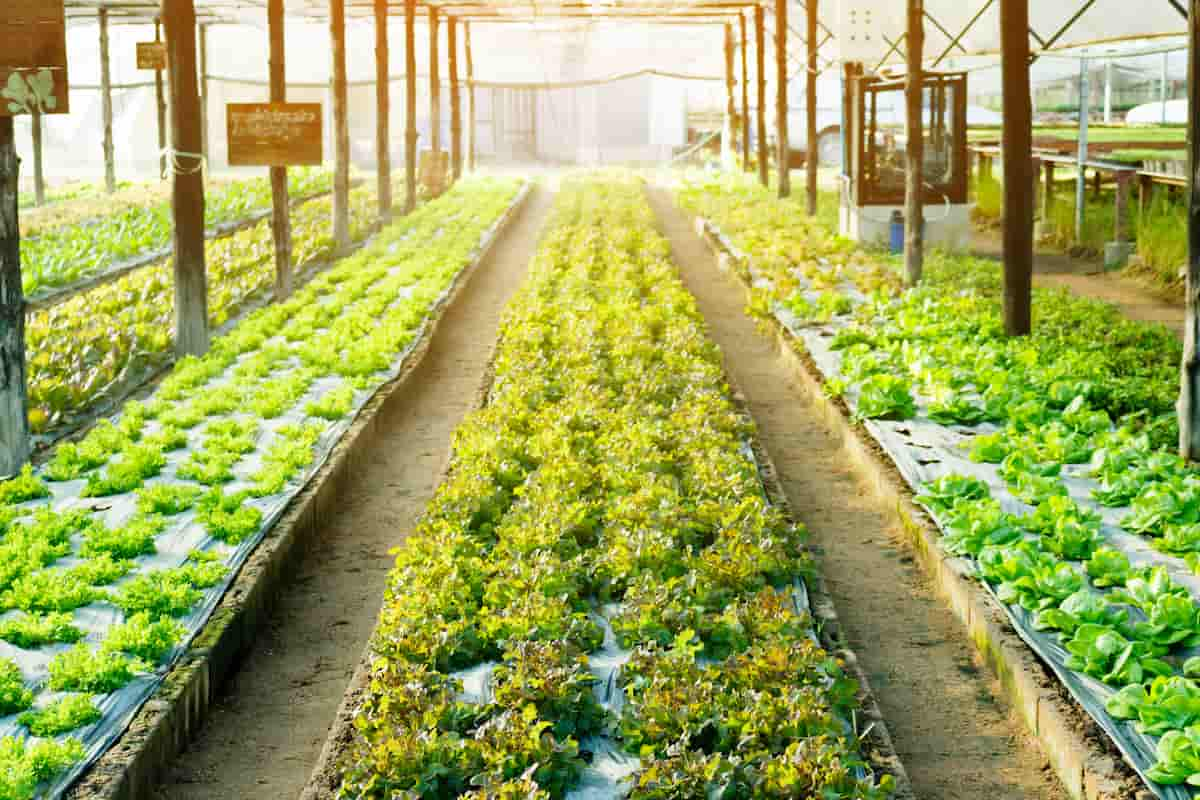
As urban populations swell and food security concerns mount, innovative solutions for sustainable agriculture are becoming increasingly vital. Enter rooftop farming, a practice that transforms unused urban spaces into fertile ground, offering a promising path towards localized food production and a greener future.

This article delves into the exciting world of rooftop farming, exploring the latest innovations that are driving its growth and unlocking its full potential to revitalize cities and nourish communities.

The Rise of Urban Agriculture: The story of rooftop farming is inextricably linked to the rapid growth of cities. Urban sprawl, coupled with climate change and increasing demand for fresh produce, has fueled a movement towards vertical farming and other innovative agricultural techniques. Rooftops, long seen as spaces for air circulation and aesthetic appeal, are now recognized as valuable real estate for growing food, offering a multitude of benefits.

Harnessing the Power of Sunlight: One of the most significant advantages of rooftop farming lies in its ability to harness the power of the sun. Whether glazed solariums or open-air platforms, rooftops provide ample sunlight, essential for photosynthesis and optimal crop growth. Smart technologies are further optimizing sun exposure, with adjustable shade structures and solar-powered irrigation systems, ensuring efficient water use and maximized yield.

Innovations in Growing Media and Techniques: Rooftop farming breaks away from traditional soil-based agriculture, embracing innovative growing media and techniques optimized for urban environments.

  • Vertical Farming: Taking advantage of limited space, vertical farming techniques like hydroponics, aquaponics, and aeroponics cultivate crops in stacked layers, often indoors, maximizing space and yield.
  • Lightweight & Durable Materials: Modern rooftop farming utilizes lightweight and durable materials like composite wood, recycled plastics, and lightweight aggregates, minimizing structural strain on buildings while ensuring longevity.
  • Automated Irrigation Systems:Smart irrigation systems, incorporating sensors and weather data, precisely deliver the optimal amount of water to each plant, conserving resources and preventing overwatering.
  • Precision Nutrient Delivery: Hydroponic and aeroponic systems offer precise control over nutrient delivery, ensuring optimal plant health and maximizing yield while minimizing waste.

Climate Control and Greenhouses:

Creating the ideal growing environment for year-round production requires sophisticated climate control systems.

  • Controlled Environment Agriculture (CEA): Utilizing LEDs, ventilation systems, and climate-regulation technology, CEA enables year-round growth of delicate crops that struggle in traditional outdoor settings.
  • Greenhouses with Smart Glazing: Advanced greenhouses with automated shading and heating/cooling systems are being deployed on rooftops, creating microclimates that protect crops from extreme weather conditions.

Beyond Food: Expanding the Role of Rooftop Gardens: While food production remains the primary focus, rooftop farming initiatives are evolving beyond agriculture.

  • Urban Oasis and Biodiversity: Rooftop gardens are increasingly designed to support biodiversity, attracting pollinators and creating urban habitats for various species.

  • Stormwater Management: Green roofs, integrated into rooftop farming systems, act as sponges, absorbing rainwater and reducing runoff, mitigating stormwater flooding and improving urban water management.

  • Energy Efficiency: Heavy vegetation on rooftop gardens can provide insulation, reducing energy consumption for heating and cooling in buildings, contributing to sustainable urban development.

Closure

We hope this article has provided a thorough understanding of Reaching New Heights: Rooftop Farming Innovations Transforming Urban Landscapes. We appreciate your attention to this article. Stay tuned for more articles!.

Cover Crops: The Unsung Heroes Of Sustainable Farming

Cover Crops: The Unsung Heroes of Sustainable Farming
It is with great interest that we analyze the thought-provoking issue concerning Cover Crops: The Unsung Heroes of Sustainable Farming. We will share essential insights and deliver fresh interpretations.

Video about Cover Crops: The Unsung Heroes of Sustainable Farming

Cover Crops: The Unsung Heroes of Sustainable Farming

Cover Crops: The Unsung Heroes of Sustainable Farming

In the ever-evolving landscape of agriculture, sustainability is no longer a buzzword but a necessity. Farmers worldwide grapple with soil degradation, nutrient depletion, and the ever-present challenge of maintaining profitability while minimizing environmental impact. Enter cover crops, often overlooked yet brimming with potential, these unsung heroes offer a powerful tool in the sustainable farming arsenal.

What are Cover Crops?

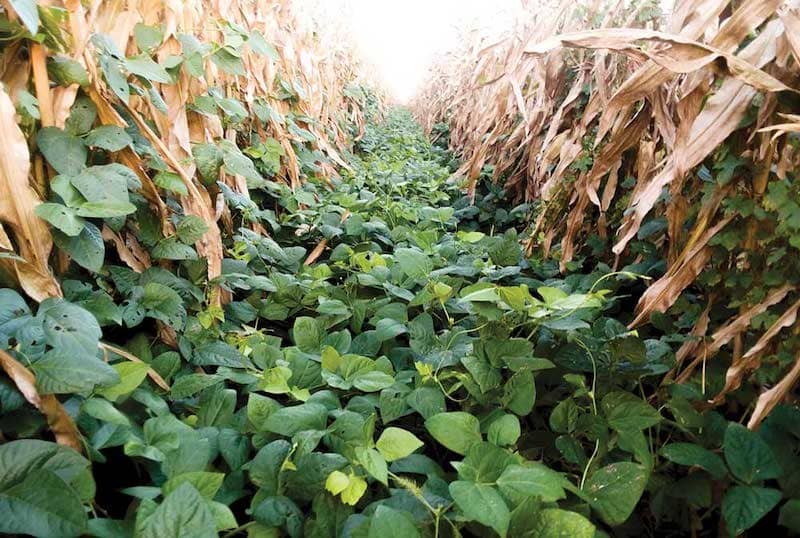
Cover crops are non-cash crops planted intentionally to protect and improve soil health. They are specifically chosen for their ability to enhance soil fertility, suppress weeds, control erosion, and boost biodiversity. Unlike cash crops, which are grown for harvest and sale, cover crops are typically incorporated into the soil before planting the main crop or terminated at certain growth stages.

A Powerful Multi-Tool for Soil Health

Cover crops act as a multi-faceted solution to numerous soil challenges:

  • Boosting Soil Fertility: Legumes, a prominent group of cover crops, possess the remarkable ability to fix atmospheric nitrogen into the soil, supplying vital nutrients for succeeding cash crops. Others, like brassicas, release nutrients into the soil as they decompose, forming a natural fertilizer. They also enhance soil organic matter content, improving its structure, water retention capacity, and nutrient-holding ability.

  • Suppressing Weeds: Dense cover crops create a physical barrier that chokes out weeds, reducing the need for costly and potentially harmful herbicides. Some cover crops, like hairy vetch, release allelopathic compounds that inhibit weed growth.

  • Preventing Erosion: Cover crops act as a protective blanket against the erosive forces of wind and rain. Their extensive root systems bind the soil, preventing runoff and minimizing topsoil loss. This is particularly beneficial on slopes and fragile lands, safeguarding their long-term productivity.

  • Improving Water Infiltration: The dense root networks of cover crops enhance soil porosity, allowing water to penetrate deeper and replenish groundwater reserves. This improves water retention, reducing the risk of drought stress for cash crops and promoting efficient irrigation.

  • Increasing Biodiversity: Cover crops provide habitat and food sources for beneficial insects, pollinators, and soil organisms, fostering a healthy and diverse ecosystem. This natural biodiversity contributes to a more resilient and self-sustaining agricultural system.

Integrating Cover Crops into Sustainable Farming Practices

The benefits of cover crops extend beyond single fields. They seamlessly integrate into a range of sustainable farming practices, contributing to a holistic approach:

  • Crop Rotation: Cover crops are essential components of crop rotation plans, breaking pest and disease cycles, replenishing soil nutrients, and mitigating the negative effects of monocultures. Legumes, in particular, play a crucial role in nitrogen fixation, reducing the reliance on synthetic nitrogen fertilizers.
  • No-Till Farming: Cover crops are indispensable for successful no-till farming systems. They protect the soil from erosion during the fallow period between cash crops, preventing the loss of valuable topsoil and organic matter. The living root system also improves soil structure, making it easier for the following cash crop to establish.
  • Reduced Chemical Inputs: By suppressing weeds and improving soil health, cover crops significantly reduce the need for synthetic herbicides, pesticides, and fertilizers. This minimizes environmental pollution, protects beneficial organisms, and reduces production costs for farmers.
  • Climate Change Mitigation: Cover crops contribute to climate change mitigation by sequestering carbon in the soil. The increased organic matter content enhances carbon storage, mitigating greenhouse gas emissions and promoting climate resilience.
  • Closure

    We hope this article has provided a thorough understanding of Cover Crops: The Unsung Heroes of Sustainable Farming. We appreciate your attention to this article. Stay tuned for more articles!.
Sowing Seeds Of Change: How Climate Change Harvests Uncertainty For Farmers

Sowing Seeds of Change: How Climate Change Harvests Uncertainty for Farmers
In this special moment, we aim to explore the compelling matter of Sowing Seeds of Change: How Climate Change Harvests Uncertainty for Farmers. Let’s provide readers with meaningful facts and offer innovative angles.

Video about Sowing Seeds of Change: How Climate Change Harvests Uncertainty for Farmers

Sowing Seeds of Change: How Climate Change Harvests Uncertainty for Farmers

Sowing Seeds of Change: How Climate Change Harvests Uncertainty for Farmers

The global symphony of food production is under threat. A dissonant note, climate change, is disrupting the carefully cultivated rhythms of agriculture, casting a shadow of uncertainty over the future of our food supply. From shifting seasons to extreme weather events, the impacts of a warming planet are increasingly felt in fields across the globe, challenging farmers’ resilience and demanding innovative solutions.

A World of Shifting Seasons:

A fundamental challenge for farmers is the disruption of seasonal patterns, the very blueprint upon which agricultural practices are built. Rising global temperatures are forcing a recalibration of planting and harvesting schedules. In many regions, winters are becoming shorter and milder, leading to earlier springs and longer growing seasons. While this might seem beneficial, it can lead to conflicts with traditional crop cycles and disrupt delicate ecological balances. Insects, diseases, and pests also face altered life cycles, potentially increasing outbreaks and jeopardizing crops.

Conversely, other regions are experiencing amplified heatwaves and extended droughts, scorching lands and leaving fields parched. Water scarcity, a growing concern exacerbated by climate change, translates into stunted growth, reduced yields, and even complete crop failures. The delicate balance between water availability and crop needs is increasingly threatened, forcing farmers to adapt their irrigation practices or rely on dwindling groundwater reserves.

The Fury of Extremes:

Climate change is not just about shifting averages; it’s also about the increasing frequency and intensity of extreme weather events. Powerful storms, floods, and droughts unleash devastating consequences on agricultural landscapes.

Storms can rip through fields, uprooting crops and obliterating months of hard work. Heavy rainfall can lead to soil erosion and waterlogging, hindering plant growth and damaging infrastructure.

Droughts can parched land, leaving crops withered and barren. In extreme cases, entire seasons can be wiped out, leaving farmers with nothing to harvest and facing crippling financial losses.

Rising Seas, Diminishing Shores:

For coastal farmers, the tide of climate change brings a triple threat: rising sea levels, saltwater intrusion, and increased storm surges. Rising sea levels inundate low-lying farmlands, contaminating soil with salt and rendering it unusable for agriculture. Saltwater intrusion into freshwater aquifers further limits irrigation options, driving farmers to abandon their lands or grapple with declining yields.

The Unseen Enemy: Insect Pests and Diseases:

Climate change provides a breeding ground for agricultural pests and diseases, threatening crop health and global food security. Warmer temperatures and altered precipitation patterns can expand the geographic range of invasive species, exposing new crops and ecosystems to potentially devastating outbreaks.

Building Resilience: Adapting to a Changing Climate:

Facing these unprecedented challenges, farmers worldwide are stepping up, employing innovative strategies to adapt to a changing climate. Conservation agriculture, which emphasizes minimum soil disturbance, crop rotation, and cover cropping, is gaining traction for its ability to improve soil health, reduce erosion, and enhance water retention.

Drought-resistant crops and advanced irrigation technologies, such as drip irrigation and rainwater harvesting, are helping farmers manage water scarcity. Integrated pest management strategies combine biological control, crop rotation, and targeted pesticide application to minimize pest damage while reducing reliance on harmful chemicals.

Collaboration for a Sustainable Future:

Addressing climate change’s impact on agriculture requires a collaborative effort. Governments, research institutions, and international organizations must work together to support farmers with access to climate-smart technologies and financial resources.

Policymakers can implement incentives for sustainable farming practices, invest in research and development of climate-resilient crops, and strengthen social safety nets to protect farmers from climate-related losses.

A Call to Action:

The challenges posed by climate change to agriculture are real and pressing. However, amidst these challenges lies an opportunity to transform the way we produce food. By embracing innovation, fostering collaboration, and enacting smart policies, we can build a more resilient and sustainable food system capable of nourishing a growing global population while mitigating the impacts of climate change. The choice lies before us: to sow the seeds of change or face the consequences of inaction.

Closure

We trust this article has deepened your understanding of Sowing Seeds of Change: How Climate Change Harvests Uncertainty for Farmers. We are thankful for your engagement. See you in the next article!.

Regenerative Soil Management: A Blueprint For A Healthy Planet

Regenerative Soil Management: A Blueprint for a Healthy Planet
On this occasion, we are compelled to understand the captivating concept concerning Regenerative Soil Management: A Blueprint for a Healthy Planet. We aim to gather intriguing insights and provide fresh angles to the readers.

Video about Regenerative Soil Management: A Blueprint for a Healthy Planet

Regenerative Soil Management: A Blueprint for a Healthy Planet

Regenerative Soil Management: A Blueprint for a Healthy Planet

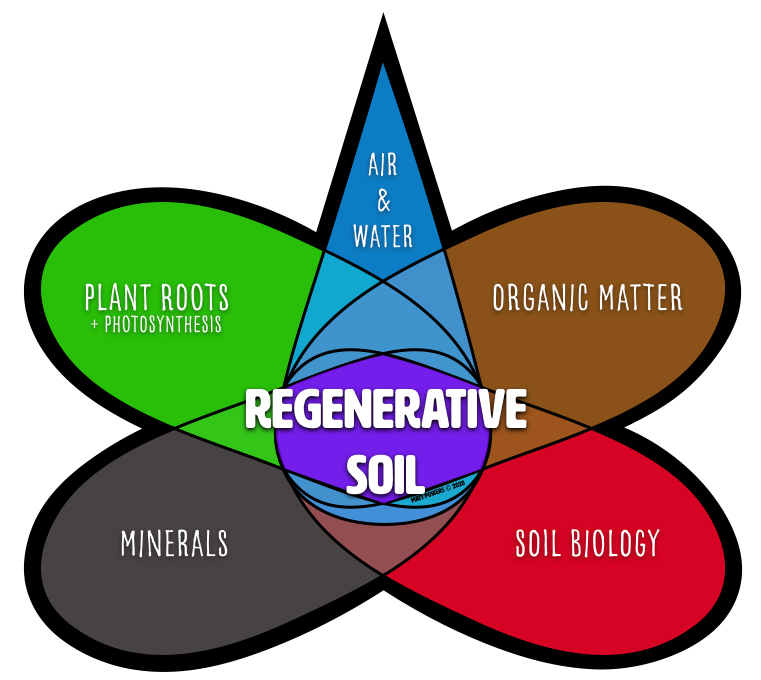
The health of our soils is fundamental to global food security, climate stability, and biodiversity. Yet, conventional agricultural practices often degrade these vital ecosystems, leaving behind depleted land susceptible to erosion, drought, and reduced productivity.

Regenerative soil management offers a powerful antidote to this decline. This holistic approach goes beyond the traditional focus on maximizing yield to prioritize building soil health and ecological resilience. It operates on the understanding that healthy soils are the foundation for healthy ecosystems and a thriving planet.

Understanding the Power of Soil

Soils are teeming with life. A single teaspoon of healthy soil can contain billions of microorganisms, fungi, and invertebrates, collectively known as the soil food web. This complex community plays a vital role in nutrient cycling, water retention, disease suppression, and carbon sequestration.

Unfortunately, conventional farming practices, with their reliance on tillage, synthetic fertilizers, and pesticides, disrupt this delicate balance.

  • Tilling: Ploughing and other tillage practices disrupt soil structure, expose organic matter to degradation, and encourage erosion.

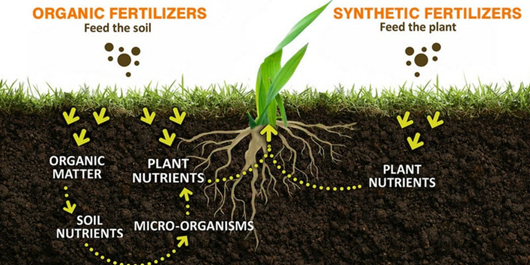
  • Synthetic fertilizers: While providing a quick boost of nutrients, synthetic fertilizers deprive soil life of their natural food sources and disrupt nutrient uptake processes. They also contribute to water pollution.

  • Pesticides: These chemicals kill off beneficial insects and microorganisms, weakening the soil food web and making the soil more vulnerable to pests and diseases.

The Principles of Regenerative Soil Management

Regenerative soil management aims to reverse these harmful effects and rebuild the fertility and resilience of our soils. This is achieved through a set of core principles guided by nature:

  • Minimize Soil Disturbance: Reducing or eliminating tillage allows for the preservation of soil structure, organic matter, and the delicate web of life beneath the surface. Practices like no-till farming, cover cropping, and mulching promote this principle.

  • Maximize Soil Cover: Keeping the soil covered with plant material year-round protects it from erosion, improves water infiltration, and fosters a thriving soil ecosystem. Methods like cover cropping, mulching, and rotational grazing contribute to soil cover.

  • Increase Biodiversity: A diverse range of plants, animals, and microorganisms creates a resilient and self-sustaining soil ecosystem. This principle is supported through crop rotations, diverse cover crops, agroforestry, and integrated pest management.

  • Closure

    Thus, we hope this article has highlighted key aspects of Regenerative Soil Management: A Blueprint for a Healthy Planet. We hope you found this article insightful and beneficial. Stay tuned for the next one!.

Cultivating A Sustainable Future: Eco-Friendly Farming Solutions

Cultivating a Sustainable Future: Eco-Friendly Farming Solutions
With sheer excitement, we engage in the compelling issue surrounding Cultivating a Sustainable Future: Eco-Friendly Farming Solutions. Together, we’ll weave thoughtful information and fresh perspectives.

Video about Cultivating a Sustainable Future: Eco-Friendly Farming Solutions

Cultivating a Sustainable Future: Eco-Friendly Farming Solutions

Cultivating a Sustainable Future: Eco-Friendly Farming Solutions

The global food system is facing unprecedented challenges. Population growth, climate change, and the depletion of resources demand innovative and sustainable solutions. Eco-friendly farming, also known as sustainable agriculture, offers a promising path forward by prioritizing environmental health, social equity, and economic viability.

This approach aims to produce food in a way that minimizes negative impacts on the environment and enhances the well-being of farmers and communities. It recognizes that healthy ecosystems are essential for long-term food security and promotes integrated practices that work in harmony with nature.

The Pillars of Eco-Friendly Farming:

Eco-friendly farming encompasses a diverse range of practices, all working towards the common goal of sustainability.

1. Soil Health:

Healthy soil is the bedrock of sustainable agriculture. Eco-friendly farming prioritizes soil health by:

  • Minimizing Tillage: Traditional plowing disrupts soil structure, leading to erosion and nutrient loss. Conservation tillage practices, like no-till farming, reduce soil disturbance, preserving its structure and promoting microbial activity.
  • Cover Cropping: Planting cover crops, such as legumes or grasses, during fallow periods protects soil from erosion, suppresses weeds, and adds organic matter, improving fertility.
  • Crop Rotation: Rotating crops with different nutrient requirements helps to balance soil nutrient levels, reduce pest pressure, and improve soil structure.

2. Water Conservation:

Water is a precious resource, and efficient irrigation is crucial for sustainable agriculture. Eco-friendly farming implements various water-saving techniques:

  • Precision Irrigation: Utilizing technologies like drip irrigation and sensors to deliver water directly to plant roots, minimizing waste and evaporation.
  • Rainwater Harvesting: Capturing and storing rainwater for later use in irrigation, reducing reliance on groundwater and minimizing runoff.
  • Mulching: Applying organic mulches like straw or wood chips around crops helps retain soil moisture, reducing evaporation and the need for irrigation.

3. Biodiversity and Ecosystem Services:

Eco-friendly farming embraces biodiversity and its benefits for agricultural systems.

  • Agroforestry: Integrating trees into farmland enhances biodiversity, improves soil fertility, provides windbreaks, and sequesters carbon.
  • Habitat Restoration: Creating pollinator habitats and wildlife corridors within and around farmland supports beneficial insects, pollinators, and other wildlife, contributing to ecosystem health.
  • Integrated Pest Management (IPM): Using a combination of cultural, biological, and chemical controls to manage pests in a sustainable manner, minimizing reliance on synthetic pesticides.

4. Renewable Energy:

Transitioning to renewable energy sources is crucial for reducing the environmental footprint of agriculture.

  • Solar Power: Installing solar panels on farm buildings or land can provide clean energy for irrigation, processing, and other operations.
  • Closure

    Thus, we hope this article has offered insights into Cultivating a Sustainable Future: Eco-Friendly Farming Solutions. We hope you found this information helpful and enriching. Stay tuned for our next article!.

Restoring The Earth One Bite At A Time: The Power Of Regenerative Grazing

Restoring the Earth One Bite at a Time: The Power of Regenerative Grazing
On this occasion, we are compelled to understand the thought-provoking matter of Restoring the Earth One Bite at a Time: The Power of Regenerative Grazing. We will explore meaningful data and offer innovative perspectives to the readers.

Video about Restoring the Earth One Bite at a Time: The Power of Regenerative Grazing

Restoring the Earth One Bite at a Time: The Power of Regenerative Grazing

Restoring the Earth One Bite at a Time: The Power of Regenerative Grazing

Imagine a landscape teeming with life, vibrant with diverse plant species, fertile soil teeming with microorganisms, and healthy ecosystems thriving in harmony. This isn’t a utopian dream; it’s the vision that drives the practice of regenerative grazing.

Regenerative grazing moves beyond simply managing livestock; it seeks to actively heal and restore degraded land by mimicking the natural grazing patterns of wildlife. This innovative approach not only benefits the environment but also delivers tangible benefits for farmers, ranchers, and ultimately, our global food systems.

Understanding the Problem: Conventional Grazing’s Impact

For decades, conventional grazing practices have often focused on short-term profit maximization, leading to widespread soil degradation, loss of biodiversity, and weakened ecosystems. Practices like continuous grazing, where livestock are constantly moved from one paddock to another, result in overgrazing, compaction, and erosion. This disrupts the delicate balance of nature, depletes soil nutrients, and reduces the land’s capacity to support life.

The Regenerative Grazing Revolution: A Holistic Approach

Regenerative grazing, in stark contrast, takes a holistic view of land management, recognizing the interconnectedness of all living things. It prioritizes soil health, animal well-being, and biodiversity as key drivers of a sustainable and resilient food system.

Here’s what sets regenerative grazing apart:

  • Stocking Density and Rotation: Livestock are strategically grazed in high densities for shorter durations, followed by extended rest periods. This mimics the natural grazing patterns of wildlife and allows the plants to recover and regenerate.

  • Movements and Grazing Patterns: Grazing is continuously rotated through different paddocks to prevent overgrazing and promote diverse plant growth. Techniques like "mob grazing" involve moving large herds quickly, mimicking the impact of wild herbivores.

  • Species Diversity: Regenerative grazing encourages the planting of diverse species of grasses and legumes, creating a resilient and adaptable ecosystem.

  • Soil Improvement: The concentrated grazing and rest cycles stimulate microbial activity in the soil, improving soil structure, water retention, and nutrient cycling.

  • Waste Management: Animal manure is left undisturbed to decompose naturally, providing essential nutrients to the soil and supporting beneficial microorganisms.

Benefits Beyond the Pasture: A Cascading Effect

The positive impact of regenerative grazing extends far beyond the immediate grazing environment:

  • Increased Soil Fertility: Regenerative practices build healthier soils, reducing the need for synthetic fertilizers and enhancing carbon sequestration.

    Closure

    We trust this article has offered useful information about Restoring the Earth One Bite at a Time: The Power of Regenerative Grazing. We are thankful for your engagement. See you in the next one!.

Nurturing Dreams: A Guide To Small-Scale Farming Grants

Nurturing Dreams: A Guide to Small-Scale Farming Grants
With great pleasure, we will explore the exciting subject of Nurturing Dreams: A Guide to Small-Scale Farming Grants. Our mission is to provide fascinating information and present a fresh point of view.

Video about Nurturing Dreams: A Guide to Small-Scale Farming Grants

Nurturing Dreams: A Guide to Small-Scale Farming Grants

Nurturing Dreams: A Guide to Small-Scale Farming Grants

The allure of fresh air, fertile soil, and the satisfaction of producing your own food has captivated generations. For many, the dream of small-scale farming represents a path to self-sufficiency, economic independence, and a connection to the land. But turning this dream into reality requires significant investment, often more than aspiring farmers can readily access.

Fortunately, a multitude of small-scale farming grants exist to provide crucial financial support, empowering individuals to establish and grow their sustainable agricultural ventures. This article delves into the world of small-scale farming grants, offering a comprehensive guide to understanding the nuances of these opportunities and maximizing your chances of securing funding.

Understanding Small-Scale Farming Grants

Small-scale farming grants are typically awarded by government agencies, foundations, or non-profit organizations to individuals or organizations engaged in agricultural practices on a smaller, more localized scale. These grants aim to:

  • Promote sustainable agriculture: Encouraging environmentally friendly practices like organic farming, crop diversification, and agroforestry.
  • Support local food systems: Strengthening local economies and access to fresh, healthy food by fostering independent farmers and community-supported agriculture projects.
  • Increase food security: Creating resilient food sources and alleviating food insecurity by empowering individuals to grow their own food.
  • Offer economic opportunities: Providing resources for aspiring farmers to build sustainable businesses, create jobs, and contribute to rural development.

Types of Small-Scale Farming Grants

The specific focus and eligibility criteria of small-scale farming grants vary widely. Here are some common categories:

  • Market development grants: Supporting initiatives like farmer’s markets, on-farm direct sales, and value-added product development to increase access to markets for small-scale farmers.

  • Training and education grants: Funding workshops, apprenticeships, and educational programs to enhance farming skills, business acumen, and knowledge of sustainable practices.

  • Infrastructure development grants: Providing financial assistance for constructing greenhouses, irrigation systems, processing facilities, and other essential infrastructure for small-scale farms.

  • Research and innovation grants: Supporting research and development of new farming techniques, pest management strategies, and crop varieties suitable for small-scale production.

  • Conservation and environmental grants: Encouraging practices that protect natural resources, promote biodiversity, and mitigate climate change.

Closure

We hope this article has illuminated key insights about Nurturing Dreams: A Guide to Small-Scale Farming Grants. We are grateful for your attention. See you next time!.

Beyond The Bag: Exploring Sustainable Fertilizer Alternatives For Modern Farms

Beyond the Bag: Exploring Sustainable Fertilizer Alternatives for Modern Farms This exciting moment allows us to explore new dimensions of t...