Sustainable Agriculture promotes farming practices that are environmentally conscious, socially responsible, and economically viable.
Showing posts sorted by relevance for query Sustainable. Sort by date Show all posts
Showing posts sorted by relevance for query Sustainable. Sort by date Show all posts

Sustainable Farming: Taking Steps Towards a Greener Tomorrow
Discover the benefits of sustainable farming practices that promote environmental protection, social responsibility, and economic viability.
Discovering the Magic of Stone Barns: A Sustainable Farm Experience
Stone Barns is a working farm and educational center dedicated to sustainable agriculture and food systems. Learn about farming and enjoy fresh produce.
Meet Joel Salatin: The Revolutionary Farmer Changing the Way We Think About Agriculture
Joel Salatin is a farmer, author, and speaker who advocates for sustainable agriculture and holistic farming practices.
Discover the Ethical and Delicious Happy Meat Farms - A Sustainable Farming Alternative
Happy Meat Farms offers high-quality, ethically-raised meat and poultry products to ensure the health and happiness of both animals and customers.
Discover the Sustainable Beauty of Alpaca Eco Farm: Your Ultimate Guide to Ethical Agriculture!
Alpaca Eco Farm offers sustainable farming practices and eco-friendly accommodations. Come experience the beauty of nature while supporting ethical agriculture.
Experience farm-fresh goodness with Green Cow Dairy: A sustainable, organic, and eco-friendly choice for all your dairy needs
Green Cow Dairy is a sustainable farm that produces high-quality dairy products while prioritizing environmental conservation and animal welfare.
Cultivating A Sustainable Future: Achieving Agricultural Goals In An Era Of Change
Cultivating a Sustainable Future: Achieving Agricultural Goals in an Era of Change
With a sharp focus, we critically examine the captivating subject concerning Cultivating a Sustainable Future: Achieving Agricultural Goals in an Era of Change. Let’s dive into essential details and provide readers with new angles.
Video about Cultivating a Sustainable Future: Achieving Agricultural Goals in an Era of Change
Cultivating a Sustainable Future: Achieving Agricultural Goals in an Era of Change
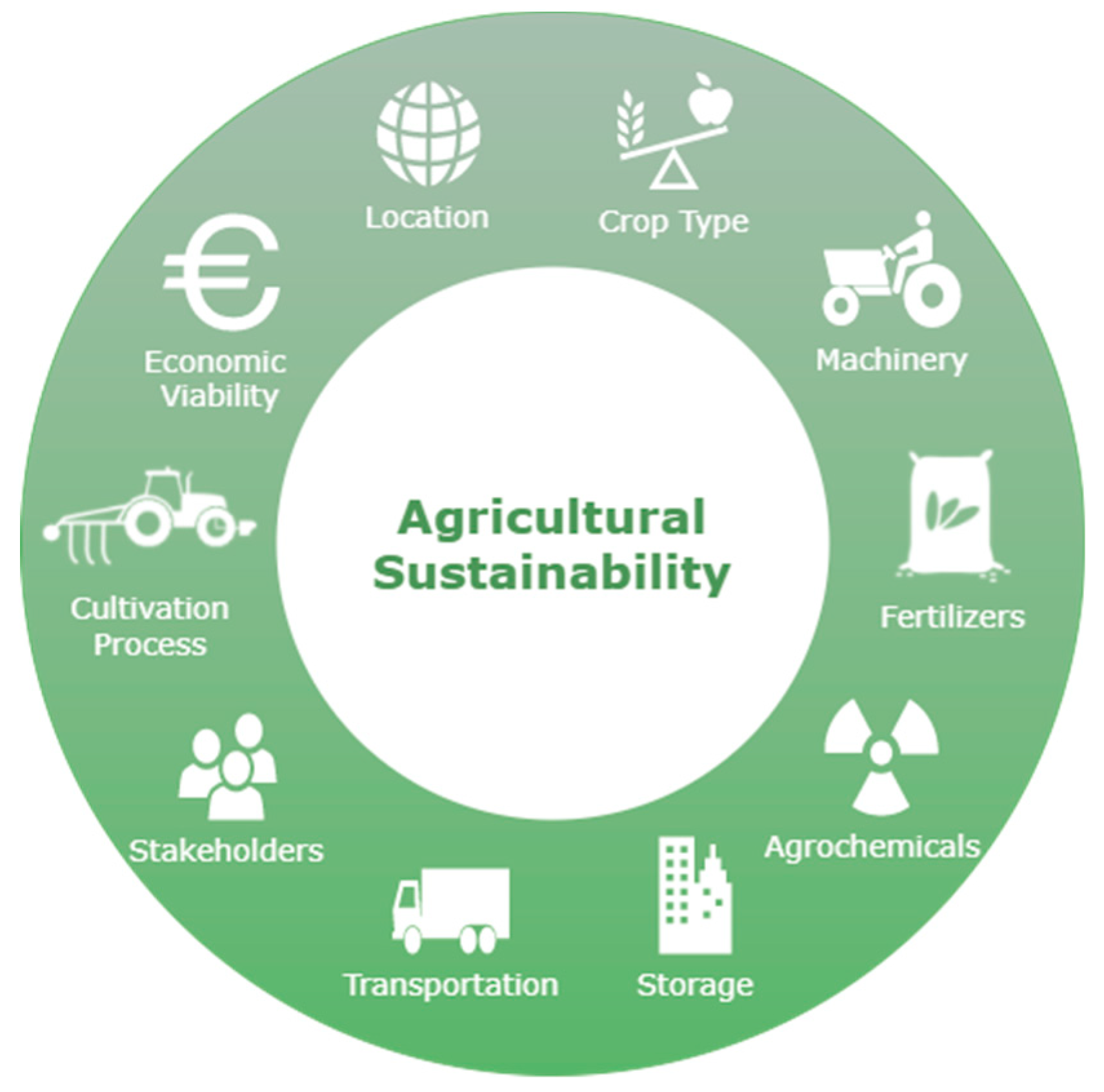
Food security, environmental protection, and economic resilience are three inextricably linked pillars of sustainable farming. Achieving this delicate balance requires a paradigm shift – moving away from resource-intensive, environmentally damaging practices towards regenerative, climate-smart, and socially responsible agricultural systems. This article delves into the key goals of sustainable farming, explores innovative practices that are reshaping the agricultural landscape, and outlines the collective action needed to ensure a food-secure and sustainable future for all.
The Triple Goal Framework: Food Security, Environmental Preservation, and Economic Viability
Sustainable farming strives to achieve a harmonious interplay between three fundamental goals:
1. Food Security: Providing safe, nutritious, and affordable food for a growing global population, while ensuring equitable access for all.
2. Environmental Protection: Minimizing the environmental footprint of agriculture by conserving natural resources (water, soil, biodiversity) and mitigating climate change.
3. Economic Viability: Creating profitable and resilient farming systems that ensure a fair income for farmers and support rural communities.
Navigating the Challenges: Climate Change, Resource Depletion, and Market Volatility
The modern agricultural landscape is confronted by an array of pressing challenges that necessitate a sustainable approach:
Climate Change: Rising global temperatures, changing rainfall patterns, and extreme weather events are directly impacting crop yields, livestock production, and overall agricultural resilience.
Resource Depletion: Excessive use of fertilizers and pesticides degrades soil quality, pollutes water sources, and depletes vital nutrients. Water scarcity is another growing concern, particularly in arid and semi-arid regions.
Market Volatility: Fluctuating food prices, global trade policies, and consumer preferences pose significant economic challenges for farmers, often leading to financial instability and income insecurity.
Innovative Solutions: Embracing Regenerative and Climate-Smart Practices
A growing number of innovative agricultural practices are paving the way towards a more sustainable future:
- Regenerative Agriculture: This holistic approach focuses on restoring and enhancing the natural ecosystems on which agriculture depends. Practices include cover cropping, no-till farming, crop rotation, and rotational grazing, which improve soil health, sequester carbon, and enhance biodiversity.
- Precision Agriculture: Leveraging technology such as drones, sensors, and data analytics to optimize resource use, reduce waste, and improve crop yields. Precise irrigation, targeted fertilizer application, and early pest detection are some key applications.
- Agroforestry: Integrating trees and shrubs into agricultural landscapes, providing multiple benefits such as shade, windbreaks, soil fertility enhancement, and carbon sequestration.
- Vertical Farming: Cultivating crops in vertically stacked layers using controlled environments, minimizing land use and water consumption. This technology is particularly valuable in urban areas.
The Power of Collaboration: Fostering Collective Action for Systemic Change
Transitioning towards sustainable agriculture requires a comprehensive and collaborative approach involving all stakeholders:
Closure
We hope this article has enhanced your understanding of Cultivating a Sustainable Future: Achieving Agricultural Goals in an Era of Change. We appreciate you reading through this article. See you in the next one!.
Cultivating The Future: A Deep Dive Into Sustainable Farming Practices
Cultivating the Future: A Deep Dive into Sustainable Farming Practices
With enthusiasm, let’s navigate through the absorbing topic related to Cultivating the Future: A Deep Dive into Sustainable Farming Practices. We are here to share insightful data and provide a fresh perspective for readers.
Video about Cultivating the Future: A Deep Dive into Sustainable Farming Practices
Cultivating the Future: A Deep Dive into Sustainable Farming Practices
%20+%20Agriculture%20+%20Ecosystems%20pillar_visual%202.png?width=1200u0026height=800u0026name=Cultivating%20the%20Future_%20How%20Regenerative%20Agriculture%20is%20Transforming%20Sustainable%20Farming%20-%20Sustainability%20(2)%20+%20Agriculture%20+%20Ecosystems%20pillar_visual%202.png)
The global food system faces unprecedented challenges. A burgeoning population, climate change, and dwindling natural resources demand a fundamental shift in how we grow our food. Enter sustainable farming, an approach that strives to nourish our planet and people while ensuring agricultural prosperity for future generations. This article delves into the core principles of sustainable farming, exploring its diverse practices and highlighting its vital role in securing a healthier, more equitable food future.
Understanding the Imperative: Defining Sustainable Farming
Sustainable farming transcends the conventional notion of simply producing agricultural goods. It encompasses a holistic philosophy that integrates environmental, social, and economic considerations. At its heart lies the principle of balancing productivity with the preservation of natural resources, fostering biodiversity, and ensuring the well-being of farmers and communities.
Key Pillars of Sustainable Farming
Sustainable farming practices address three interwoven pillars:
Environmental Sustainability:
Protecting and enhancing the health of our ecosystems is paramount. This encompasses practices like:
- Conservation tillage: Minimizing soil disturbance through reduced or no-till farming methods, promoting soil health, water retention, and carbon sequestration.
- Crop rotation: Alternating diverse crops in a field to break pest cycles, improve soil fertility, and reduce reliance on synthetic fertilizers.
- Integrated Pest Management (IPM): Using a combination of biological, cultural, and chemical methods to control pests, minimizing pesticide use and its harmful impacts.
- Water conservation: Implementing efficient irrigation systems, rainwater harvesting, and drought-tolerant crop varieties to conserve precious water resources.
- Biodiversity promotion: Creating habitats for beneficial insects, birds, and other wildlife within and around farms, fostering a resilient and diverse ecosystem.
- Social Sustainability:
Enshrining social equity and fairness within the food system is crucial. Sustainable farming promotes:
- Fair wages and working conditions: Ensuring that farm workers receive fair compensation, safe working conditions, and access to essential services.
- Community engagement: Encouraging collaboration between farmers, consumers, and local communities to build resilient food systems and support local economies.
- Access to healthy food: Promoting fair access to nutritious food for all individuals, regardless of their socioeconomic status.
- Economic Sustainability:
Closure
We hope this article has provided a thorough understanding of Cultivating the Future: A Deep Dive into Sustainable Farming Practices. We appreciate your attention to this article. Stay tuned for more articles!.
Eco-Farming: The Sustainable Solution for a Greener Future.
Discover the benefits of eco farming, a sustainable agricultural practice that protects the environment and promotes healthy food production.
Discover the Best Organic Farms Near Me: Locally Sourced, Sustainable Produce for Healthy Living
Looking for organic farms near me? Find local farms that use sustainable practices and offer fresh, healthy produce. Support your community and the environment!
Discover the Delights of Half Penny Farm: A Bounty of Fresh Produce and a Haven for Rest and Relaxation
Half Penny Farm is a charming B&B nestled in the heart of the English countryside. Enjoy a peaceful getaway and experience rural life at its finest.
5 Reasons Why Green Farm Is the Top Choice for Sustainable Agriculture
Green Farm is a sustainably run farm that produces fresh, organic produce and offers farm-to-table dining experiences. Come taste the difference!
Discover the Authentic Farm Experience at Sonne Farms - Your Ultimate Rural Getaway
Sonne Farms is a family-owned and operated farm that specializes in growing high-quality produce using sustainable and organic practices.
Barking Cow Farms: Unveiling the Eco-friendly Haven for Organic Farming & Sustainable Practices
Barking Cow Farms is a sustainable and ethical farm that produces high-quality dairy products while prioritizing animal welfare and environmental stewardship.
Exploring Occombe Farm: A Unique and Hands-On Farm Experience in South Devon
Occombe Farm is a working organic farm in South Devon with a nature trail, café, and farm shop. Enjoy a fun day out for all the family!
Cultivating A Sustainable Future: Eco-Friendly Farming Solutions
Cultivating a Sustainable Future: Eco-Friendly Farming Solutions
With sheer excitement, we engage in the compelling issue surrounding Cultivating a Sustainable Future: Eco-Friendly Farming Solutions. Together, we’ll weave thoughtful information and fresh perspectives.
Video about Cultivating a Sustainable Future: Eco-Friendly Farming Solutions
Cultivating a Sustainable Future: Eco-Friendly Farming Solutions
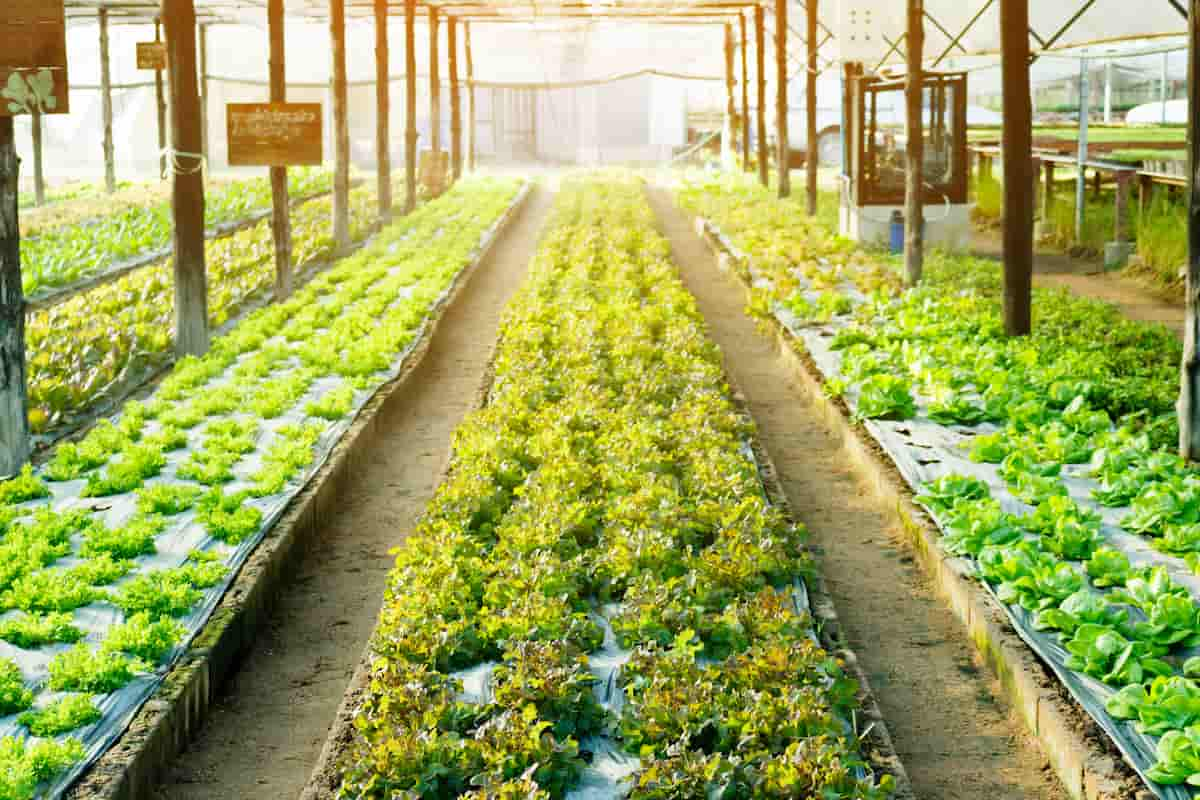
The global food system is facing unprecedented challenges. Population growth, climate change, and the depletion of resources demand innovative and sustainable solutions. Eco-friendly farming, also known as sustainable agriculture, offers a promising path forward by prioritizing environmental health, social equity, and economic viability.
This approach aims to produce food in a way that minimizes negative impacts on the environment and enhances the well-being of farmers and communities. It recognizes that healthy ecosystems are essential for long-term food security and promotes integrated practices that work in harmony with nature.
The Pillars of Eco-Friendly Farming:
Eco-friendly farming encompasses a diverse range of practices, all working towards the common goal of sustainability.
1. Soil Health:
Healthy soil is the bedrock of sustainable agriculture. Eco-friendly farming prioritizes soil health by:
- Minimizing Tillage: Traditional plowing disrupts soil structure, leading to erosion and nutrient loss. Conservation tillage practices, like no-till farming, reduce soil disturbance, preserving its structure and promoting microbial activity.
- Cover Cropping: Planting cover crops, such as legumes or grasses, during fallow periods protects soil from erosion, suppresses weeds, and adds organic matter, improving fertility.
- Crop Rotation: Rotating crops with different nutrient requirements helps to balance soil nutrient levels, reduce pest pressure, and improve soil structure.
2. Water Conservation:
Water is a precious resource, and efficient irrigation is crucial for sustainable agriculture. Eco-friendly farming implements various water-saving techniques:
- Precision Irrigation: Utilizing technologies like drip irrigation and sensors to deliver water directly to plant roots, minimizing waste and evaporation.
- Rainwater Harvesting: Capturing and storing rainwater for later use in irrigation, reducing reliance on groundwater and minimizing runoff.
- Mulching: Applying organic mulches like straw or wood chips around crops helps retain soil moisture, reducing evaporation and the need for irrigation.
3. Biodiversity and Ecosystem Services:
Eco-friendly farming embraces biodiversity and its benefits for agricultural systems.
- Agroforestry: Integrating trees into farmland enhances biodiversity, improves soil fertility, provides windbreaks, and sequesters carbon.
- Habitat Restoration: Creating pollinator habitats and wildlife corridors within and around farmland supports beneficial insects, pollinators, and other wildlife, contributing to ecosystem health.
- Integrated Pest Management (IPM): Using a combination of cultural, biological, and chemical controls to manage pests in a sustainable manner, minimizing reliance on synthetic pesticides.
4. Renewable Energy:
Transitioning to renewable energy sources is crucial for reducing the environmental footprint of agriculture.
- Solar Power: Installing solar panels on farm buildings or land can provide clean energy for irrigation, processing, and other operations.
Closure
Thus, we hope this article has offered insights into Cultivating a Sustainable Future: Eco-Friendly Farming Solutions. We hope you found this information helpful and enriching. Stay tuned for our next article!.
A Sustainable Feast: Rethinking Livestock In The 21st Century
A Sustainable Feast: Rethinking Livestock in the 21st Century
We are eager to share insights into the fascinating concept of A Sustainable Feast: Rethinking Livestock in the 21st Century. We strive to provide unique information and offer new perspectives.
Video about A Sustainable Feast: Rethinking Livestock in the 21st Century
A Sustainable Feast: Rethinking Livestock in the 21st Century

As the global population continues to rise, the demand for meat protein is also increasing. This intensifies the pressure on our current livestock practices, which are often associated with significant environmental impacts. From deforestation and greenhouse gas emissions to water contamination and biodiversity loss, the traditional model of animal agriculture is becoming increasingly unsustainable. But there is hope. A revolution is brewing, fueled by innovative practices and a growing awareness of the interconnectedness of our food systems with the environment.
This article explores the challenges and opportunities surrounding sustainable livestock practices, examining how we can feed a growing world without compromising the health of our planet.
The Environmental Footprint of Conventional Livestock
The consequences of conventional livestock farming are undeniable and far-reaching. Land use is a major concern, as vast tracts of forest are cleared to create pastures and grow feed crops, leading to habitat loss and biodiversity decline.
Climate change is another critical issue. Livestock, particularly cattle, are major contributors to greenhouse gas emissions.
Methane, a potent greenhouse gas, is released through enteric fermentation (the digestive process of cows) and manure management. Nitrous oxide, another harmful greenhouse gas, is emitted from fertilizers used in feed crop production.
Water resources are also strained by livestock farming. Large amounts of water are needed to grow feed crops and provide drinking water to animals. Furthermore, manure runoff can contaminate water sources, polluting rivers and lakes.
The Pillars of Sustainable Livestock Systems
Moving towards a more sustainable future for livestock requires addressing these environmental challenges through a multifaceted approach. Key pillars of sustainable livestock practices include:
- Efficient Feed Use: Reducing feed waste and improving dietary efficiency are crucial for minimizing both land use and greenhouse gas emissions.
Nutritional advancements, including precision feeding based on individual animal needs, can further enhance feed utilization.
- Manure Management: Manure, a valuable resource when managed properly, can be utilized for generating renewable energy (biogas), fertilizing crops, and improving soil health. Advanced composting and anaerobic digestion technologies can minimize nutrient runoff and greenhouse gas emissions.
- Rotational Grazing:
Instead of continuous grazing, rotating livestock across different pastures allows the land to recover and regenerate, promoting soil health, biodiversity, and carbon sequestration.
- Animal Welfare: Happy and healthy animals are more productive and resilient.
Implementing humane practices, providing adequate space and enrichment, and reducing stress can contribute to improved animal welfare and, consequently, more sustainable production systems.
- Breeding for Sustainability: Genetic selection programs can prioritize traits that contribute to sustainability, such as improved feed conversion efficiency, disease resistance, and reduced methane production.
- Reduced Antibiotic Use: Overuse of antibiotics in livestock contributes to the development of antibiotic resistance, a global health threat. Implementing strict disease prevention and management strategies, alongside alternative treatments, is essential for reducing antibiotic reliance.
Regenerative Agriculture: Adopting principles of regenerative agriculture, such as cover cropping and agroforestry, can enhance soil health, sequester carbon, and create more resilient and productive agricultural landscapes.
Innovative Solutions: Shaping the Future of Livestock
Closure
We hope this article has illuminated key insights about A Sustainable Feast: Rethinking Livestock in the 21st Century. We are grateful for your attention. See you next time!.
Beyond The Bag: Exploring Sustainable Fertilizer Alternatives For Modern Farms
Beyond the Bag: Exploring Sustainable Fertilizer Alternatives for Modern Farms
This exciting moment allows us to explore new dimensions of the engaging theme of Beyond the Bag: Exploring Sustainable Fertilizer Alternatives for Modern Farms. We aim to bring insightful facts and offer different angles to the readers.
Video about Beyond the Bag: Exploring Sustainable Fertilizer Alternatives for Modern Farms
Beyond the Bag: Exploring Sustainable Fertilizer Alternatives for Modern Farms
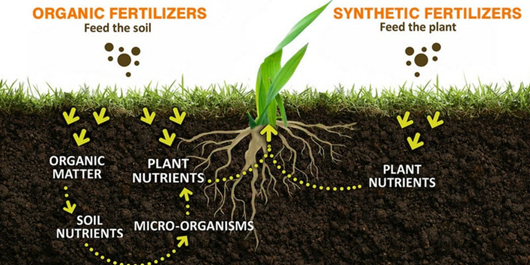
For centuries, farmers have relied on chemical fertilizers to boost crop yields and enhance soil fertility. While these synthetic fertilizers have undoubtedly revolutionized agriculture, their environmental and economic drawbacks have spurred a growing movement towards more sustainable practices. Alternative fertilizers, derived from natural sources and employing innovative technologies, are gaining traction as viable solutions to meet the world’s food demands while safeguarding the planet.
This article delves into the realm of fertilizer alternatives, exploring their benefits, challenges, and potential to revolutionize modern farming.
The Imperative for Change: Unveiling the Downside of Synthetic Fertilizers
The widespread use of synthetic fertilizers, often comprised of nitrogen, phosphorus, and potassium, has had a profound impact on global food production. They offer quick-acting results, readily absorbed by plants, and are highly effective in boosting yields. However, their environmental footprint is a cause for serious concern.
- Nitrogen Pollution: Excess nitrogen, a key component of synthetic fertilizers, leaches into waterways, contaminating water sources, causing algal blooms, and disrupting aquatic ecosystems.
- Greenhouse Gas Emissions: The production of synthetic fertilizers is energy-intensive, releasing significant amounts of greenhouse gases, primarily nitrous oxide, a potent contributor to climate change.
- Soil Degradation: Over-reliance on synthetic fertilizers can lead to soil acidification, nutrient imbalances, and reduced microbial activity, ultimately degrading soil health and fertility in the long run.
- Economic Concerns: The volatile prices of fossil fuels used in synthetic fertilizer production pose a constant threat to farmers’ profitability, making it a risky investment.
Nature’s Palette: Exploring Organic and Natural Fertilizers
Switching from synthetic to organic and natural fertilizers presents a viable path towards sustainable agriculture. These alternatives replenish soil health, minimize environmental impact, and nurture ecosystems.
- Compost: The king of organic fertilizers, compost is a rich blend of decomposed organic matter, teeming with beneficial microbes that enhance soil fertility and structure.
- Manure: Animal waste, properly composted, provides a valuable source of nutrients and organic matter. It improves soil structure, water retention, and promotes microbial activity.
- Bone Meal & Blood Meal: These readily available animal byproducts are high in phosphorus and nitrogen, respectively, providing essential nutrients for plant growth.
- Biofertilizers: These living microorganisms, like nitrogen-fixing bacteria and mycorrhizae fungi, colonize plant roots, enhancing nutrient uptake, promoting disease resistance, and improving soil health.
- Vermicast: Worm castings, the excrement of earthworms, are highly nutrient-rich and promote beneficial microbe activity, creating a healthy and fertile soil environment.
Innovations in Sustainable Fertilizers: Harnessing Technology for the Future
Beyond traditional organic fertilizers, advancements in technology are ushering in a new era of sustainable nutrient management:
- Slow-Release Fertilizers: These fertilizers gradually release nutrients over time, minimizing nutrient losses and promoting efficient uptake by plants.
- Encapsulated Fertilizers: Nutrients are encased in protective coatings, delivering them precisely to plant roots, reducing environmental runoff, and improving nutrient use efficiency.
- Precision Fertilization: Utilizing data and sensors, farmers can precisely target fertilizer applications based on specific plant needs and soil conditions, minimizing waste and maximizing efficiency.
Challenges and Considerations:
While fertilizer alternatives offer a promising path towards sustainable agriculture, their adoption faces certain challenges:
Closure
Thus, we trust this article has given you important insights into Beyond the Bag: Exploring Sustainable Fertilizer Alternatives for Modern Farms. We hope this content was both informative and helpful. Stay tuned for the next article!.
Discover the Best Farmshop Delights: Fresh Produce and Artisanal Goods
Discover the freshest produce and artisanal goods at Farmshop. From farm-to-table dining to curated gift baskets, we've got you covered.
Subscribe to:
Posts (Atom)
Beyond The Bag: Exploring Sustainable Fertilizer Alternatives For Modern Farms
Beyond the Bag: Exploring Sustainable Fertilizer Alternatives for Modern Farms This exciting moment allows us to explore new dimensions of t...
-
Beyond the Bag: Exploring Sustainable Fertilizer Alternatives for Modern Farms This exciting moment allows us to explore new dimensions of t...
-
Cultivating a Sustainable Future: Achieving Agricultural Goals in an Era of Change With a sharp focus, we critically examine the captivating...
-
Growing Upward: The Rise of Indoor Farming Technology It is a privilege to walk through the details of the compelling theme of Growing Upwar...


