Urban agriculture is the practice of growing food in cities, promoting sustainable living and community development.
Showing posts sorted by relevance for query Urban. Sort by date Show all posts
Showing posts sorted by relevance for query Urban. Sort by date Show all posts

The Advantages and Benefits of Urban Farming for Sustainable Living
Urban farming is the practice of growing and harvesting food in urban areas. Learn about its benefits, challenges, and how to start your own garden.
5 Tips for Successful Urban Gardening: How to Grow Your Own Vegetables and Herbs in the City
Discover the benefits of urban gardening! Grow your own produce, create green spaces and improve air quality in your city. Start today.
From Concrete Jungle To Green Oasis: Success Stories Of Urban Farming
From Concrete Jungle to Green Oasis: Success Stories of Urban Farming
On this day, we set forth to learn more about the exciting subject of From Concrete Jungle to Green Oasis: Success Stories of Urban Farming. We are ready to share meaningful information and offer unique viewpoints.
Video about From Concrete Jungle to Green Oasis: Success Stories of Urban Farming
From Concrete Jungle to Green Oasis: Success Stories of Urban Farming

The concrete jungle is transforming, with pockets of green springing up where asphalt and steel once dominated. Urban farming, a movement that cultivates food in cities, is flourishing, offering a wealth of benefits for individuals, communities, and the environment. As sustainability concerns grow and food insecurity becomes increasingly prevalent, urban farming emerges as a promising solution, fueled by innovation, community spirit, and a growing demand for local, fresh produce.
The Rise of the Urban Gardener:
The reasons behind the urban farming boom are multifaceted.
1. Food Access and Security: Many cities grapple with "food deserts," areas lacking access to affordable, healthy food. Urban farming tackles this issue by bringing fresh produce directly to communities, reducing reliance on long, often carbon-intensive, supply chains.
2. Environmental Benefits: Urban farms mitigate the ecological footprint of food production. They reduce transportation emissions, contribute to green infrastructure by absorbing CO2, managing stormwater runoff, and promoting biodiversity.
3. Community Building: Urban farms often function as community hubs, fostering social connections, promoting education, and empowering residents. They offer opportunities for shared learning, volunteerism, and collective action.
4. Economic Opportunity: Urban farming can stimulate local economies by creating jobs in agriculture, food processing, and distribution. Moreover, it supports small-scale entrepreneurship and strengthens local food systems.
Success Stories Across the Globe:
Numerous urban farming initiatives have emerged worldwide, demonstrating the viability and impact of bringing agriculture to the city.
1. Detroit, USA: Growing a Green Legacy:
Detroit, once known for its industrial decline, is experiencing a renaissance through urban agriculture. Organizations like the Detroit Urban Farming Initiative have transformed vacant lots into thriving community gardens, providing fresh food, job training, and educational programs.
2. Singapore: Vertical Farming Pioneers: Facing land scarcity, Singapore pioneered vertical farming, an innovative technique that utilizes stacked layers to cultivate crops in controlled environments. Companies like Sky Greens and Sustenir Agriculture are producing a wide range of leafy greens, herbs, and fruit year-round, demonstrating the potential of vertical farming to overcome geographical limitations.
3. Rio de Janeiro, Brazil: Bringing Food to the Favela:
In Rio de Janeiro’s favelas, where access to healthy food is often limited, projects like the Amaro Soteldo Community Farm have empowered residents to cultivate their own food. Through collective gardening, residents gain access to fresh produce, build community resilience, and develop valuable skills.
4. London, UK: "Growing Underground" Takes Root:
In the basement of a former railway depot, Growing Underground cultivates salads and herbs in a state-of-the-art vertical farm. Light is provided by LED panels, and the farm uses up to 95 percent less water than traditional agriculture. This innovative approach highlights the potential for urban farming to thrive even in densely populated cities.
5. Paris, France: Rooftop Green Hubs: Paris is incorporating urban agriculture into its urban fabric. Rooftop gardens like the "City Farm" in the 13th arrondissement provide space for growing vegetables, flowers, and fruits while offering educational workshops and community events.
Overcoming Challenges:
While urban farming offers numerous benefits, it also faces significant challenges.
1. Limited Space: Finding suitable space for urban farms is a recurring hurdle. Many cities have limited vacant land. Innovative solutions include utilizing rooftops, vertical farming structures, and repurposed industrial spaces.
2. Soil Contamination: Urban soil can be contaminated with pollutants and heavy metals, making it unsuitable for growing food. Solutions include employing raised beds, using hydroponics or aquaponics systems, and implementing soil remediation techniques.
3. Funding and Resources: Urban farming projects often require initial financial investment and ongoing maintenance. Obtaining funding, accessing resources, and securing reliable water supplies can be challenging.
4. Legal and Regulatory Barriers: Zoning regulations and building codes in some cities may not accommodate urban farming practices. Advocacy and policy changes are needed to create a supportive legal framework for urban agriculture.
Cultivating a Sustainable Future:
Despite these challenges, the success stories of urban farming inspire hope for a more sustainable future. Urban farms are not simply about growing food; they are about building resilient communities, creating green spaces, and reconnecting people with nature.
As the demand for local, sustainable food continues to grow, urban farming will undoubtedly play an increasingly important role in feeding cities and transforming our urban landscapes. By embracing innovation, collaboration, and a commitment to social justice, we can cultivate a future where cities are not only centers of commerce and culture but also vibrant ecosystems that nourish both people and planet.
Closure
We trust this article has enriched your knowledge about From Concrete Jungle to Green Oasis: Success Stories of Urban Farming. We are thankful for your interest in our content. Until the next article!.
Revolutionizing Urban Agriculture: City Farm – Your Ultimate Guide to Sustainable City Living
City Farm is a community-run urban farm that provides fresh, locally grown produce and educational opportunities for all ages. Join us today!
Growing Greens In Grey Spaces: A Look At Innovative Urban Farming Ideas
Growing Greens in Grey Spaces: A Look at Innovative Urban Farming Ideas
We are overjoyed to immerse ourselves in the captivating topic related to Growing Greens in Grey Spaces: A Look at Innovative Urban Farming Ideas. Let’s share thoughtful ideas and provide new outlooks for the readers.
Video about Growing Greens in Grey Spaces: A Look at Innovative Urban Farming Ideas
Growing Greens in Grey Spaces: A Look at Innovative Urban Farming Ideas

Modern cities, teeming with concrete and steel, often seem worlds away from rolling fields and bountiful harvests. Yet, amidst the urban sprawl, a green revolution is quietly taking root. Urban farming, the practice of cultivating, processing, and distributing food in and around cities, is blossoming into a powerful force, nourishing both communities and the environment. This resurgence of agricultural practice within urban landscapes offers a plethora of innovative solutions to address food security, promote sustainability, and revitalize urban spaces.
From Rooftop Gardens to Vertical Farms:
Urban farmers are increasingly turning to unconventional spaces to cultivate their crops. Rooftops, balconies, and even vacant lots are being transformed into vibrant gardens, transforming urban deserts into pockets of green.
Rooftop Farming: Leafy greens, herbs, and even fruits like strawberries thrive in rooftop gardens, utilizing otherwise unused space. These gardens not only provide fresh produce but also act as natural insulators, reducing energy consumption within buildings.
Vertical Farming: This innovative technique utilizes vertical space to maximize yield. Plants are grown in stacked layers, with controlled environments offering optimal lighting, temperature, and humidity. Vertical farms are particularly suited for urban areas, as they require minimal land and can be integrated into existing structures.
Container Gardening: Tomatoes, peppers, and even small trees can flourish in containers, making it an accessible option for residents with limited outdoor space.
Community Gardens: Seeds of Collaboration:
Community gardens stand as testaments to the power of shared resources and collective effort. These urban green spaces bring people together, fostering a sense of community and providing access to fresh produce for residents of all backgrounds.
- Public Park Plots: Many cities allocate specific areas within public parks for community gardens. These shared spaces offer residents a place to connect, learn about gardening, and cultivate their own food.
- Urban Farms and Community Hubs: Organizations are establishing urban farms that function as hubs for learning, food sharing, and community building. These farms often offer workshops, volunteer opportunities, and affordable produce through farmers markets or CSA (Community Supported Agriculture) programs.
Aquaponics: Fish and Food in Harmony:
Aquaponics, a sustainable system that combines aquaculture (fish farming) with hydroponics (growing plants in water), is gaining traction in urban settings. Fish waste provides nutrients for the plants, which in turn purify the water for the fish, creating a symbiotic relationship.
- Urban Aquaponics Systems: Small-scale aquaponics systems can be set up in homes, schools, or community centers, offering a unique and eco-friendly way to produce both fish and vegetables.
Technology-Driven Urban Farming:
Technology is playing an increasingly important role in revolutionizing urban agriculture. From automated irrigation systems to sensor-based monitoring, technology is helping farmers optimize yields, conserve resources, and manage their operations efficiently.
- Smart Irrigation Systems: These systems utilize sensors and data analysis to deliver precise amounts of water to plants, reducing waste and promoting efficient water usage.
Closure
Thus, we hope this article has been informative about Growing Greens in Grey Spaces: A Look at Innovative Urban Farming Ideas. We appreciate your attention and interest. Stay tuned for more!.
Reaching New Heights: Rooftop Farming Innovations Transforming Urban Landscapes
Reaching New Heights: Rooftop Farming Innovations Transforming Urban Landscapes
We are invigorated to explore the depths of the engaging issue related to Reaching New Heights: Rooftop Farming Innovations Transforming Urban Landscapes. Let’s offer new information and provide readers with fresh insights.
Video about Reaching New Heights: Rooftop Farming Innovations Transforming Urban Landscapes
Reaching New Heights: Rooftop Farming Innovations Transforming Urban Landscapes

As urban populations swell and food security concerns mount, innovative solutions for sustainable agriculture are becoming increasingly vital. Enter rooftop farming, a practice that transforms unused urban spaces into fertile ground, offering a promising path towards localized food production and a greener future.
This article delves into the exciting world of rooftop farming, exploring the latest innovations that are driving its growth and unlocking its full potential to revitalize cities and nourish communities.
The Rise of Urban Agriculture: The story of rooftop farming is inextricably linked to the rapid growth of cities. Urban sprawl, coupled with climate change and increasing demand for fresh produce, has fueled a movement towards vertical farming and other innovative agricultural techniques. Rooftops, long seen as spaces for air circulation and aesthetic appeal, are now recognized as valuable real estate for growing food, offering a multitude of benefits.
Harnessing the Power of Sunlight: One of the most significant advantages of rooftop farming lies in its ability to harness the power of the sun. Whether glazed solariums or open-air platforms, rooftops provide ample sunlight, essential for photosynthesis and optimal crop growth. Smart technologies are further optimizing sun exposure, with adjustable shade structures and solar-powered irrigation systems, ensuring efficient water use and maximized yield.
Innovations in Growing Media and Techniques: Rooftop farming breaks away from traditional soil-based agriculture, embracing innovative growing media and techniques optimized for urban environments.
- Vertical Farming: Taking advantage of limited space, vertical farming techniques like hydroponics, aquaponics, and aeroponics cultivate crops in stacked layers, often indoors, maximizing space and yield.
- Lightweight & Durable Materials: Modern rooftop farming utilizes lightweight and durable materials like composite wood, recycled plastics, and lightweight aggregates, minimizing structural strain on buildings while ensuring longevity.
- Automated Irrigation Systems:Smart irrigation systems, incorporating sensors and weather data, precisely deliver the optimal amount of water to each plant, conserving resources and preventing overwatering.
- Precision Nutrient Delivery: Hydroponic and aeroponic systems offer precise control over nutrient delivery, ensuring optimal plant health and maximizing yield while minimizing waste.
Climate Control and Greenhouses:
Creating the ideal growing environment for year-round production requires sophisticated climate control systems.
- Controlled Environment Agriculture (CEA): Utilizing LEDs, ventilation systems, and climate-regulation technology, CEA enables year-round growth of delicate crops that struggle in traditional outdoor settings.
- Greenhouses with Smart Glazing: Advanced greenhouses with automated shading and heating/cooling systems are being deployed on rooftops, creating microclimates that protect crops from extreme weather conditions.
Beyond Food: Expanding the Role of Rooftop Gardens: While food production remains the primary focus, rooftop farming initiatives are evolving beyond agriculture.
Urban Oasis and Biodiversity: Rooftop gardens are increasingly designed to support biodiversity, attracting pollinators and creating urban habitats for various species.
Stormwater Management: Green roofs, integrated into rooftop farming systems, act as sponges, absorbing rainwater and reducing runoff, mitigating stormwater flooding and improving urban water management.
Energy Efficiency: Heavy vegetation on rooftop gardens can provide insulation, reducing energy consumption for heating and cooling in buildings, contributing to sustainable urban development.
Closure
We hope this article has provided a thorough understanding of Reaching New Heights: Rooftop Farming Innovations Transforming Urban Landscapes. We appreciate your attention to this article. Stay tuned for more articles!.
Revolutionizing Agriculture: How Future Farming is Transforming the Industry
Discover the latest advancements and trends in Future Farming, from precision agriculture to sustainable practices. Prepare for a greener tomorrow.
Revolutionizing Agriculture with Vertical Farming: The Solution to Sustainable and Efficient Food Production
Vertical Farming is a sustainable solution to urban food production. Grow crops in a controlled environment with minimal water and land use.
The Rise Of The Local Farm: Cultivating Community And Sustainability In The USA
The Rise of the Local Farm: Cultivating Community and Sustainability in the USA
With an inquisitive mindset, we dive into the exciting subject of The Rise of the Local Farm: Cultivating Community and Sustainability in the USA. Our mission is to provide fascinating information and present a fresh point of view.
Video about The Rise of the Local Farm: Cultivating Community and Sustainability in the USA
The Rise of the Local Farm: Cultivating Community and Sustainability in the USA
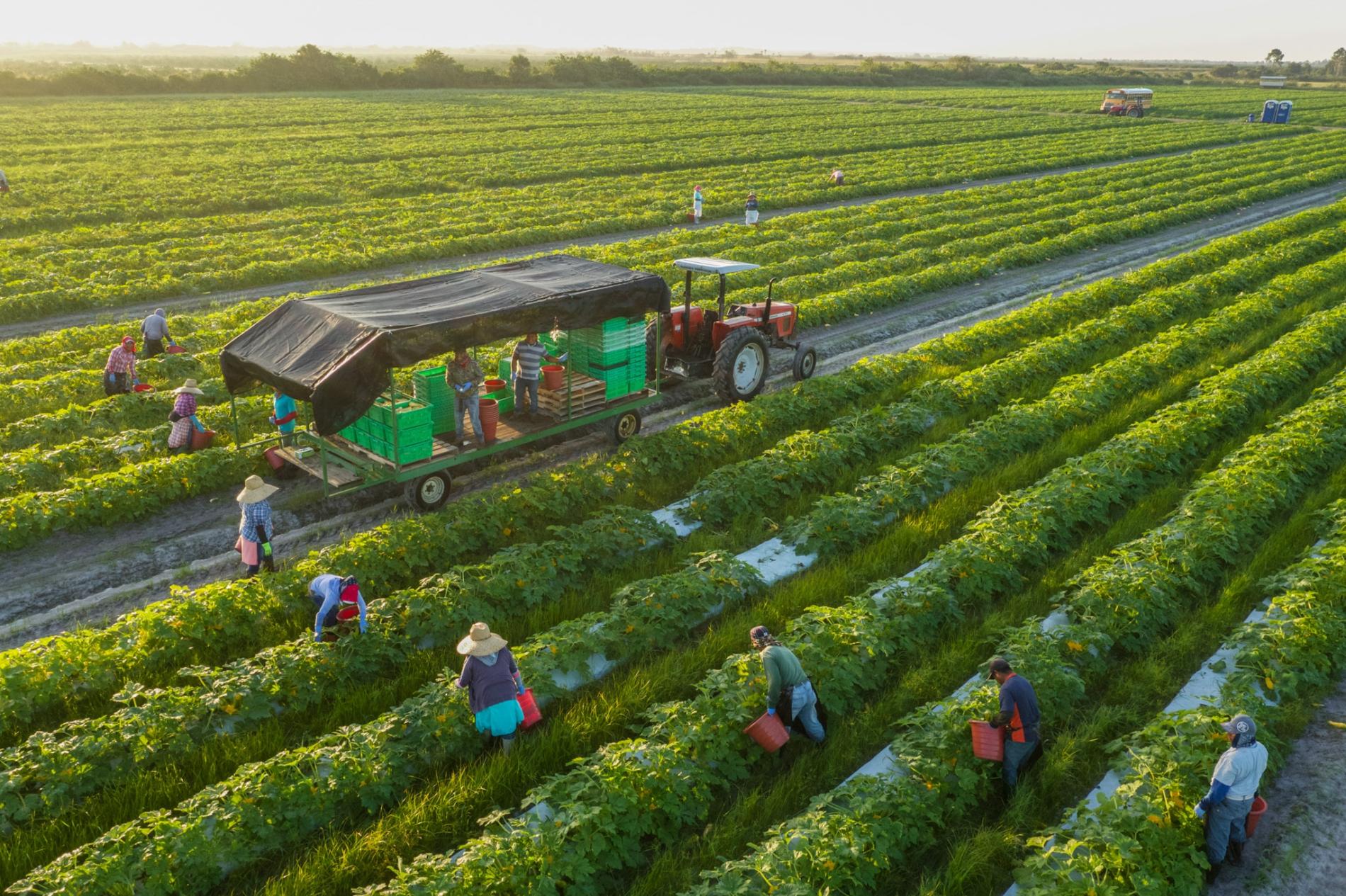
Across the vast expanse of the United States, a quiet revolution is taking root. It’s a movement rooted in soil, nourished by community, and fueled by a growing desire for sustainable living. This is the story of local farming initiatives, a blossoming network of farmers markets, community gardens, and farm-to-table restaurants, reshaping the agricultural landscape and nourishing communities from sea to shining sea.
From Field to Family Table: The Growing Appeal of Local Food
The surge in popularity of local food isn’t solely driven by a romanticized picture of rural life. It’s a response to a multifaceted need for change. Consumers are increasingly conscious of the environmental impact of industrial agriculture, with its reliance on fossil fuels, heavy pesticide use, and long-distance transportation. They yearn for fresh, flavorful produce, knowing exactly where it came from and how it was grown. Locally-sourced food often boasts a superior taste, riper at harvest and less time spent in transit, which translates to greater nutritional value.
Furthermore, local farms provide a vital economic boost to communities. Money spent at farmers markets and farm stands stays within the local economy, supporting farmers, artisans, and ancillary businesses. This creates jobs, strengthens community ties, and fosters a sense of self-reliance.
Transforming Landscape: Diverse Approaches to Local Farming
The tapestry of local farming initiatives is woven with diverse threads, each contributing to the vibrant whole.
Farmers Markets: A vibrant heartbeat of many towns and cities, farmers markets showcase the bounty of local farms, offering a direct connection between producer and consumer. From bustling Saturday morning markets to smaller, community-driven events, these spaces foster a sense of camaraderie and showcase the diversity of local produce.
Community Supported Agriculture (CSA): This model builds vibrant relationships between farmers and consumers. With a CSA subscription, individuals or families receive a regular share of the farm’s harvest throughout the growing season. It provides farmers with upfront capital and guarantees a market for their produce, while subscribers enjoy fresh, seasonal food and a deeper connection to their food sources.
Urban Farming: Urban green spaces are undergoing a transformation, becoming fertile grounds for urban farms and community gardens. Rooted in dense city environments, these initiatives tackle food insecurity, promote access to fresh produce, and create green oases amidst concrete jungles.
Farm-to-Table Restaurants: Elevating the culinary experience, farm-to-table restaurants prioritize sourcing ingredients directly from local farms. This emphasis on fresh, seasonal produce creates dishes bursting with flavor while supporting local farmers and fostering a sustainable food system.
Agritourism: Connecting consumers with the farm experience, agritourism ventures offer a glimpse into the world of agriculture. From pumpkin patches to farm tours to picking-your-own berries, these initiatives provide educational opportunities and strengthen the relationship between consumers and their food sources.
Overcoming Challenges: Building a Sustainable Future for Local Farming
While the movement towards local farming is gaining momentum, several challenges remain.
Land Access: Securing affordable land for farming, particularly in urban and suburban areas, is a significant obstacle. Innovative solutions like community land trusts and urban farming initiatives are tackling this challenge, reclaiming underutilized spaces for agricultural purposes.
Closure
We hope this article has shed some light on The Rise of the Local Farm: Cultivating Community and Sustainability in the USA. We appreciate your time in reading this article. See you in the next article!.
Aeroponic Farming: The Future of Sustainable and High-Yield Agriculture
Aeroponic farming is a soil-free method of growing crops that uses mist to deliver nutrients and water directly to the plant roots.
Revolutionizing Agriculture: The Benefits of Indoor Farming for Sustainable Food Production
Indoor farming is revolutionizing agriculture by providing fresh, sustainable produce year-round. Discover the benefits and techniques of this innovative practice.
Unlock the Potential of Agricultural Land: A Comprehensive Guide on Farming Techniques and Sustainable Practices
Agricultural Land: Vital resource for food production. Must be preserved, protected and sustainably managed to ensure food security.
Discover the Adorable Charm of Mini Moo Cows: A Guide to Keeping and Caring for these Miniature Cattle Breeds
Mini Moo Cows are adorable small-sized cattle breed, perfect for small farms or as pets. Discover their compact size and gentle temperament here!
Experience a Unique Farm Stay in the Heart of Nature at Farm In The City
Experience farm life in the heart of the city at Farm In The City! Get up close and personal with animals, feed them and have a fun-filled day!
Ditch The Drought: Embracing Smart Irrigation Systems For A Greener Future
Ditch the Drought: Embracing Smart Irrigation Systems for a Greener Future
We are invigorated to explore the depths of the exciting topic related to Ditch the Drought: Embracing Smart Irrigation Systems for a Greener Future. Let’s craft thoughtful insights and offer fresh perspectives.
Video about Ditch the Drought: Embracing Smart Irrigation Systems for a Greener Future
Ditch the Drought: Embracing Smart Irrigation Systems for a Greener Future

Water is life. It’s a simple truth that resonates across every corner of our planet. Yet, with growing populations and the looming threat of climate change, reliable access to clean water is becoming increasingly precarious. This is especially true in the domain of agriculture, where water scarcity poses a significant challenge to food security.
In this context, smart irrigation systems have emerged as a beacon of hope, offering a technologically advanced solution to optimize water usage and promote sustainable agriculture. These intelligent systems go beyond traditional, often wasteful, watering practices by utilizing data, sensors, and automation to deliver water precisely where and when it’s needed most.
Understanding the Landscape: Traditional vs. Smart Irrigation
Traditional irrigation methods, often relying on fixed schedules and generalized estimates, frequently result in overwatering or underwatering, leading to inefficiencies and wasted water. Factors like soil type, weather conditions, plant needs, and even neighboring structures can influence water requirements, making a one-size-fits-all approach unsustainable.
Smart irrigation systems disrupt this paradigm by leveraging a suite of technologies to deliver water with pinpoint accuracy. They incorporate:
- Soil moisture sensors: These strategically placed sensors measure the water content in the soil, providing real-time feedback on the plant’s immediate needs.
- Weather stations: These stations collect data on rainfall, temperature, humidity, and wind speed, allowing the system to adjust watering schedules based on current and forecasted conditions.
- Evapotranspiration (ET) calculations: This sophisticated technology estimates the amount of water plants lose through transpiration (evaporation from leaves) and evaporation from the soil surface.
Armed with this data, smart irrigation controllers can dynamically adjust watering schedules, duration, and intensity, ensuring each plant receives the optimal amount of water while minimizing waste.
The Benefits of a Smarter Approach: Boosting Efficiency and Sustainability
The advantages of embracing smart irrigation systems are multifaceted, impacting both the environment and the bottom line:
- Water Conservation: Smart irrigation significantly reduces water consumption by eliminating unnecessary watering. This is especially crucial in arid and semi-arid regions facing water stress.
- Increased Crop Yields: Healthy plants thrive with consistent, appropriate watering. By delivering water precisely when needed, smart systems optimize plant growth and ultimately boost crop yields.
- Reduced Fertilizer Runoff: Overwatering can lead to excessive fertilizer leaching into waterways, polluting water sources and harming ecosystems. Smart irrigation minimizes this risk by delivering water efficiently, reducing nutrient runoff.
- Energy Savings: Traditional irrigation systems often rely on pumps that consume significant energy. Smart systems, by adjusting watering cycles, can minimize pump run time, leading to substantial energy savings.
- Cost Reduction: While the initial investment in a smart irrigation system may seem higher compared to traditional methods, the long-term cost savings in water, energy, and fertilizer expenses contribute to a significant return on investment.
- Remote Monitoring and Control: Many smart irrigation systems offer remote access via smartphone apps or web platforms, allowing users to monitor water usage, adjust settings, and receive alerts from anywhere.
Smart Irrigation: Beyond Agriculture
The benefits of smart irrigation extend far beyond farmlands. Urban landscapes, golf courses, parks, and even residential lawns can all benefit from the precision and efficiency of these systems. By implementing smart irrigation in urban areas, communities can significantly reduce their water footprint while maintaining healthy and vibrant green spaces.
Looking Ahead: Future Trends in Smart Irrigation
The field of smart irrigation is constantly evolving, with ongoing advancements pushing the boundaries of efficiency and innovation.
- Artificial Intelligence (AI): AI-powered algorithms are being integrated into smart irrigation systems, enabling even more precise water management based on complex data analysis, real-time weather forecasts, and historical irrigation patterns.
- Internet of Things (IoT): The interconnected nature of the IoT allows smart irrigation systems to communicate with other devices and platforms, such as weather services, soil sensors, and even drones, creating a comprehensive ecosystem for optimized water management.
- Precision Nutrient Delivery: Smart irrigation systems are increasingly being equipped with the ability to deliver fertilizers and other nutrients directly to plant roots, further minimizing waste and maximizing resource utilization.
Closure
We trust this article has been helpful in understanding Ditch the Drought: Embracing Smart Irrigation Systems for a Greener Future. Thank you for giving this article your time. See you in our next piece!.
Locate the Best Cows Near Me: Find High-Quality Livestock in Your Area
Looking for cows near your location? Find the perfect cows for sale or dairy farms near you with Cows Near Me. Browse now and bring home your new bovine friends!
Discover the Best Mini Cow Farms Near You for a Unique Farming Experience
Looking for a mini cow farm near you? Discover the perfect place to experience the joy of miniature cows and explore their adorable world.
Revolutionizing Agriculture: The Benefits and Advantages of Hydroponic Farming
Hydroponic farming is a soilless cultivation method that allows plants to grow in nutrient-rich water, providing a sustainable and efficient way to produce food.
Locate the Best Chicken Farm Near Me for Fresh and Delicious Poultry!
Find a chicken farm near you with fresh and healthy poultry. Get locally sourced eggs, meat, and more from your neighborhood farm.
Subscribe to:
Posts (Atom)
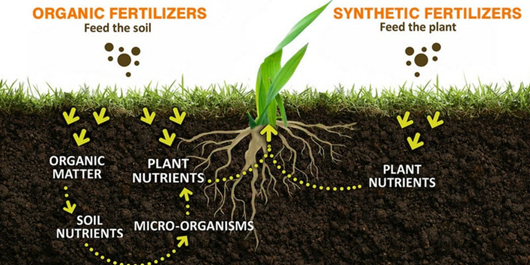
Beyond The Bag: Exploring Sustainable Fertilizer Alternatives For Modern Farms
Beyond the Bag: Exploring Sustainable Fertilizer Alternatives for Modern Farms This exciting moment allows us to explore new dimensions of t...
-
Beyond the Bag: Exploring Sustainable Fertilizer Alternatives for Modern Farms This exciting moment allows us to explore new dimensions of t...
-
Cultivating a Sustainable Future: Achieving Agricultural Goals in an Era of Change With a sharp focus, we critically examine the captivating...
-
Growing Upward: The Rise of Indoor Farming Technology It is a privilege to walk through the details of the compelling theme of Growing Upwar...


